
Vitamin-Based Antioxidants – Vitamins C, E & A for Cellular, Skin & Immune Support
These essential nutrients have complementary roles in antioxidant protection, normal immune function, skin maintenance, collagen formation, and cellular health. Choose from standalone vitamins, mixed antioxidant formulas, and selected multivitamin combinations designed to help meet nutritional requirements.
Whether you're comparing vitamin C for collagen synthesis, vitamin E for cell membrane protection, or vitamin A and beta-carotene for normal vision and epithelial health, discover formulations suited to your daily wellness needs.
Essential antioxidant nutrition for healthy cells, skin, and normal immune function.
ABOUT VITAMIN-BASED ANTIOXIDANTS
Vitamin-based antioxidants are essential nutrients and related compounds involved in protecting cells from oxidative damage and maintaining normal physiological functions.
The main nutrients featured in this collection include:
-
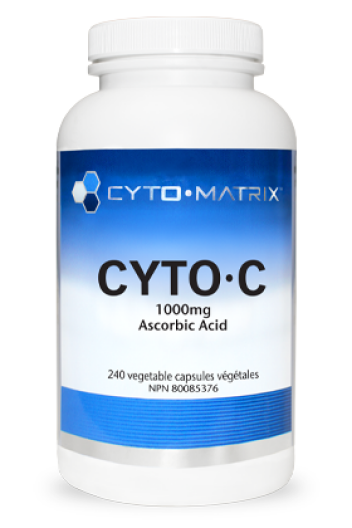
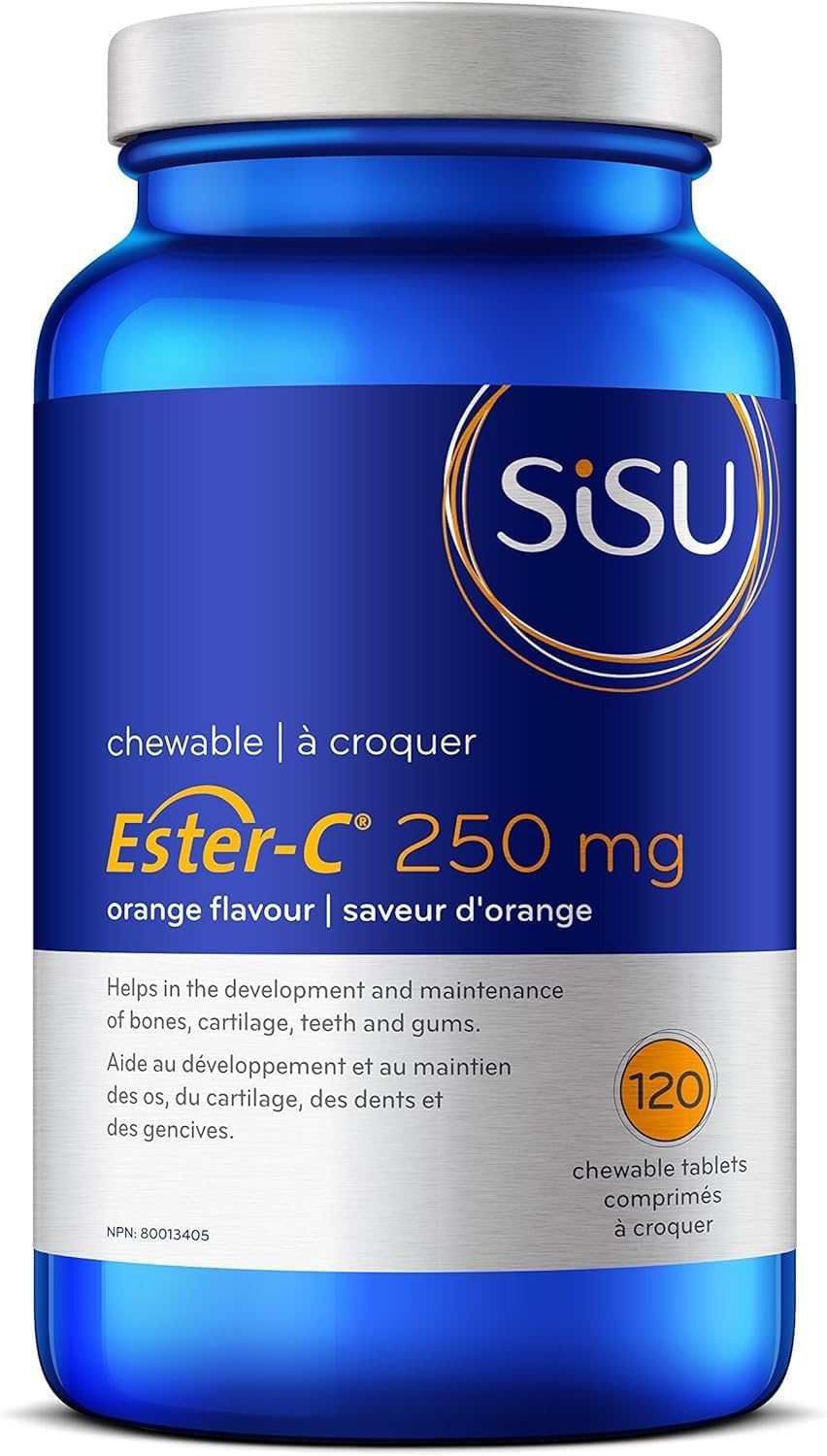
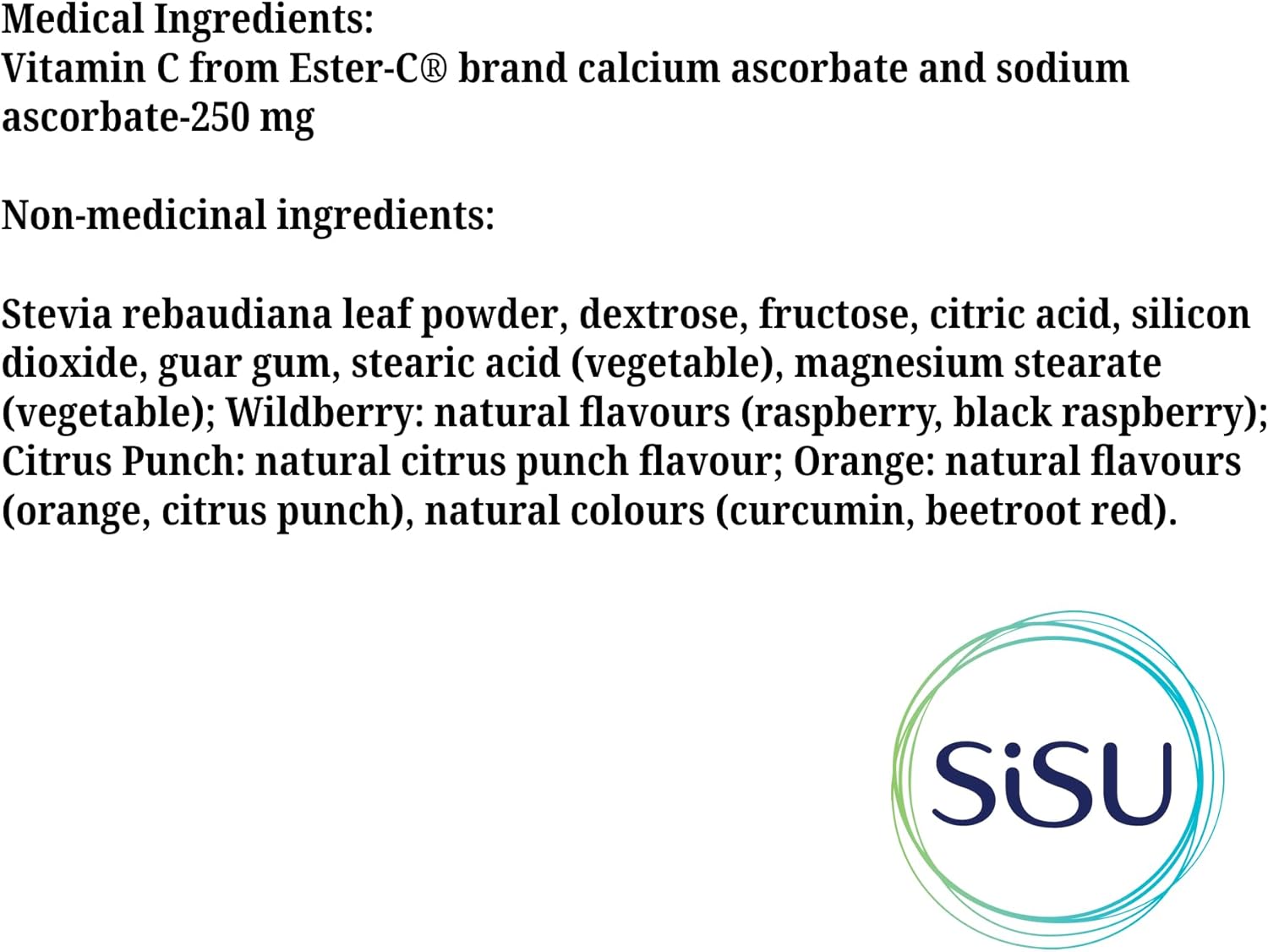
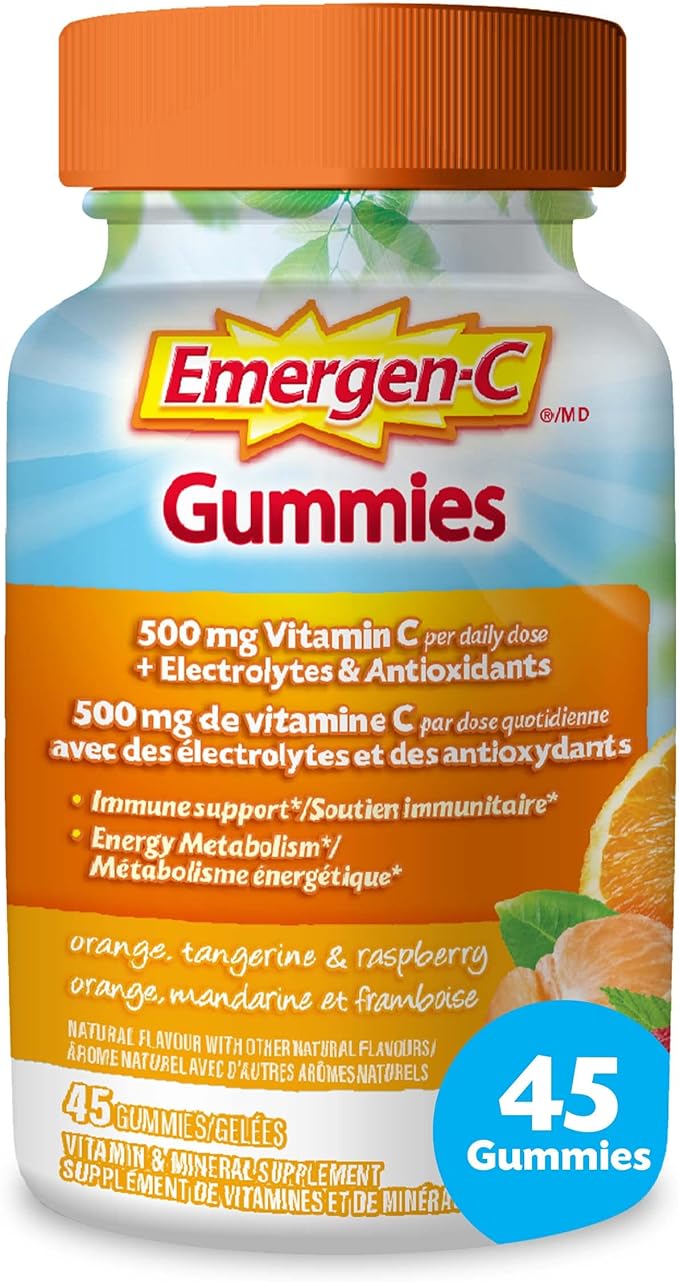
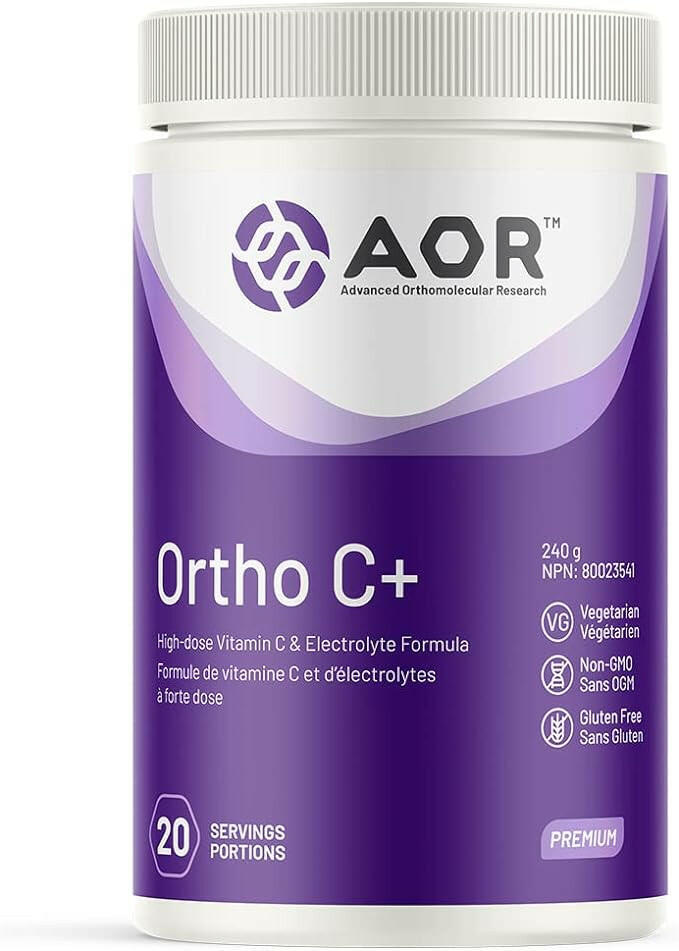
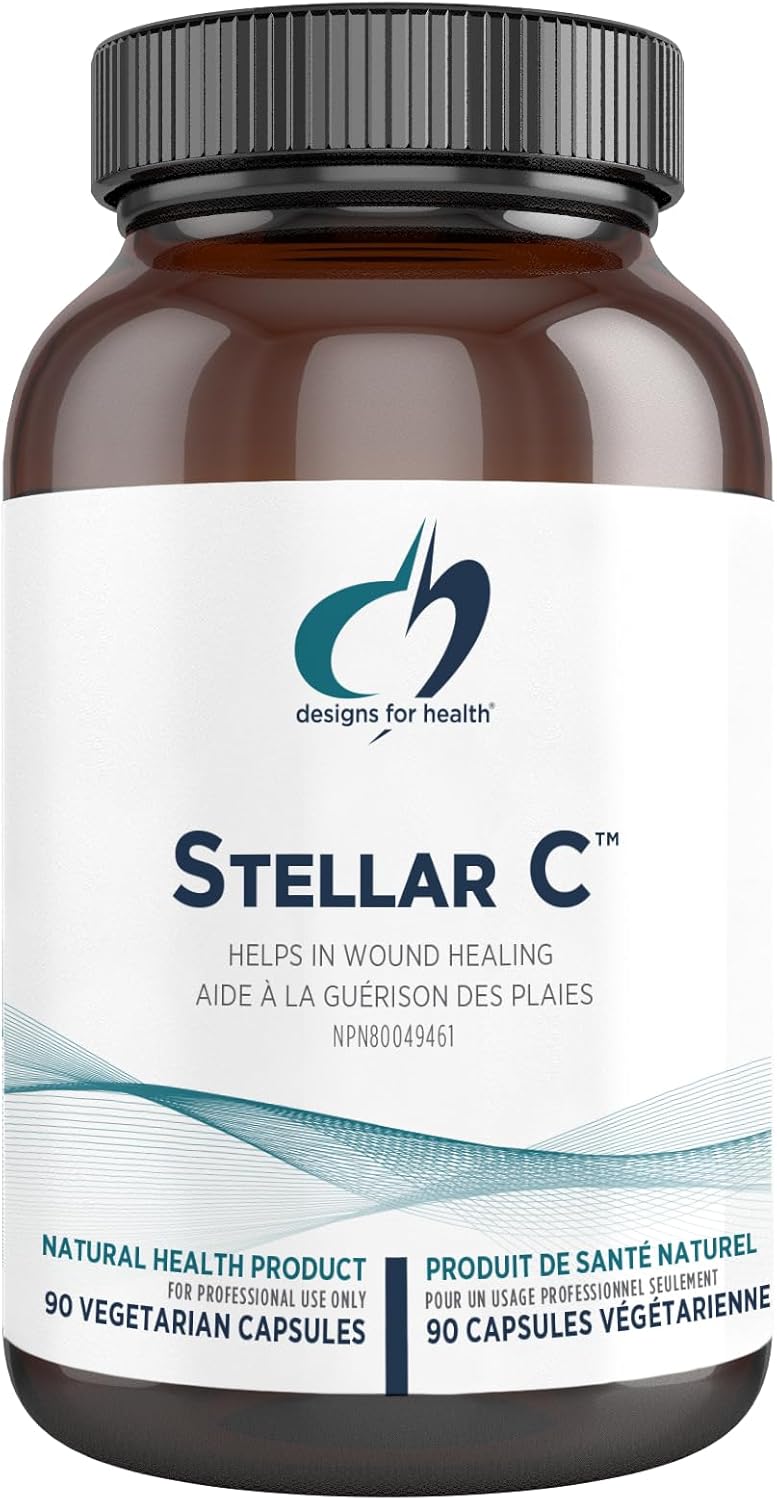
Vitamin C (Ascorbic Acid): A water-soluble antioxidant that contributes to collagen formation, normal immune function, and iron absorption.
-
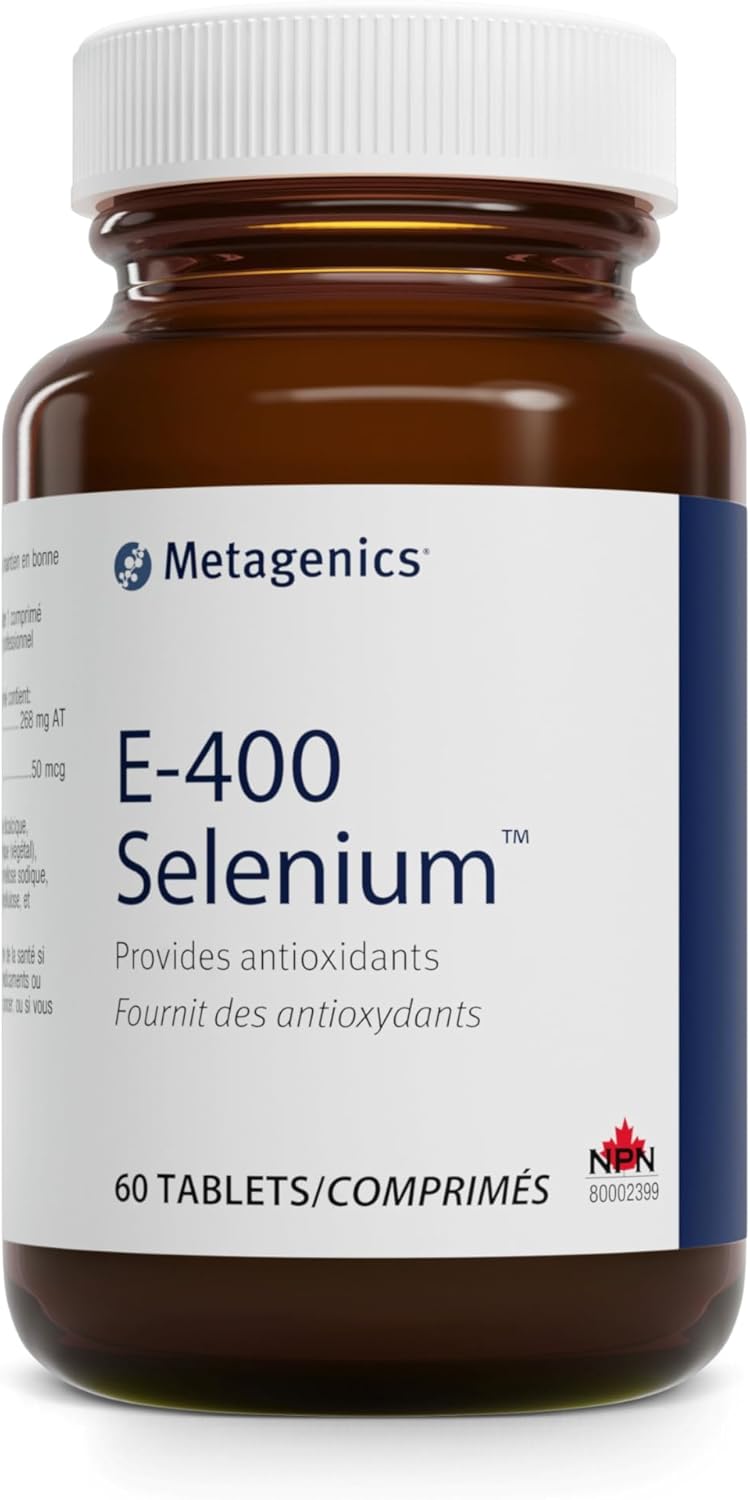
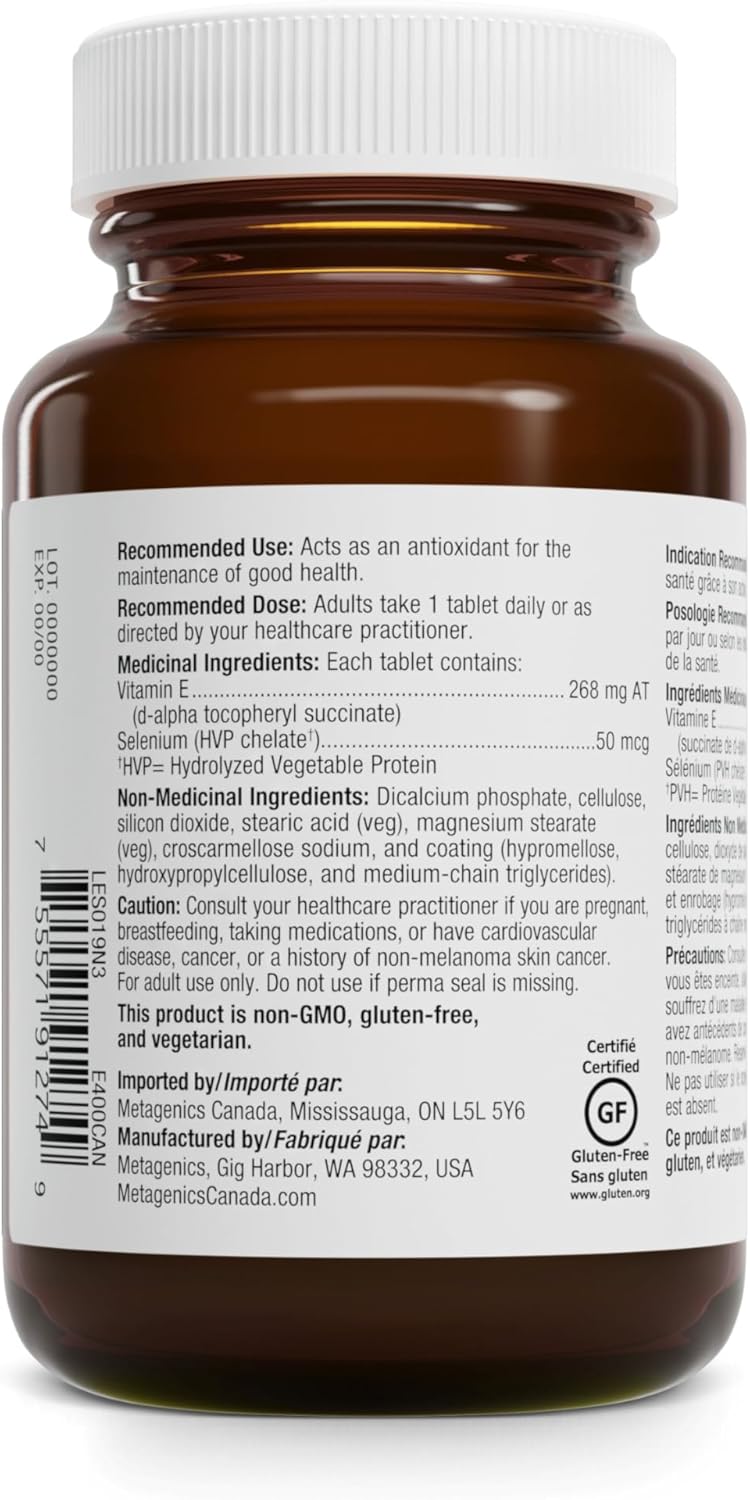
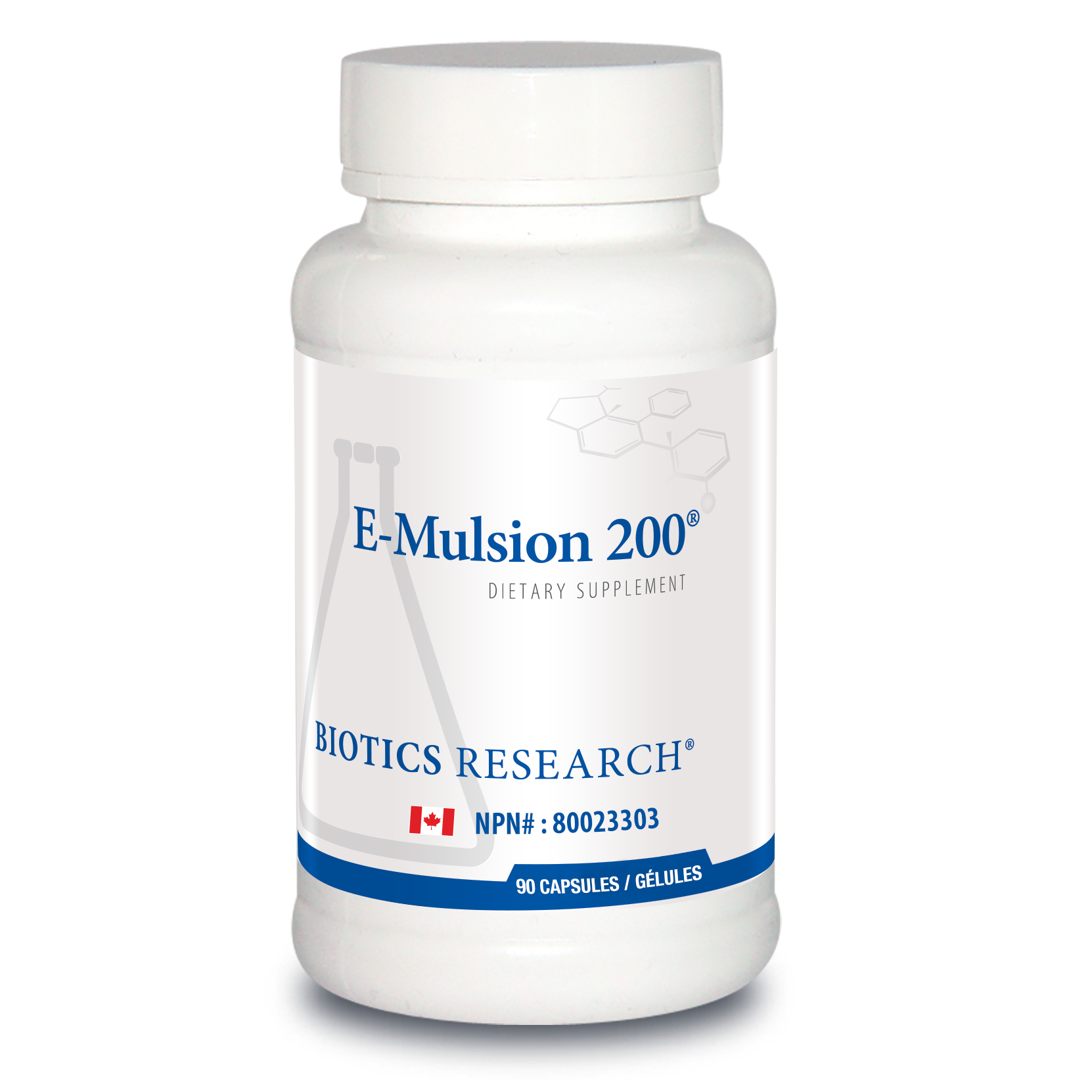
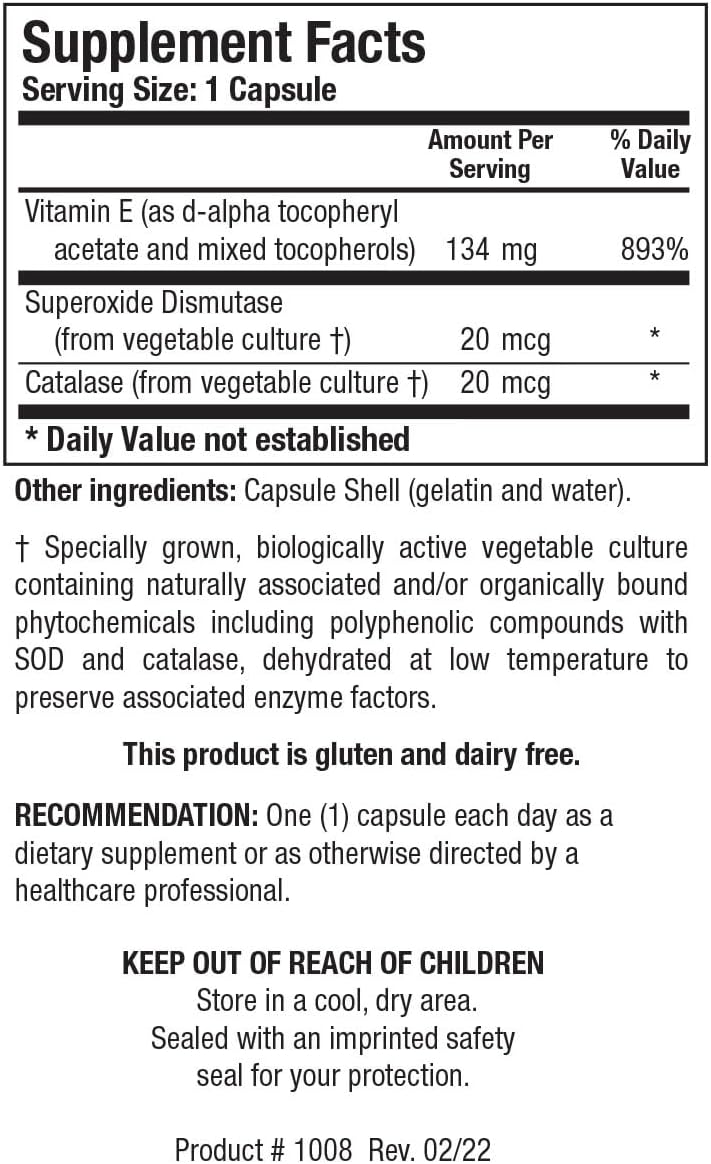
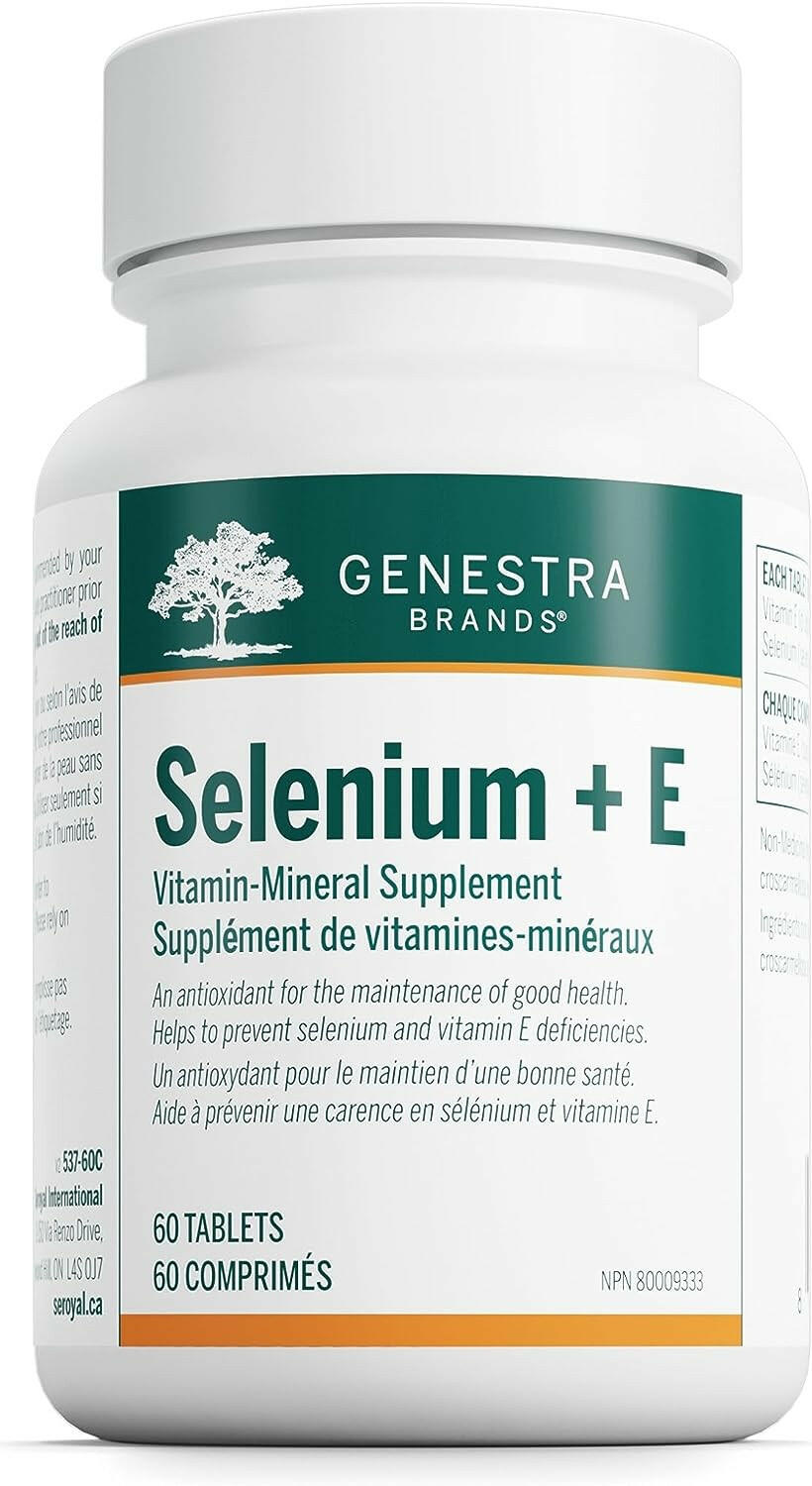
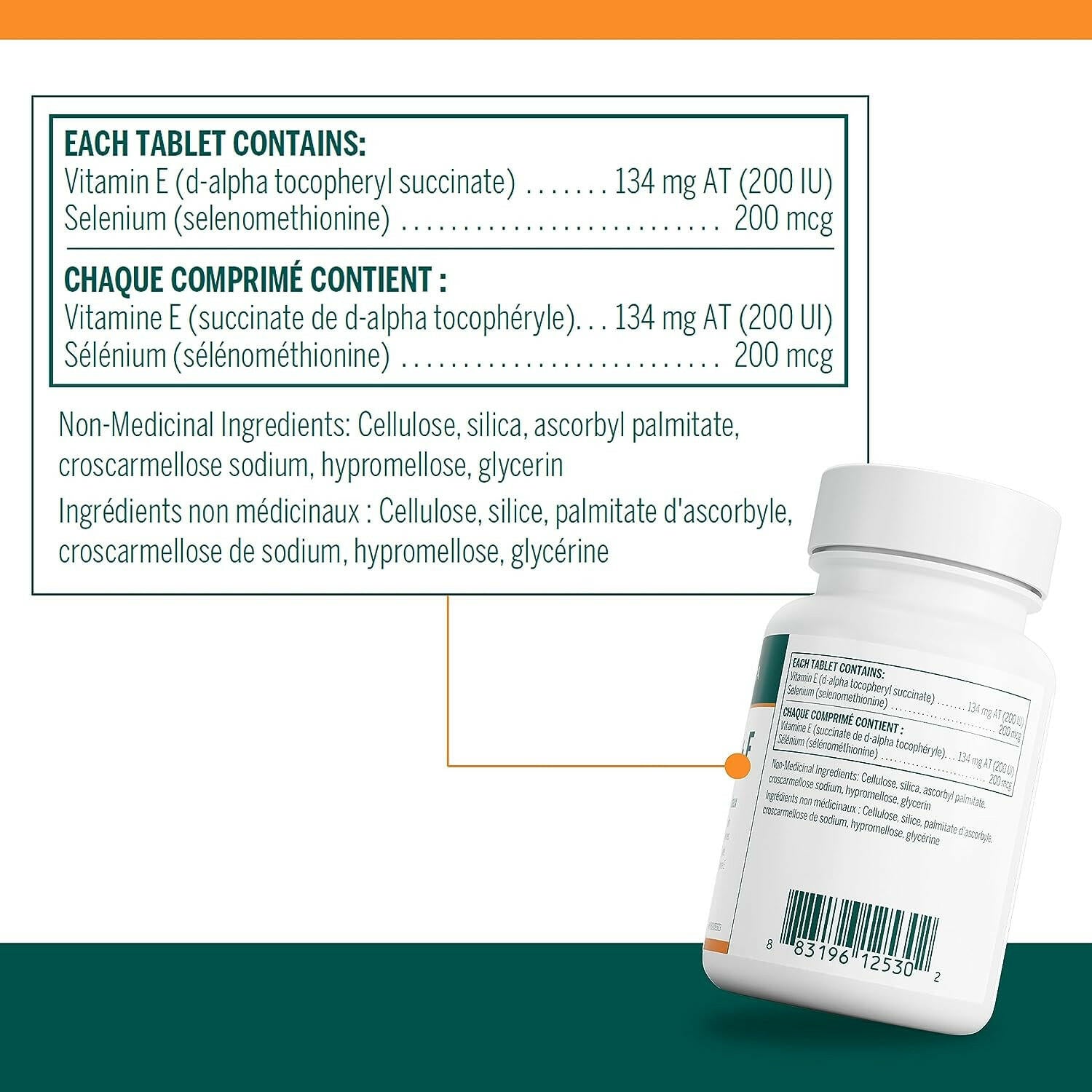
Vitamin E (Alpha-Tocopherol): A fat-soluble antioxidant that helps protect cell membrane lipids against oxidative damage.
-
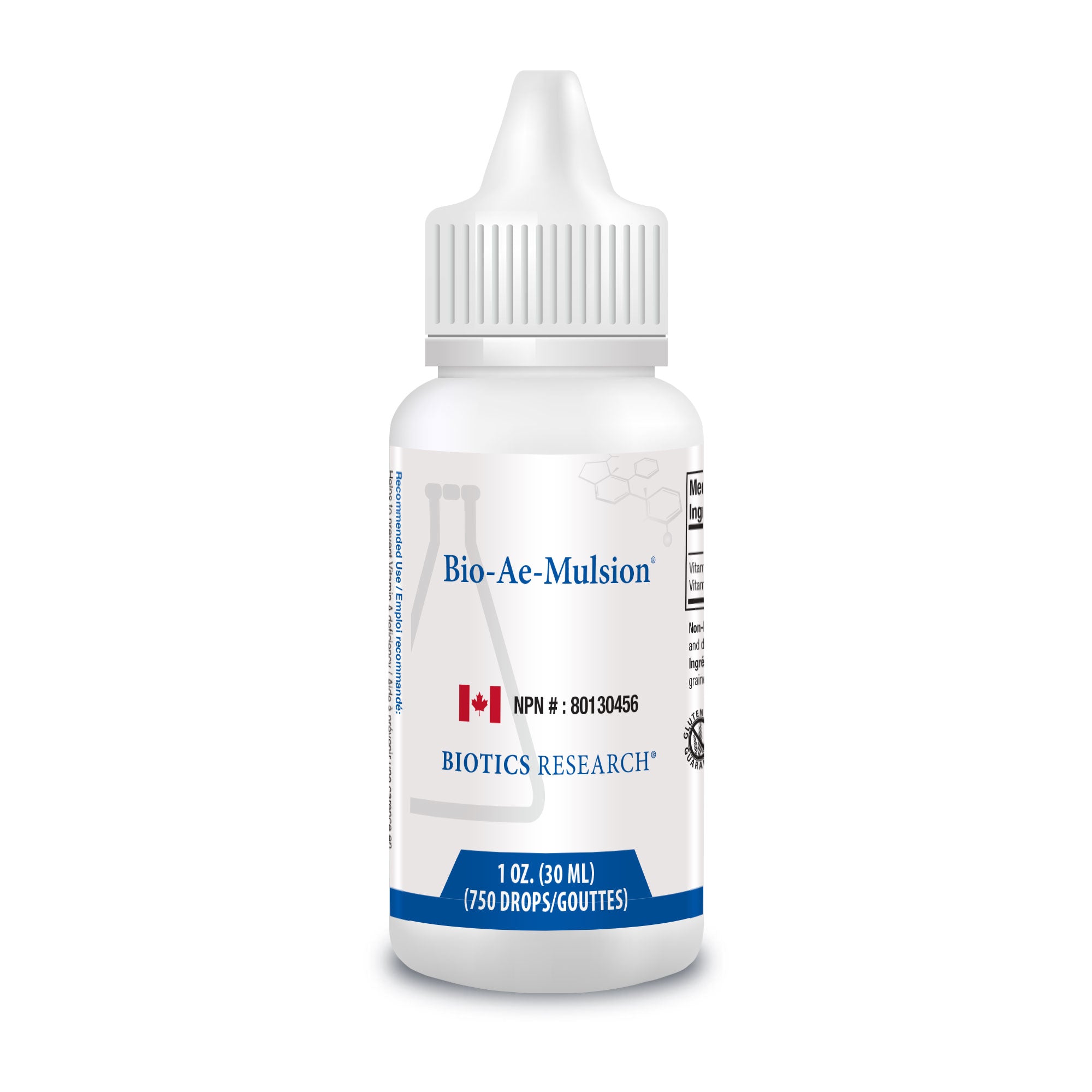
Vitamin A (Retinol & Retinyl Esters): An essential fat-soluble vitamin involved in normal vision, immune function, cellular differentiation, and epithelial tissue maintenance.
-
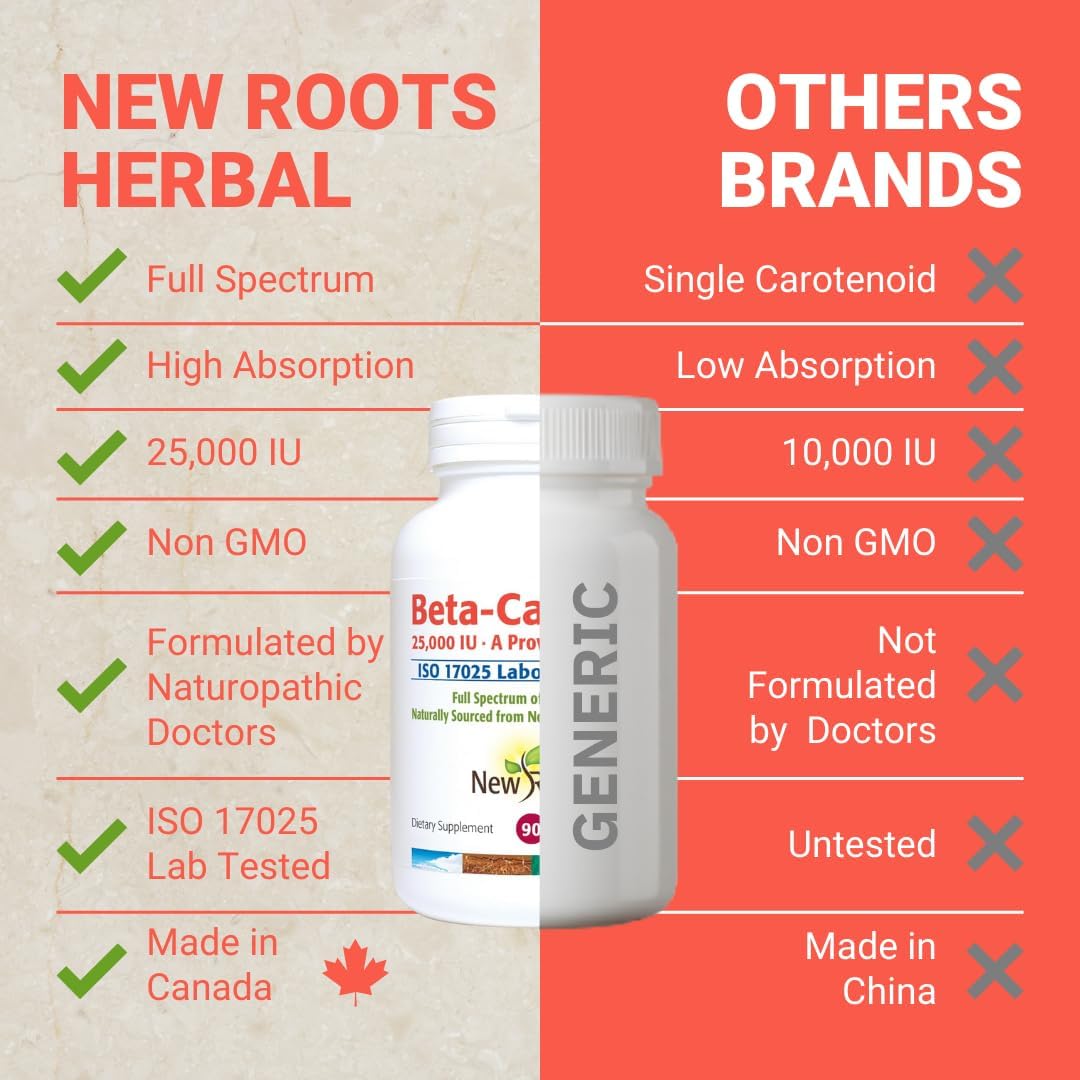
Provitamin A Carotenoids: Plant pigments such as beta-carotene that can contribute vitamin A activity and have antioxidant properties.
Although these compounds support different biological processes, they are frequently included together in antioxidant-focused supplements.
A balanced diet remains the foundation of antioxidant nutrition. Supplements may help address specific nutritional needs but should not be considered substitutes for vegetables, fruits, nuts, seeds, and other nutrient-rich foods.
KEY BENEFITS
-
Antioxidant Protection: Vitamins C and E help protect cellular components from oxidative damage.
-
Immune Function: Vitamins A, C, and E contribute to normal immune system function.
-
Collagen Formation: Vitamin C is required for normal collagen synthesis.
-
Skin Health: Vitamins A and C support normal skin-related physiological processes.
-
Cell Membrane Protection: Vitamin E helps protect lipid-rich cellular membranes.
-
Vision Health: Vitamin A is essential for normal visual function.
-
Iron Absorption: Vitamin C enhances absorption of non-heme iron.
-
Epithelial Tissue Maintenance: Vitamin A supports the normal maintenance of epithelial tissues.
-
Nutritional Adequacy: Appropriate intake helps prevent vitamin deficiencies.
These benefits reflect established nutritional functions. High-dose antioxidant supplementation has not been shown to reliably prevent aging, cardiovascular disease, cancer, or other chronic diseases.
WHO IT'S IDEAL FOR
-
Adults Seeking Antioxidant Nutrition: Customers interested in vitamins involved in normal cellular protection.
-
Individuals With Limited Dietary Variety: People whose diets may provide insufficient amounts of specific vitamins.
-
Customers Supporting Skin Nutrition: Individuals interested in vitamin C, vitamin A, and normal tissue maintenance.
-
Immune Nutrition Shoppers: Customers comparing vitamins A, C, and E.
-
Customers Seeking Combination Formulas: Individuals who prefer multiple antioxidant nutrients in one product.
-
Healthy Aging Shoppers: Adults focused on meeting nutritional requirements throughout life.
-
Customers Comparing Natural Antioxidant Sources: Individuals interested in tocopherols, carotenoids, and vitamin C formulations.
-
People With Identified Nutritional Deficiencies: Individuals following professional recommendations.
WHAT ARE ANTIOXIDANTS?
Understanding Free Radicals
Free radicals are reactive molecules produced during normal metabolism and through exposure to certain environmental factors.
Understanding Oxidative Stress
Oxidative stress occurs when reactive compounds exceed the body's capacity to manage them through normal protective systems.
How Antioxidant Nutrients Work
Different antioxidant nutrients participate in different protective biochemical processes.
Water-Soluble Antioxidants
Vitamin C functions in aqueous environments within the body.
Fat-Soluble Antioxidants
Vitamin E is particularly important in protecting lipid-rich cellular structures.
Antioxidant Networks
Vitamin C and vitamin E participate in interconnected antioxidant-related processes.
Why Balance Matters
Reactive molecules also perform normal biological functions. More antioxidant supplementation is not automatically better.
KEY VITAMIN-BASED ANTIOXIDANTS
1. Vitamin C (Ascorbic Acid)
Vitamin C is an essential water-soluble nutrient with antioxidant activity.
Key Features:
-
Helps protect cells against oxidative damage
-
Required for normal collagen formation
-
Supports normal immune function
-
Enhances non-heme iron absorption
-
Available in multiple formulations
Common Forms:
-
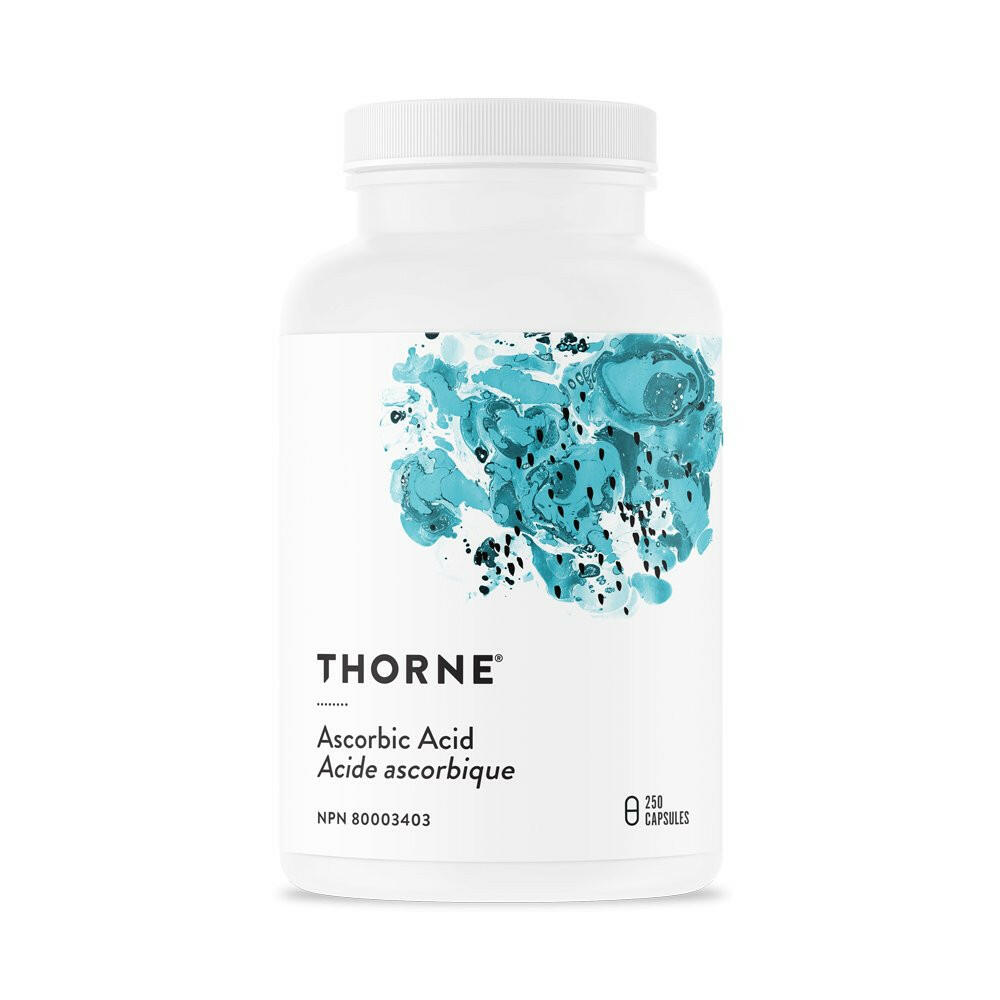
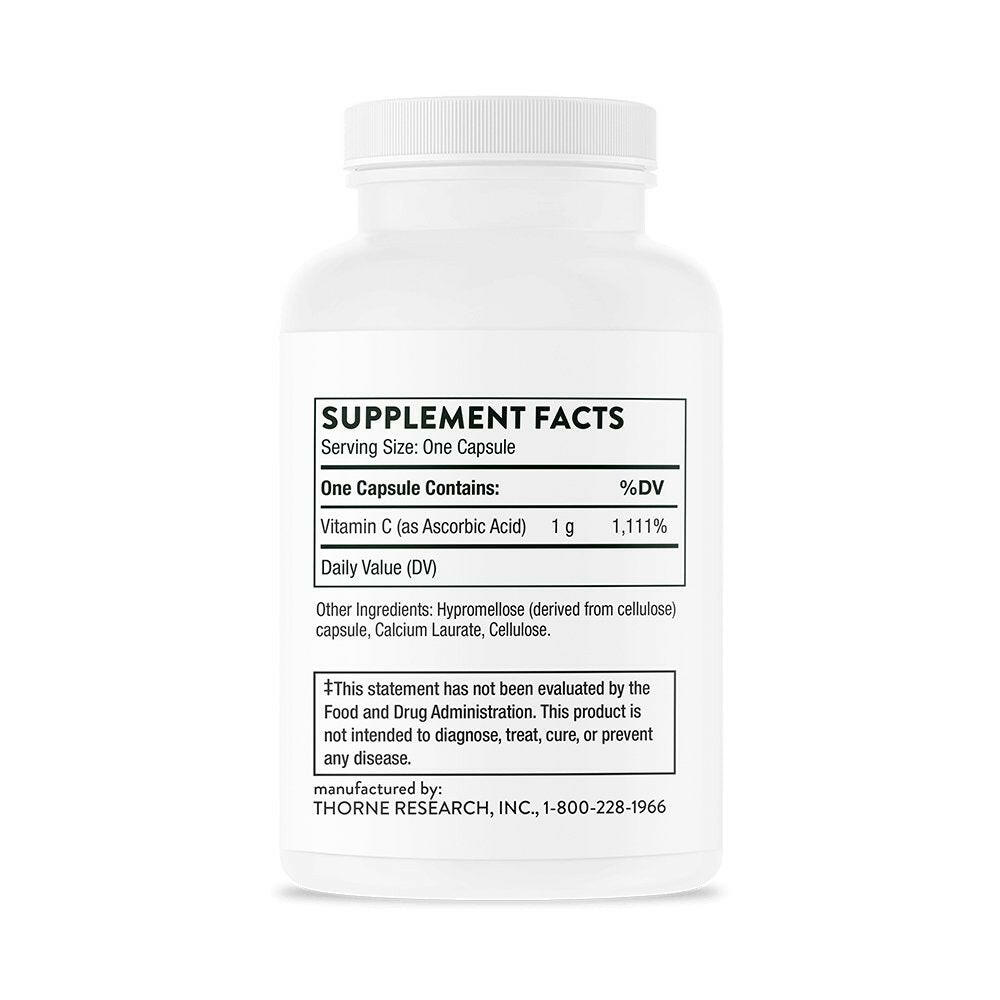
Ascorbic acid
-
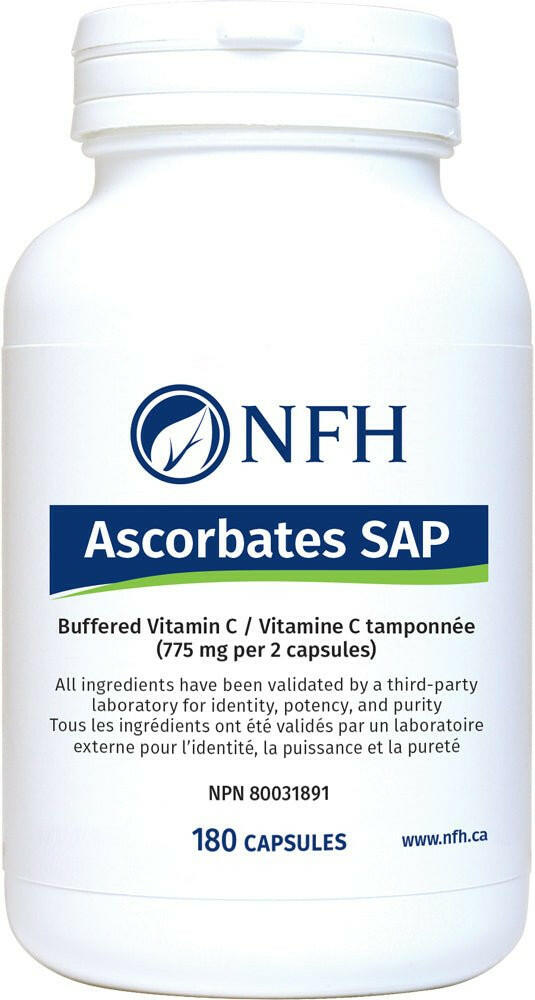
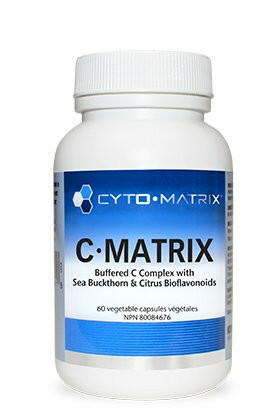
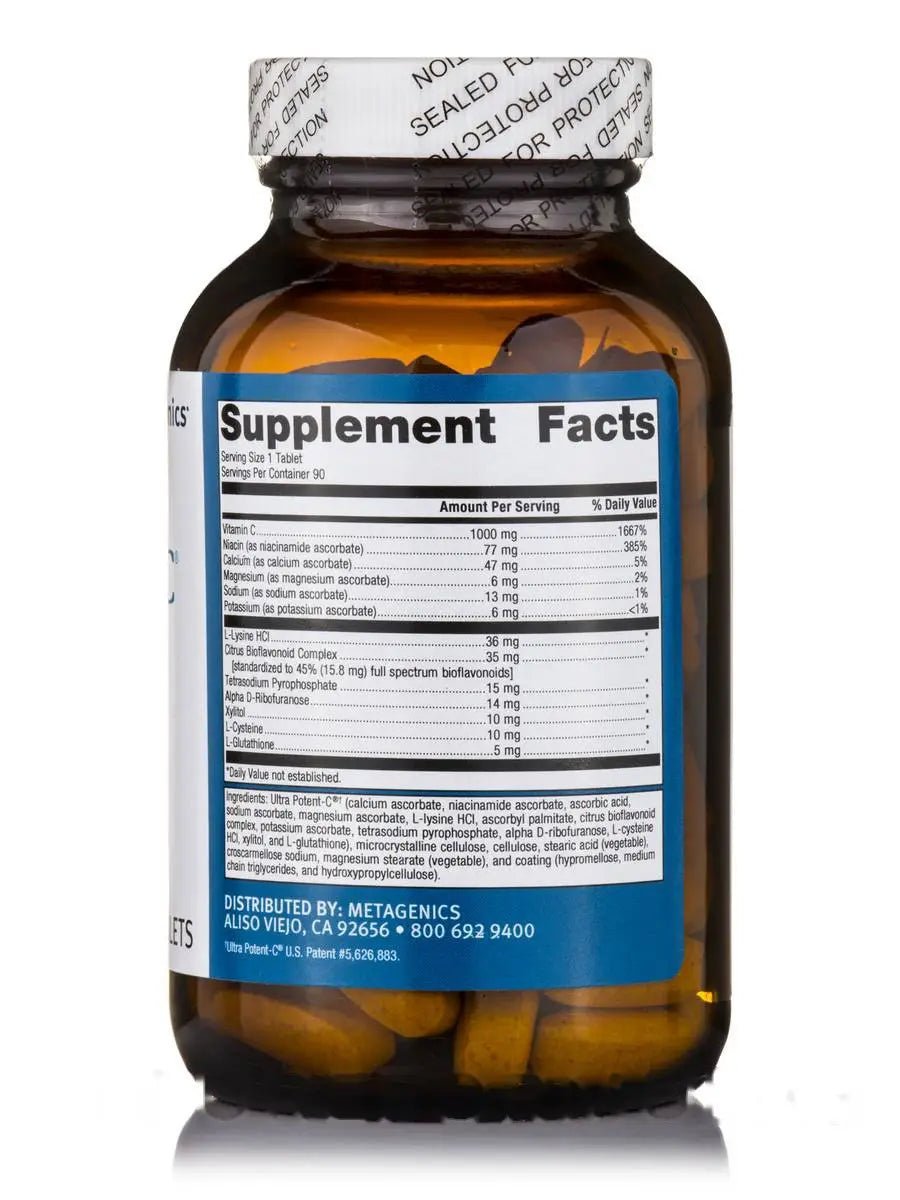
Buffered vitamin C
-
Calcium ascorbate
-
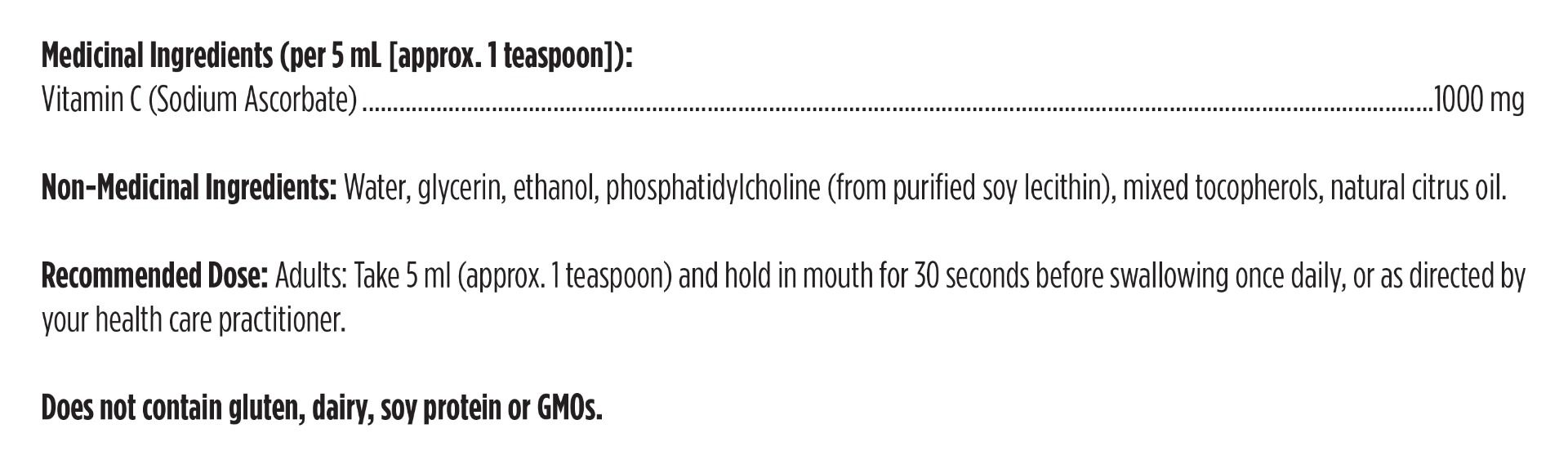
Sodium ascorbate
-
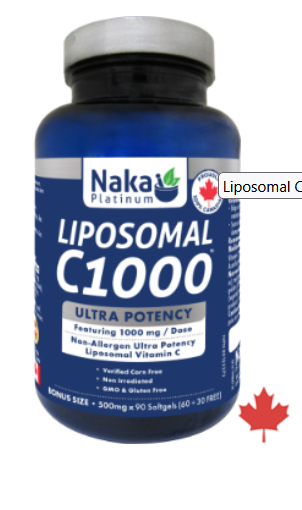
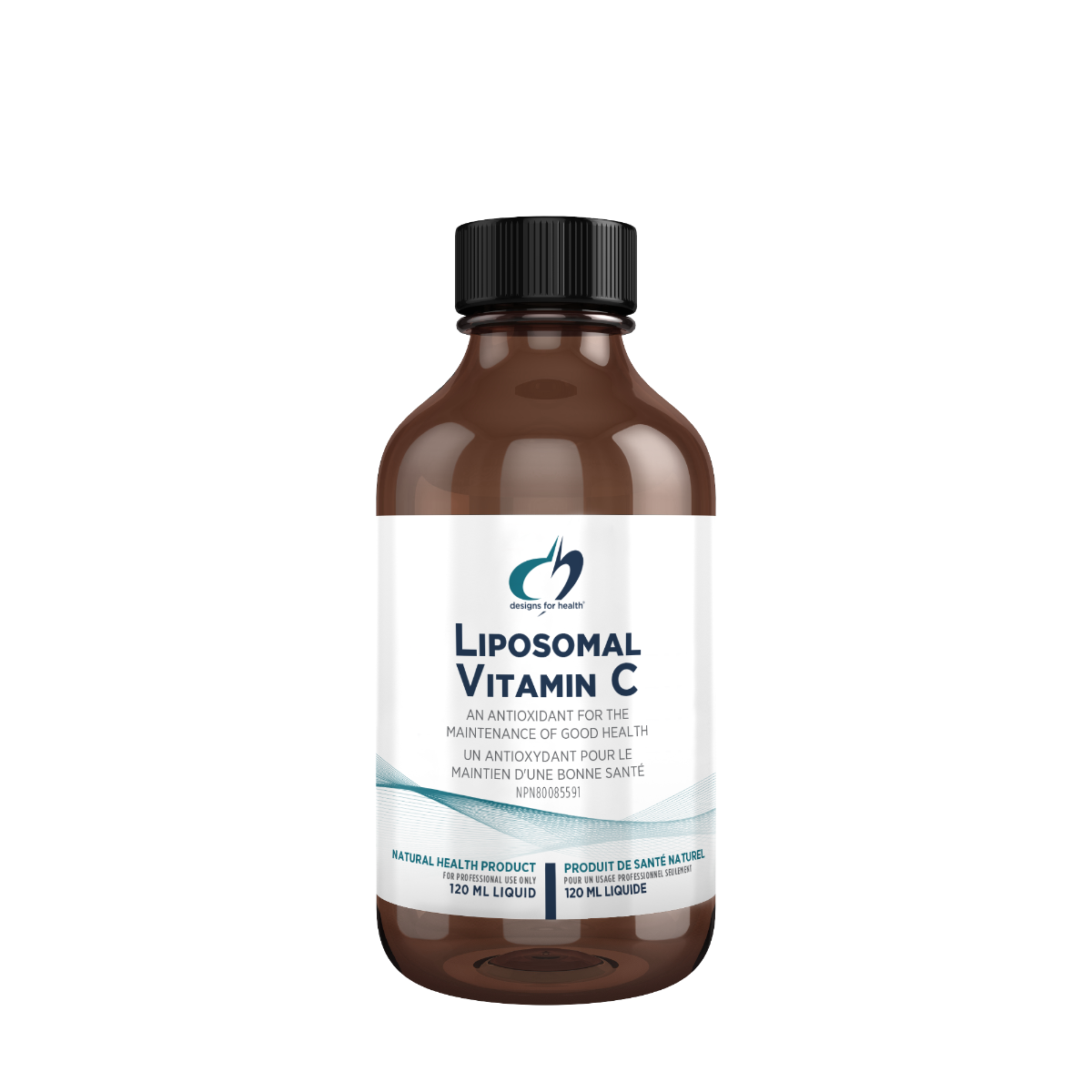
Liposomal vitamin C
-
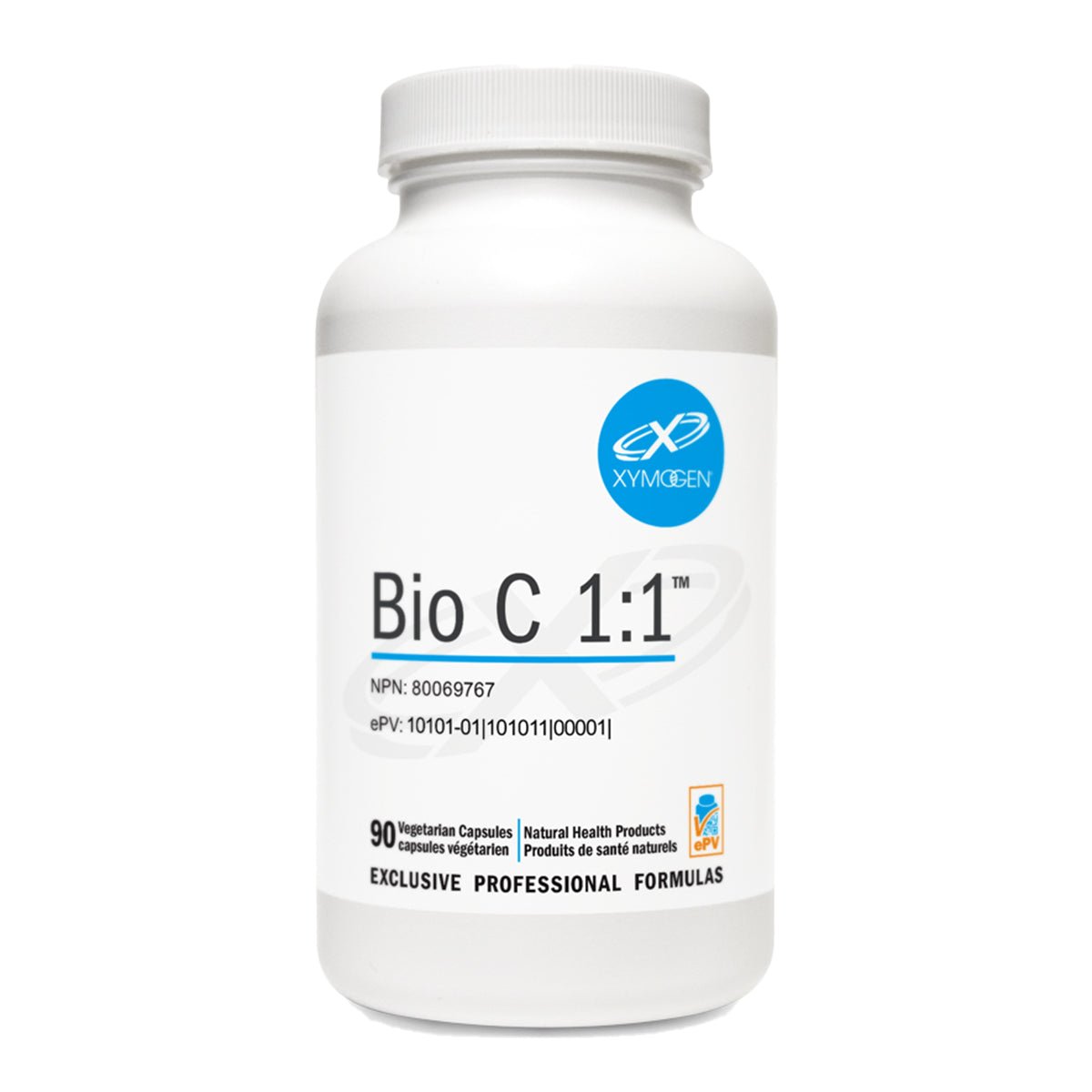
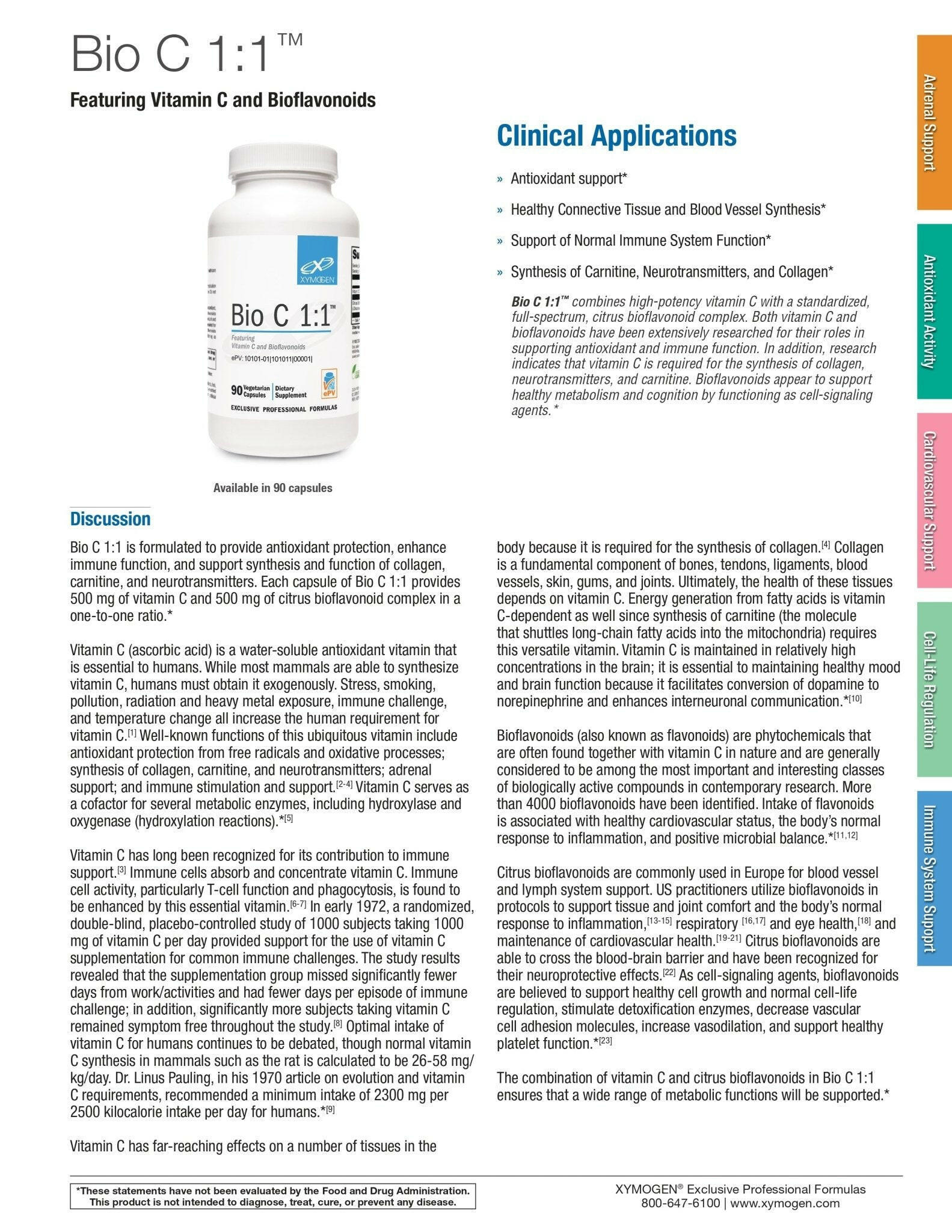
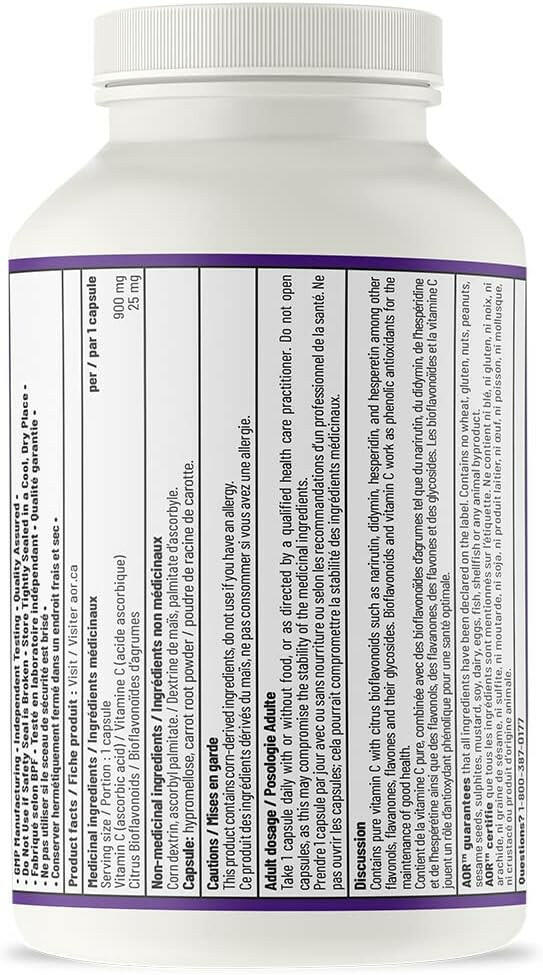
Vitamin C with bioflavonoids
Best For: Customers seeking vitamin C supplementation for antioxidant nutrition, collagen formation, and normal immune function.
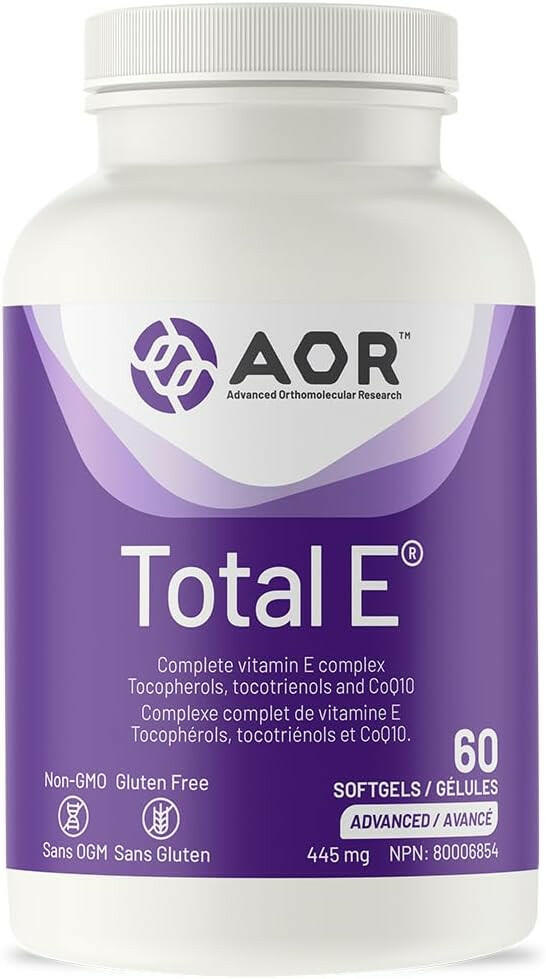
2. Vitamin E (Tocopherols & Tocotrienols)
Vitamin E refers to a family of fat-soluble compounds.
Alpha-tocopherol is the form used to establish human vitamin E requirements.
Key Features:
-
Helps protect cell membrane lipids
-
Supports normal immune function
-
Available in natural and synthetic forms
-
Offered in standalone and combination formulas
Common Forms:
-
Natural d-alpha tocopherol (RRR-alpha-tocopherol)
-
Synthetic dl-alpha tocopherol (all-rac-alpha-tocopherol)
-
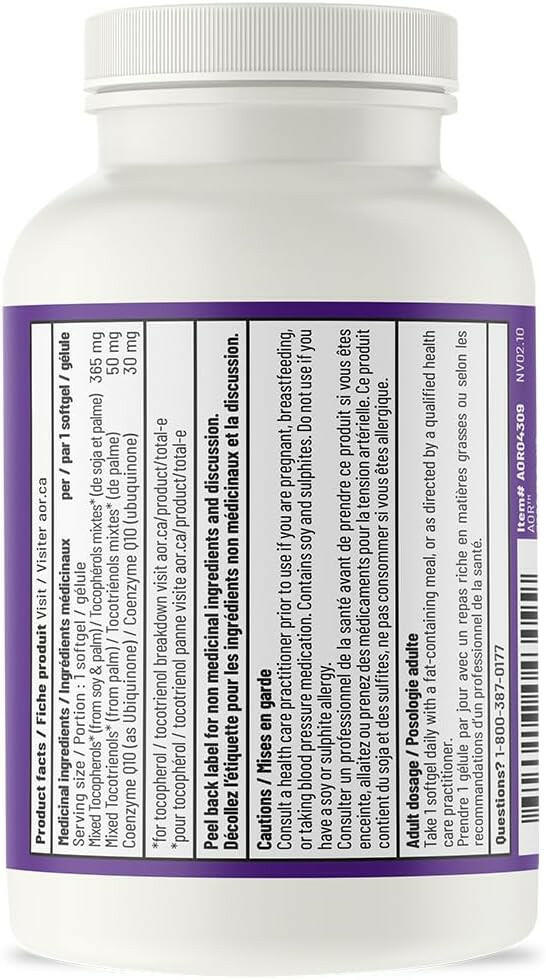
Mixed tocopherols
-
Tocotrienol complexes
Best For: Customers seeking vitamin E supplements for normal antioxidant and cellular functions.
3. Vitamin A (Retinol & Retinyl Esters)
Vitamin A is an essential fat-soluble nutrient involved in vision, immune function, and epithelial tissue maintenance.
Key Features:
-
Supports normal vision
-
Contributes to normal immune function
-
Maintains epithelial tissues
-
Participates in cellular differentiation
Common Forms:
-
Retinol
-
Retinyl palmitate
-
Retinyl acetate
Best For: Customers seeking vitamin A supplementation for specific nutritional requirements.
Preformed vitamin A can accumulate in the body, and excessive intake may cause toxicity.
4. Beta-Carotene (Provitamin A Carotenoid)
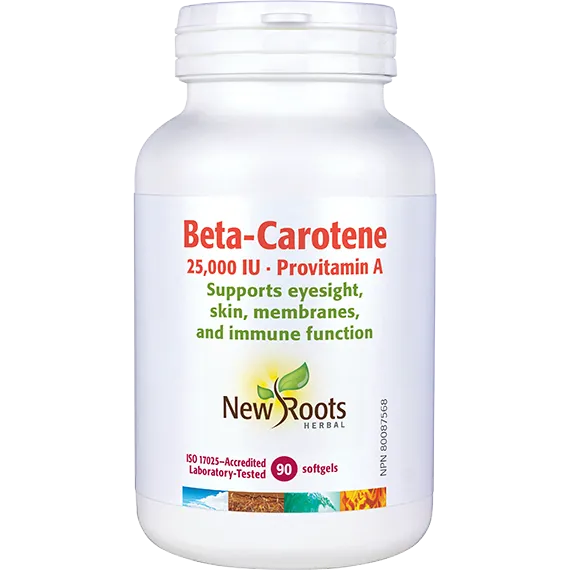
Beta-carotene is a plant-derived carotenoid that the body can convert into vitamin A as needed.
Key Features:
-
Provides provitamin A activity
-
Has antioxidant properties
-
Naturally occurs in colourful vegetables
-
Available in selected carotenoid supplements
Best For: Customers interested in provitamin A carotenoids and selected antioxidant formulations.
High-dose beta-carotene supplements have been associated with increased lung cancer risk in smokers and certain other high-risk populations.
5. Combination Vitamin Antioxidant Formulas
Selected supplements combine multiple vitamins and related compounds.
Common Ingredients:
-
Vitamin C
-
Vitamin E
-
Vitamin A
-
Beta-carotene
-
Selenium
-
Zinc
-
Other antioxidant-related nutrients
Best For: Customers seeking a multi-ingredient antioxidant supplement.
Combination formulas should be evaluated according to their specific ingredients, doses, and intended uses.
VITAMIN C VS. VITAMIN E VS. VITAMIN A
| Nutrient | Scientific name or forms | Primary established functions |
|---|---|---|
| Vitamin C | Ascorbic Acid | Antioxidant activity, collagen synthesis, immune function, iron absorption |
| Vitamin E | Alpha-Tocopherol | Lipid antioxidant protection, immune function |
| Vitamin A | Retinol & Retinyl Esters | Vision, immune function, epithelial maintenance |
| Beta-Carotene | Provitamin A Carotenoid | Provitamin A activity, antioxidant properties |
Which Vitamin Is Best for Antioxidant Protection?
Vitamin C and vitamin E have well-established antioxidant functions, but they operate in different biological environments.
Which Vitamin Supports Collagen Formation?
Vitamin C is essential for normal collagen synthesis.
Which Vitamin Protects Cell Membranes?
Vitamin E plays a particularly important role in protecting lipid-rich cell membranes.
Which Vitamin Supports Vision?
Vitamin A is essential for normal visual function.
Can These Nutrients Be Taken Together?
They may be combined in appropriately formulated supplements, but total intake and individual safety considerations should be reviewed.
WATER-SOLUBLE VS. FAT-SOLUBLE ANTIOXIDANTS
Vitamin C: Water-Soluble
Vitamin C circulates in aqueous environments and participates in several biochemical reactions.
Vitamin E: Fat-Soluble
Vitamin E is incorporated into lipid-containing structures, including cellular membranes.
Vitamin A: Fat-Soluble
Vitamin A is stored in the body and supports normal visual and cellular functions.
Why Does Solubility Matter?
Solubility influences absorption, transport, storage, and the risks associated with excessive intake.
Are Fat-Soluble Vitamins More Dangerous?
Excessive intake of certain fat-soluble vitamins, particularly preformed vitamin A, can cause toxicity. Safety depends on the nutrient, dose, and individual circumstances.
ANTIOXIDANT VITAMINS & IMMUNE FUNCTION
Vitamin C
Vitamin C contributes to normal immune cell function.
Vitamin E
Vitamin E supports normal immune function and cellular integrity.
Vitamin A
Vitamin A supports immune function and epithelial barriers.
Do Antioxidant Vitamins Boost Immunity?
Adequate intake supports normal immune function, but additional supplementation does not necessarily improve immune outcomes in people with sufficient nutrient status.
Can Antioxidant Vitamins Prevent Infections?
They are not guaranteed methods of preventing infections.
ANTIOXIDANT VITAMINS FOR SKIN HEALTH
Vitamin C & Collagen
Vitamin C is required for normal collagen synthesis.
Vitamin A & Epithelial Tissues
Vitamin A contributes to normal epithelial cell differentiation and maintenance.
Vitamin E & Skin Cells
Vitamin E participates in antioxidant protection within skin tissues.
Can Antioxidant Vitamins Improve Skin Elasticity?
Adequate nutrition supports normal skin function, but oral antioxidant supplements are not established treatments for loss of skin elasticity.
Do Antioxidant Supplements Reduce Wrinkles?
Evidence does not establish that routine oral antioxidant vitamin supplementation reliably reverses wrinkles or skin aging.
What About Topical Products?
Topical vitamin C, retinoids, and vitamin E have different formulations, uses, and evidence from oral supplements.
ANTIOXIDANT VITAMINS & HEALTHY AGING
Cellular Protection
Antioxidant nutrients help maintain normal cellular function.
Nutritional Adequacy
Meeting essential vitamin requirements remains important throughout adulthood.
Oxidative Stress & Aging
Oxidative processes are involved in aging biology, but aging is complex and cannot be prevented by taking antioxidant supplements.
Can Antioxidants Slow Aging?
Clinical evidence does not establish routine high-dose antioxidant supplementation as an effective method of slowing biological aging.
Do Antioxidants Increase Lifespan?
There is no reliable evidence that routine high-dose vitamin antioxidant supplementation extends lifespan.
ANTIOXIDANT VITAMINS & CARDIOVASCULAR HEALTH
Why Are Antioxidants Studied for Heart Health?
Oxidative processes have been investigated in relation to cardiovascular disease.
Does Vitamin E Prevent Heart Disease?
Large clinical trials have not established that routine vitamin E supplementation prevents cardiovascular disease.
Does Vitamin C Improve Circulation?
Vitamin C supplementation is not an established treatment for poor circulation.
Does Beta-Carotene Prevent Cardiovascular Disease?
Clinical evidence does not support routine beta-carotene supplementation for cardiovascular disease prevention.
Should Antioxidants Replace Heart Medication?
No. Supplements should not replace prescribed treatment or established cardiovascular prevention strategies.
ANTIOXIDANT VITAMINS & INFLAMMATION
What Is Inflammation?
Inflammation is a normal biological response involved in immune defence and tissue responses to injury.
What Is the Relationship With Oxidative Stress?
Oxidative processes and inflammatory signalling can influence one another.
Do Antioxidant Vitamins Reduce Inflammation?
Some laboratory findings suggest effects on inflammatory pathways, but clinical outcomes vary.
Can They Treat Inflammatory Diseases?
Routine vitamin antioxidant supplementation is not an established treatment for inflammatory diseases.
FOOD SOURCES OF ANTIOXIDANT VITAMINS
Vitamin C Sources
-
Citrus fruits
-
Kiwi
-
Strawberries
-
Bell peppers
-
Broccoli
Vitamin E Sources
-
Sunflower seeds
-
Almonds
-
Hazelnuts
-
Wheat germ oil
-
Sunflower oil
Vitamin A Sources
-
Liver
-
Eggs
-
Dairy products
-
Fortified foods
Provitamin A Carotenoid Sources
-
Carrots
-
Sweet potatoes
-
Pumpkin
-
Spinach
-
Kale
Food vs. Supplements
Whole foods provide vitamins alongside fibre, minerals, and numerous other nutrients.
Supplements may be useful for specific nutritional needs but do not replace a varied diet.
UNDERSTANDING ANTIOXIDANT VITAMIN DOSAGE
Vitamin C
The Recommended Dietary Allowance for adults is:
-
Men: 90 mg daily
-
Women: 75 mg daily
-
Pregnancy, ages 19–50: 85 mg daily
-
Breastfeeding, ages 19–50: 120 mg daily
Adults who smoke require an additional 35 mg of vitamin C daily.
The established adult tolerable upper intake level is 2,000 mg daily.
Vitamin E
The Recommended Dietary Allowance for most adults is:
15 mg of alpha-tocopherol daily
For breastfeeding adults, the recommended intake is 19 mg daily.
The established North American adult upper intake level for supplemental alpha-tocopherol is 1,000 mg daily, although adverse effects may occur below this amount.
Vitamin A
The Recommended Dietary Allowance for adults is:
-
Men: 900 mcg RAE daily
-
Women: 700 mcg RAE daily
-
Pregnancy, ages 19–50: 770 mcg RAE daily
-
Breastfeeding, ages 19–50: 1,300 mcg RAE daily
The established adult tolerable upper intake level for preformed vitamin A is 3,000 mcg RAE daily.
Beta-Carotene
There is no separate Recommended Dietary Allowance for beta-carotene.
Provitamin A carotenoids contribute to vitamin A activity, but high-dose beta-carotene supplementation requires particular caution in smokers and certain other populations.
Important Dosage Considerations
These values are general dietary reference intakes, not universal supplement recommendations.
Individual requirements may differ based on age, diet, medical conditions, and other factors.
ANTIOXIDANT VITAMIN SAFETY
Vitamin C
High doses may cause gastrointestinal discomfort and diarrhea.
Individuals with certain kidney conditions or iron-overload disorders may require additional precautions.
Vitamin E
High-dose vitamin E supplementation may increase bleeding risk.
A major clinical trial also reported increased prostate cancer risk among men assigned to high-dose synthetic vitamin E.
Vitamin A
Excessive preformed vitamin A can cause toxicity.
High preformed vitamin A intake is particularly concerning during pregnancy because of the risk of fetal harm.
Beta-Carotene
High-dose beta-carotene supplements should be avoided by smokers and certain other high-risk groups because of increased lung cancer risk observed in clinical trials.
Combination Formulas
Check for overlapping ingredients across multivitamins and antioxidant supplements.
HOW TO CHOOSE VITAMIN-BASED ANTIOXIDANTS
-
Identify Your Nutritional Goal: General antioxidant nutrition, immune function, collagen formation, or a specific deficiency.
-
Choose the Nutrient: Vitamin C, Vitamin E, Vitamin A, or provitamin A carotenoids.
-
Consider Standalone vs. Combination Products: Choose based on nutritional needs rather than ingredient count alone.
-
Review Scientific Ingredient Names: Ascorbic acid, alpha-tocopherol, retinol, and beta-carotene.
-
Compare Strengths: Check milligrams, micrograms, RAE, or IU as applicable.
-
Review Total Daily Intake: Avoid overlapping high-dose supplements.
-
Consider Dietary Sources: Assess whether supplementation is necessary.
-
Review Medical Conditions: Particularly bleeding disorders, kidney conditions, pregnancy, or smoking history.
-
Check Canadian Authorization: Review the product's NPN or DIN and permitted uses.
-
Seek Professional Guidance: Especially for high-potency or multi-ingredient products.
AVAILABLE PRODUCT FORMATS
Vitamin C Capsules & Tablets
Ascorbic acid and other vitamin C formulations.
Buffered Vitamin C
Calcium ascorbate, magnesium ascorbate, and related formulations.
Liposomal Vitamin C
Selected vitamin C delivery formulations.
Vitamin E Softgels
Natural and synthetic alpha-tocopherol products.
Mixed Tocopherols & Tocotrienols
Specialty vitamin E-family supplements.
Vitamin A Capsules & Softgels
Preformed vitamin A products.
Beta-Carotene Supplements
Selected provitamin A carotenoid formulations.
Combination Antioxidant Formulas
Products containing multiple antioxidant-related nutrients.
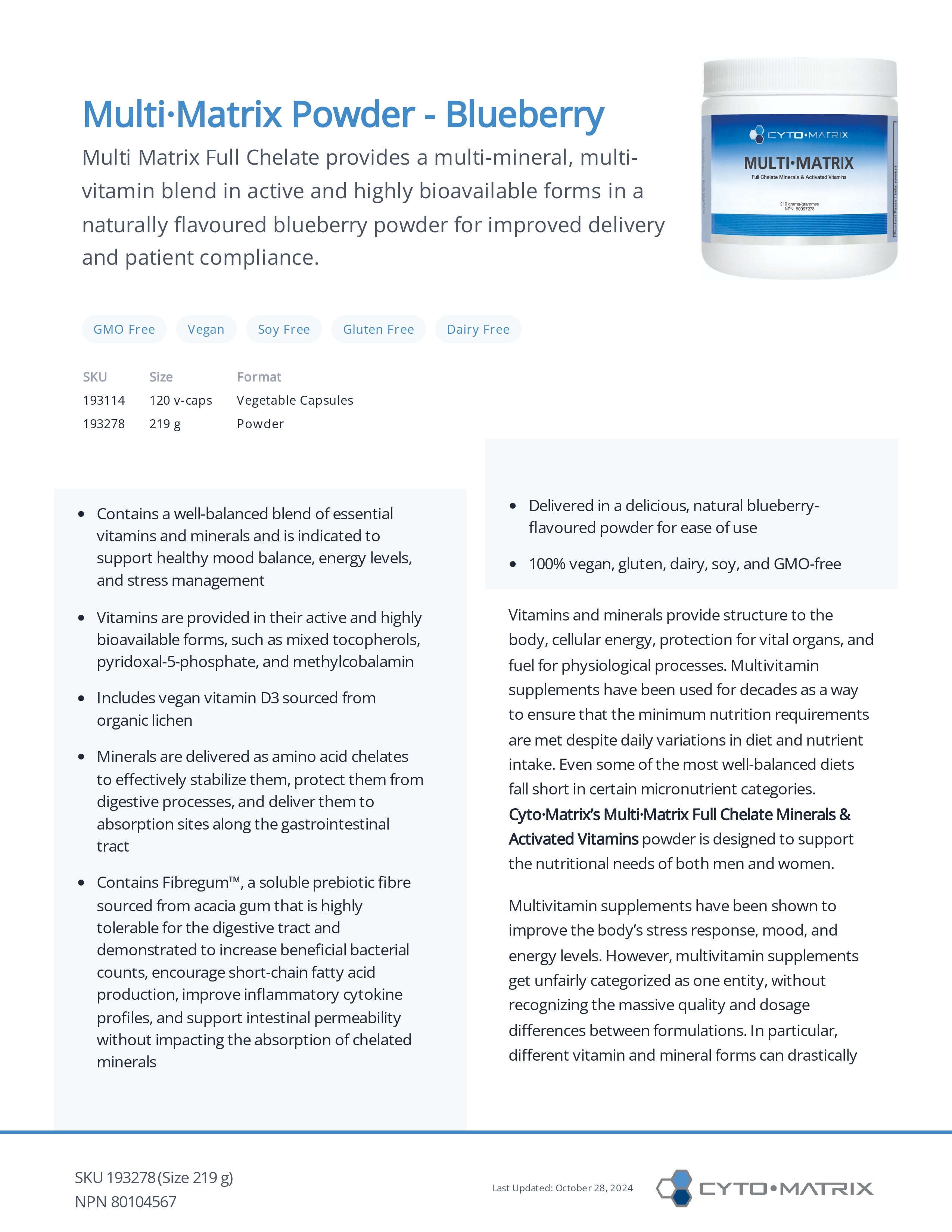
Multivitamins With Antioxidant Nutrients
Selected multivitamins where antioxidant vitamins are a prominent focus.
HOW TO USE ANTIOXIDANT VITAMIN SUPPLEMENTS
Follow the Product Label
Use the recommended serving size and frequency.
Consider Food and Absorption
Vitamins A and E are fat-soluble and are generally absorbed with dietary fats.
Vitamin C is water-soluble and may be taken according to the product's directions.
Is Morning the Best Time?
There is no established universal best time of day for antioxidant vitamin supplementation.
Can Vitamin C and E Be Taken Together?
They may be combined when appropriate, but more is not necessarily better.
Review Multiple Supplements
Check overlapping ingredients and total daily intake.
Avoid Unnecessary High Doses
Higher-strength antioxidant formulas are not automatically more effective.
CAUTIONS & WARNINGS
-
High-Dose Vitamin E: May increase bleeding risk.
-
Anticoagulant & Antiplatelet Medications: Some supplements may require additional precautions.
-
Preformed Vitamin A Toxicity: Excessive intake can cause serious adverse effects.
-
Pregnancy: Avoid excessive preformed vitamin A intake.
-
Beta-Carotene & Smoking: High-dose supplements may increase lung cancer risk in smokers and certain other high-risk populations.
-
Vitamin C & Kidney Conditions: High doses may be inappropriate for some individuals.
-
Iron-Overload Disorders: Vitamin C supplementation may require professional review.
-
Cancer Treatment: Discuss antioxidant supplements with the treating oncology team.
-
Children: Use age-appropriate products and dosing.
-
Combination Formulas: Review all medicinal ingredients and overlapping doses.
-
Canadian Authorization: Follow the exact product's NPN- or DIN-authorized indications, directions, and warnings.
WHY SHOP VITAMIN-BASED ANTIOXIDANTS AT COAL HARBOUR PHARMACY?
-
Selection of vitamin-based antioxidant supplements where available.
-
Standalone vitamin C, vitamin E, and vitamin A formulations.
-
Mixed tocopherol and carotenoid options.
-
Selected combination antioxidant products.
-
Different strengths, formats, and package sizes.
-
Convenient comparison of ingredients and supplement types.
-
Access to a licensed Vancouver pharmacy.
-
Shipping to eligible Canadian destinations.
-
Product information to support informed purchasing decisions.
FREQUENTLY ASKED QUESTIONS
What are vitamin-based antioxidants?
They are essential vitamins and related compounds involved in antioxidant protection and other normal physiological functions, particularly vitamin C, vitamin E, and certain carotenoids.
Which vitamins are antioxidants?
Vitamin C and vitamin E are established antioxidant vitamins. Certain carotenoids, including beta-carotene, also have antioxidant properties.
Is vitamin A an antioxidant?
Vitamin A is essential for vision, immunity, and epithelial health. Some provitamin A carotenoids have antioxidant activity, but preformed vitamin A should not be treated as equivalent to antioxidant carotenoids.
What is the scientific name of vitamin C?
Ascorbic acid.
What is the scientific name of vitamin E?
Vitamin E refers to tocopherols and tocotrienols. Alpha-tocopherol is the form used to establish human vitamin E requirements.
What is the scientific name of vitamin A?
Vitamin A includes retinol and related retinoid compounds.
Can vitamin C and vitamin E be taken together?
Yes, when appropriate. They have complementary biochemical roles, but combination supplementation is not automatically superior.
Are antioxidant vitamins good for skin?
Adequate intake supports normal skin-related functions, particularly vitamin C's role in collagen synthesis and vitamin A's role in epithelial maintenance.
Do antioxidant vitamins support immunity?
Yes. Vitamins A, C, and E contribute to normal immune function.
Can antioxidant vitamins prevent aging?
No. Antioxidant supplementation has not been established as a method of preventing or reversing aging.
Can antioxidants prevent heart disease?
Routine high-dose antioxidant vitamin supplementation has not been established as an effective method of preventing cardiovascular disease.
Are high-dose antioxidant supplements safe?
Not always. Excessive vitamin A and high-dose vitamin E or beta-carotene can cause significant safety concerns.
Can smokers take beta-carotene supplements?
High-dose beta-carotene supplementation is not recommended for smokers because of increased lung cancer risk observed in clinical trials.
Should antioxidant vitamins be taken in the morning?
There is no universal requirement. Follow the product directions and consider whether taking the supplement with food is appropriate.
Can children take antioxidant vitamins?
Children need essential vitamins, but supplements should be age-appropriate and used according to their individual nutritional requirements.
SHOP VITAMIN-BASED ANTIOXIDANTS
Discover Vitamin C (Ascorbic Acid), Vitamin E (Tocopherols & Tocotrienols), Vitamin A (Retinol & Retinyl Esters), beta-carotene, and combination antioxidant supplements at Coal Harbour Pharmacy.
Compare ingredient forms, strengths, delivery formats, and Canadian-authorized indications to find antioxidant vitamin supplements suited to your nutritional needs.
Essential antioxidant nutrition for cellular protection, skin health, and normal immune function.
RELATED COLLECTIONS
-
Vitamin C (Ascorbic Acid) – Water-soluble antioxidant supplements for collagen formation, immune function, and iron absorption.
-
Vitamin E (Tocopherols & Tocotrienols) – Fat-soluble antioxidant supplements for cellular membrane protection.
-
Vitamin A (Retinol & Beta-Carotene) – Vitamin A and provitamin A supplements for vision, immune function, and epithelial health.
-
Antioxidant Supplements – Broader antioxidant formulas containing vitamins, minerals, and other compounds.
-
Bioflavonoids – Plant-derived flavonoid supplements commonly paired with vitamin C.
Shop Vitamin-Based Antioxidants →
Sort by
72 products























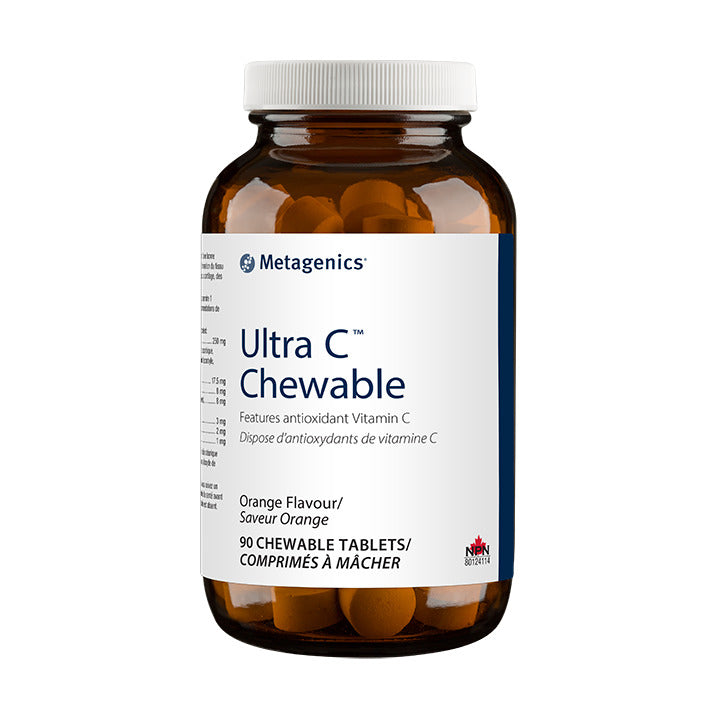
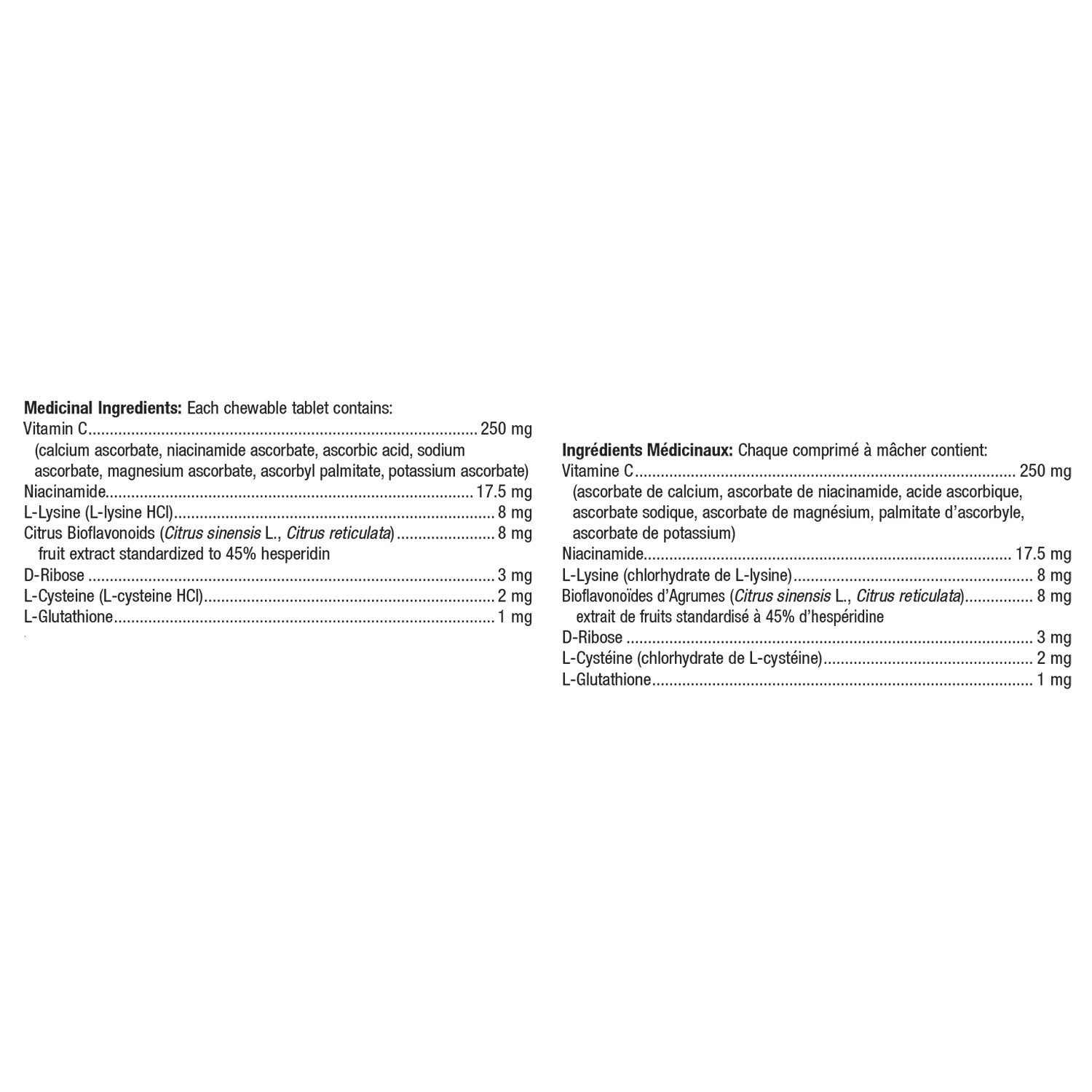



FREE STANDARD SHIPPING
Satisfied or refunded
Top-notch support
Secure payments
Encrypted checkout processing
Offers exclude prescriptions and in-store purchases.
Subscribe & Get a First-Order Reward
Plus, earning reward points on eligible online purchases and enjoy future store credit.
We respect your inbox at Coal Harbour Pharmacy - Expect thoughtfully curated health and wellness updates, timely reminders, and exclusive online savings.