
Traditional & Herbal Medicine – Herbal Remedies & Supplements
Explore traditional herbal medicine, herbal remedies, tinctures, medicinal teas, botanical supplements, and traditional plant-based preparations at Coal Harbour Pharmacy.
Discover products inspired by Western herbalism, Ayurveda, Traditional Chinese Medicine, and other established herbal traditions, with formulations intended for a range of wellness needs, including digestive comfort, relaxation, seasonal wellness, and general vitality.
ABOUT TRADITIONAL & HERBAL MEDICINE
Traditional and herbal medicine encompasses health practices and preparations that use plants, botanical extracts, and other naturally derived ingredients.
Many herbal ingredients have histories of use within traditional medical systems, including Western herbalism, Ayurvedic medicine, and Traditional Chinese Medicine (TCM).
Our collection features herbal tinctures, liquid extracts, medicinal teas, capsules, powders, traditional topical preparations, and combination botanical formulas.
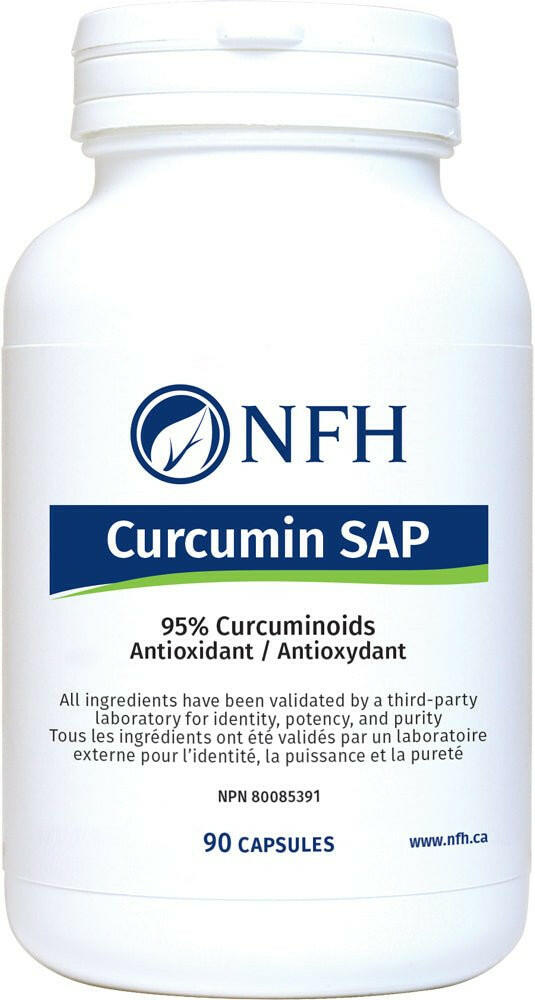
Common ingredients include ginger, turmeric, echinacea, astragalus, ginseng, valerian, chamomile, licorice root, and milk thistle.
Some herbal products have evidence supporting specific uses, while others are primarily supported by traditional-use records or preliminary research.
Product suitability depends on the exact ingredients, concentration, intended use, and individual health circumstances.
KEY BENEFITS
-
Traditional Wellness Practices: Explore botanical preparations with established histories of traditional use.
-
Digestive Comfort: Selected herbs are traditionally used for specific digestive concerns.
-
Relaxation & Sleep: Certain herbal ingredients have traditional uses related to relaxation and rest.
-
Seasonal Wellness: Explore herbal formulas traditionally used during seasonal health concerns.
-
Botanical Nutrition: Discover plant-derived ingredients and specialty extracts.
-
Different Preparations: Choose tinctures, teas, capsules, powders, and topical products.
-
Targeted Formulations: Compare individual herbs and multi-ingredient traditional formulas.
Benefits vary by product and should be evaluated against its authorized Canadian indications.
WHO IT'S IDEAL FOR
-
Adults interested in traditional herbal medicine.
-
Customers exploring Western herbal remedies.
-
Individuals researching Ayurvedic herbal preparations.
-
Shoppers seeking Traditional Chinese Medicine formulas.
-
Customers who prefer botanical tinctures or medicinal teas.
-
Adults comparing single-herb and combination supplements.
-
Individuals seeking traditional wellness products alongside appropriate conventional healthcare.
TRADITIONAL HERBAL MEDICINE SYSTEMS
1. Western Herbal Medicine
Western herbalism uses medicinal plants with histories of use in European and North American herbal traditions.
Common ingredients include:
-
Echinacea
-
Chamomile
-
Valerian
-
Milk thistle
-
Peppermint
-
Lemon balm
-
Elderberry
Best For: Customers exploring traditional European and Western botanical preparations.
2. Ayurvedic Herbal Medicine
Ayurveda is a traditional medical system originating in India, with a long history of botanical and other therapeutic practices.
Common herbal ingredients include:
-
Ashwagandha
-
Turmeric
-
Triphala
-
Tulsi (Holy Basil)
-
Brahmi
-
Amla
Best For: Customers interested in traditional Ayurvedic herbal formulations.
Traditional Ayurvedic use does not automatically establish modern clinical effectiveness or safety.
3. Traditional Chinese Herbal Medicine
Traditional Chinese Medicine uses individual herbs and complex botanical formulas within a broader traditional medical framework.
Common ingredients include:
-
Astragalus
-
Asian ginseng
-
Licorice root
-
Schisandra
-
Reishi mushroom
-
Selected traditional herbal combinations
Best For: Customers exploring Chinese herbal preparations and traditional formulas.
Multi-herb TCM products require particular attention to ingredient identity, interactions, and product authorization.
4. Traditional Botanical Remedies
Plant-based preparations that may draw on multiple herbal traditions or longstanding regional practices.
Examples include ginger, peppermint, fennel, and other botanicals.
Best For: Customers seeking individual herbal ingredients and traditional botanical products.
TYPES OF TRADITIONAL & HERBAL PRODUCTS
1. Herbal Tinctures & Liquid Extracts
Concentrated botanical preparations commonly made using water, alcohol, glycerin, or other extraction methods.
Best For: Customers who prefer liquid herbal formulations.
2. Medicinal Herbal Teas
Herbal infusions or decoctions prepared from selected leaves, flowers, roots, or other plant materials.
Best For: Customers seeking traditional herbal tea preparations.
Medicinal herbal teas should be distinguished from ordinary beverages when they make therapeutic claims.
3. Herbal Capsules & Tablets
Convenient products containing powdered herbs, standardized extracts, or botanical combinations.
Best For: Customers seeking measured, portable herbal preparations.
4. Botanical Powders
Powdered herbs and extracts intended for use according to their specific product directions.
Best For: Customers who prefer powdered botanical formulations.
5. Traditional Herbal Balms & Oils
Topical preparations containing selected botanical extracts, essential oils, or traditional herbal ingredients.
Best For: Customers exploring traditional topical care products.
6. Multi-Herb Traditional Formulas
Products combining several botanicals according to traditional practices or modern formulation approaches.
Best For: Customers comparing specialized herbal combinations.
Multi-ingredient products can have more complex safety considerations and medication interactions.
7. Adaptogenic Herbal Products
Products containing botanicals commonly marketed as adaptogens, such as ashwagandha, rhodiola, or ginseng.
Best For: Adults exploring traditional products associated with stress-related wellness.
The term adaptogen does not establish that every product improves stress tolerance or has clinically proven benefits.
COMMON HERBAL INGREDIENTS
Ginger
Traditionally used for digestive concerns, including nausea. Evidence supports certain ginger preparations for specific nausea-related conditions, although effectiveness varies.
Turmeric
Contains curcuminoids and has a history of traditional use. Clinical evidence for specific health outcomes varies considerably by formulation.
Echinacea
Traditionally used for seasonal and upper respiratory concerns. Evidence for preventing or treating common colds is mixed.
Astragalus
A botanical used in Traditional Chinese Medicine. Human clinical evidence for many marketed benefits remains limited.
Ginseng
Used in several traditional medicine systems. Potential benefits and risks vary by species, extract, and intended use.
Valerian
Traditionally used for relaxation and sleep-related concerns. Clinical evidence for insomnia is inconsistent.
Chamomile
Commonly used in herbal teas and traditional preparations for digestive comfort and relaxation.
Milk Thistle
Contains compounds collectively known as silymarin. Evidence for treating liver diseases remains insufficient or inconsistent.
Licorice Root
Traditionally used in digestive and respiratory preparations. Glycyrrhizin-containing licorice can raise blood pressure and cause serious electrolyte disturbances.
Shopping Tip: Compare the botanical species, plant part, extract concentration, standardization, and authorized indications rather than relying only on the herb's common name.
COMMON WELLNESS CONCERNS
Digestive Comfort
Selected herbal preparations are traditionally used for occasional digestive symptoms.
Relaxation & Rest
Some botanicals have traditional uses related to relaxation and sleep.
Seasonal Wellness
Certain herbal products are marketed for traditional seasonal respiratory or immune-related uses.
General Vitality
Ginseng and other botanicals have histories of use in traditional wellness practices.
Botanical Skin Care
Traditional topical products may be used for selected cosmetic or skin-related purposes, depending on their formulation.
HOW TO CHOOSE TRADITIONAL HERBAL REMEDIES
-
Identify Your Wellness Goal: Consider the specific concern rather than choosing a broad multi-herb product without a clear purpose.
-
Review Traditional Uses: Understand which traditional medical system supports the product's intended use.
-
Check the Evidence: Distinguish traditional-use claims from benefits supported by human clinical studies.
-
Verify Botanical Identity: Look for the correct species, plant part, and ingredient information.
-
Compare Extracts: Standardized extracts and whole-herb preparations may differ in composition.
-
Check Canadian Authorization: Review the NPN or other applicable authorization and its permitted indications.
-
Review Medication Interactions: Herbal ingredients can affect prescription and non-prescription medications.
-
Consider Treatment Duration: Not every herbal preparation is appropriate for continuous use.
HOW TO BUILD A HERBAL WELLNESS ROUTINE
Start With a Specific Goal
Choose a product based on a clearly defined wellness need and its authorized indication.
Select an Appropriate Format
Consider whether capsules, tinctures, teas, or topical preparations are most suitable.
Follow Product Directions
Use the recommended dose, frequency, and duration stated on the Canadian label.
Introduce Products Carefully
Avoid starting several unfamiliar herbal products simultaneously.
Review Existing Medications
Consult a pharmacist or healthcare professional about potential interactions.
Monitor Tolerance
Discontinue use and seek advice if unexpected symptoms or adverse reactions occur.
CAUTIONS & WARNINGS
-
Natural Does Not Mean Risk-Free: Herbal products can cause adverse effects, allergic reactions, and toxicity.
-
Medication Interactions: Certain herbs may interact with anticoagulants, sedatives, diabetes medications, immunosuppressants, and other drugs.
-
Pregnancy & Breastfeeding: Many herbal preparations lack adequate safety data.
-
Liver Health: Certain concentrated herbal extracts have been associated with liver injury.
-
Licorice Root: Glycyrrhizin-containing products can cause hypertension, low potassium, and abnormal heart rhythms.
-
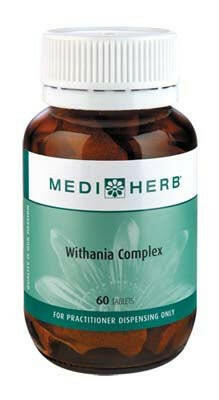
Ashwagandha: May affect thyroid function and has been associated with rare cases of liver injury.
-
Ginseng: May affect blood glucose and interact with certain medications.
-
Herbal Quality: Botanical identification, contaminants, and formulation quality are important considerations.
-
Children: Use only products specifically appropriate for the child's age.
-
Chronic Conditions: Herbal remedies should not replace prescribed treatment or delay medical assessment.
Traditional use is not equivalent to proven clinical effectiveness. Always follow the exact product's authorized Canadian indications and warnings.
WHY SHOP TRADITIONAL & HERBAL MEDICINE AT COAL HARBOUR PHARMACY?
-
Selection of traditional herbal and botanical products.
-
Western herbal, Ayurvedic, and Traditional Chinese Medicine preparations where available.
-
Herbal tinctures, teas, capsules, powders, and topical options.
-
Convenient comparison of ingredients, strengths, and product formats.
-
Access to a licensed Vancouver pharmacy.
-
Shipping to eligible Canadian and international destinations, subject to product restrictions.
FREQUENTLY ASKED QUESTIONS
What is traditional herbal medicine?
Traditional herbal medicine refers to the use of plants and botanical preparations within established medical and wellness traditions.
Are herbal remedies scientifically proven?
Evidence varies. Some herbs have been studied in clinical trials, while others rely primarily on historical or traditional-use records.
What is the difference between herbal medicine and homeopathy?
Herbal medicine uses botanical ingredients or extracts. Homeopathy is a separate system based on different principles and often uses highly diluted preparations. The two should not be treated as equivalent.
Are herbal tinctures stronger than herbal teas?
Not necessarily. Their composition and concentration depend on the herb, extraction method, and formulation.
Can herbal medicine be taken with prescription medications?
Some herbal products interact with medications. Consult a pharmacist or healthcare professional before combining them.
Are Ayurvedic and Traditional Chinese Medicine products safe?
Safety depends on the exact formulation, ingredient identity, manufacturing quality, dosage, and individual health circumstances.
Can I take herbal remedies every day?
Some products are intended for regular use, while others are recommended only for limited periods. Follow the label and seek professional guidance when needed.
Are traditional herbal remedies regulated in Canada?
Many herbal natural health products require authorization from Health Canada and carry an NPN. Traditional-use claims may be authorized based on appropriate supporting evidence, including recognized traditional references.
SHOP TRADITIONAL & HERBAL MEDICINE
Discover herbal tinctures, medicinal teas, botanical supplements, Ayurvedic formulas, Traditional Chinese Medicine products, and Western herbal remedies at Coal Harbour Pharmacy.
Compare botanical ingredients, traditional uses, concentrations, and product formats to find preparations appropriate for your wellness needs.
RELATED COLLECTIONS
-
Herbal Supplements – Individual botanical extracts and combination herbal formulas.
-
Adaptogens – Ashwagandha, rhodiola, ginseng, and other adaptogenic botanicals.
-
Natural Digestive Support – Herbal and nutritional products for digestive wellness.
-
Natural Sleep Support – Botanical and nutritional formulas for relaxation and rest.
-
Natural Cold & Flu – Traditional herbal and nutritional products for seasonal wellness.
Shop Traditional & Herbal Medicine →
Sort by
148 products


FREE STANDARD SHIPPING
Satisfied or refunded
Top-notch support
Secure payments
Encrypted checkout processing
Offers exclude prescriptions and in-store purchases.
Subscribe & Get a First-Order Reward
Plus, earning reward points on eligible online purchases and enjoy future store credit.
We respect your inbox at Coal Harbour Pharmacy - Expect thoughtfully curated health and wellness updates, timely reminders, and exclusive online savings.