

Vitamin D (Cholecalciferol & Ergocalciferol) – Bone & Immune Support
Often called the sunshine vitamin, vitamin D is an essential fat-soluble nutrient involved in calcium and phosphorus absorption, normal bone development, muscle function, and immune system regulation.
Whether you're looking for daily vitamin D3, plant-based vitamin D, higher-strength supplements, or bone-health combinations, compare formulations and strengths to find an option suited to your nutritional needs.
Essential vitamin D nutrition for healthy bones, teeth, muscles, and normal immune function.
ABOUT VITAMIN D (CHOLECALCIFEROL & ERGOCALCIFEROL)
Vitamin D is a fat-soluble nutrient that helps the body absorb and use calcium and phosphorus, two minerals essential for healthy bones and teeth.
Vitamin D also contributes to normal muscle function and participates in immune system regulation.
The body can produce vitamin D3 when the skin is exposed to ultraviolet B (UVB) radiation from sunlight. Vitamin D can also be obtained from certain foods, fortified products, and supplements.
The two main supplemental forms are:
-
Vitamin D3 (Cholecalciferol): Commonly derived from lanolin or other animal sources, with vegan D3 also available from lichen.
-
Vitamin D2 (Ergocalciferol): Commonly produced from UV-exposed fungi and suitable for many vegan formulations.
Both forms contribute to vitamin D status, although vitamin D3 generally raises and maintains blood 25-hydroxyvitamin D levels more effectively than vitamin D2 at comparable doses.
At Coal Harbour Pharmacy, explore vitamin D3 capsules, vitamin D2 supplements, vegan vitamin D drops, D3 + K2 formulas, vitamin D with calcium, and family-friendly vitamin D products, where available.
KEY BENEFITS
-
Calcium Absorption: Helps the body absorb calcium from the digestive tract.
-
Phosphorus Regulation: Supports normal phosphorus absorption and metabolism.
-
Bone Health: Contributes to normal bone mineralization and skeletal maintenance.
-
Teeth Health: Supports mineral metabolism necessary for healthy teeth.
-
Muscle Function: Helps maintain normal muscle function.
-
Immune Function: Participates in normal immune system regulation.
-
Growth & Development: Supports normal skeletal development in children.
-
Vitamin D Deficiency Prevention: Adequate intake helps prevent deficiency-related bone disorders.
-
Healthy Aging: Supports bone and muscle nutrition throughout adulthood.
These benefits reflect established physiological roles. Vitamin D supplementation is not a proven general treatment for depression, seasonal affective disorder, cognitive decline, or immune-related diseases.
WHO IT'S IDEAL FOR
-
Adults With Limited Sun Exposure: Individuals who spend substantial time indoors or have limited UVB exposure.
-
Older Adults: People whose vitamin D intake and bone-health needs require attention.
-
Customers Seeking Bone Support: Individuals comparing vitamin D with calcium or other bone-health nutrients.
-
Vegetarians & Vegans: Customers seeking vegan D2 or lichen-derived D3.
-
People With Inadequate Dietary Intake: Individuals who consume limited vitamin D-containing foods.
-
Individuals With Diagnosed Vitamin D Deficiency: Customers following professional supplementation recommendations.
-
Pregnancy & Breastfeeding Customers: Individuals reviewing appropriate vitamin D intake.
-
Parents & Caregivers: Customers seeking age-appropriate vitamin D products for infants and children.
-
Customers Comparing D3 + K2: Individuals interested in combination bone-health formulas.
-
Adults Seeking Daily Vitamin D: Customers comparing different strengths and supplement formats.
WHAT IS VITAMIN D?
A Fat-Soluble Vitamin
Vitamin D is absorbed with dietary fats and can be stored in body tissues.
A Nutrient With Hormonal Functions
Vitamin D is converted into biologically active compounds that regulate important physiological processes.
Vitamin D From Sunlight
UVB exposure initiates vitamin D3 production in the skin.
Vitamin D From Food
Vitamin D is present in selected animal foods, UV-exposed mushrooms, and fortified foods.
Vitamin D From Supplements
Vitamin D2 and D3 are available in multiple supplemental formats.
Vitamin D Activation
Vitamin D undergoes conversion in the liver to 25-hydroxyvitamin D, followed by conversion primarily in the kidneys to the active hormone calcitriol.
FORMS OF VITAMIN D SUPPLEMENTS
1. Vitamin D3 (Cholecalciferol)
Vitamin D3 is the form produced naturally in human skin following appropriate UVB exposure.
Key Features:
-
Widely used in vitamin D supplements
-
Generally effective at increasing vitamin D status
-
Available in multiple strengths
-
Commonly offered as softgels, capsules, tablets, and drops
-
Often derived from lanolin or other animal sources
Best For: Customers seeking conventional vitamin D3 supplementation.
2. Vitamin D2 (Ergocalciferol)
Vitamin D2 is commonly produced from UV-exposed fungi.
Key Features:
-
Provides vitamin D activity
-
Suitable for many vegetarian and vegan products
-
Available in selected supplements
-
Effective for improving vitamin D status when appropriately dosed
Best For: Customers specifically seeking ergocalciferol or a plant-compatible vitamin D source.
3. Vegan Vitamin D3 (Lichen-Derived Cholecalciferol)
Vegan vitamin D3 is commonly sourced from lichen.
Key Features:
-
Provides cholecalciferol
-
Animal-free source when the finished formulation is vegan
-
Available in selected capsules and drops
-
Suitable for customers avoiding animal-derived vitamin D
Best For: Vegans seeking vitamin D3 rather than vitamin D2.
4. Vitamin D3 With K2
Combination supplements contain vitamin D3 and vitamin K2.
Vitamin K2 may be present as:
-
Menaquinone-4 (MK-4)
-
Menaquinone-7 (MK-7)
Key Features:
-
Combines two fat-soluble vitamins
-
Available in capsules, softgels, and liquids
-
Often marketed for bone-health nutrition
Best For: Customers seeking a vitamin D and vitamin K combination.
Vitamin K2 should not be marketed as proven to prevent calcium buildup in arteries or as necessary for everyone taking vitamin D.
5. Vitamin D With Calcium
Combination formulas provide vitamin D alongside calcium.
Key Features:
-
Combines nutrients involved in bone maintenance
-
Available in tablets, capsules, and other formats
-
May be appropriate for individuals with specific calcium and vitamin D needs
Best For: Customers seeking combined bone-health nutritional support.
6. High-Potency Vitamin D
Selected products contain higher amounts of vitamin D per serving.
Key Features:
-
Higher-strength formulations
-
Different dosing schedules depending on the product
-
May require professional supervision
-
Particularly important to review total daily intake
Best For: Individuals following professional guidance for a specific vitamin D requirement.
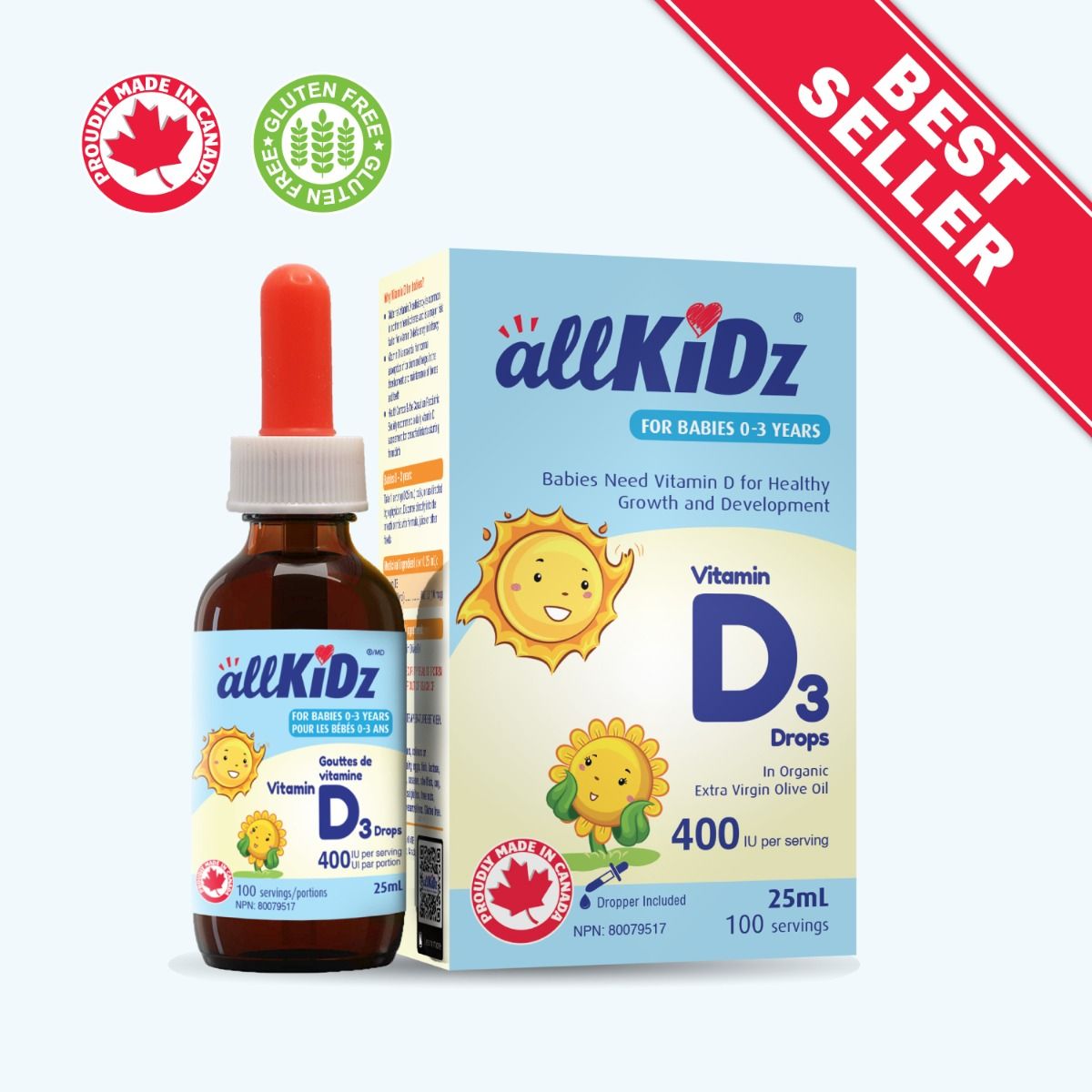
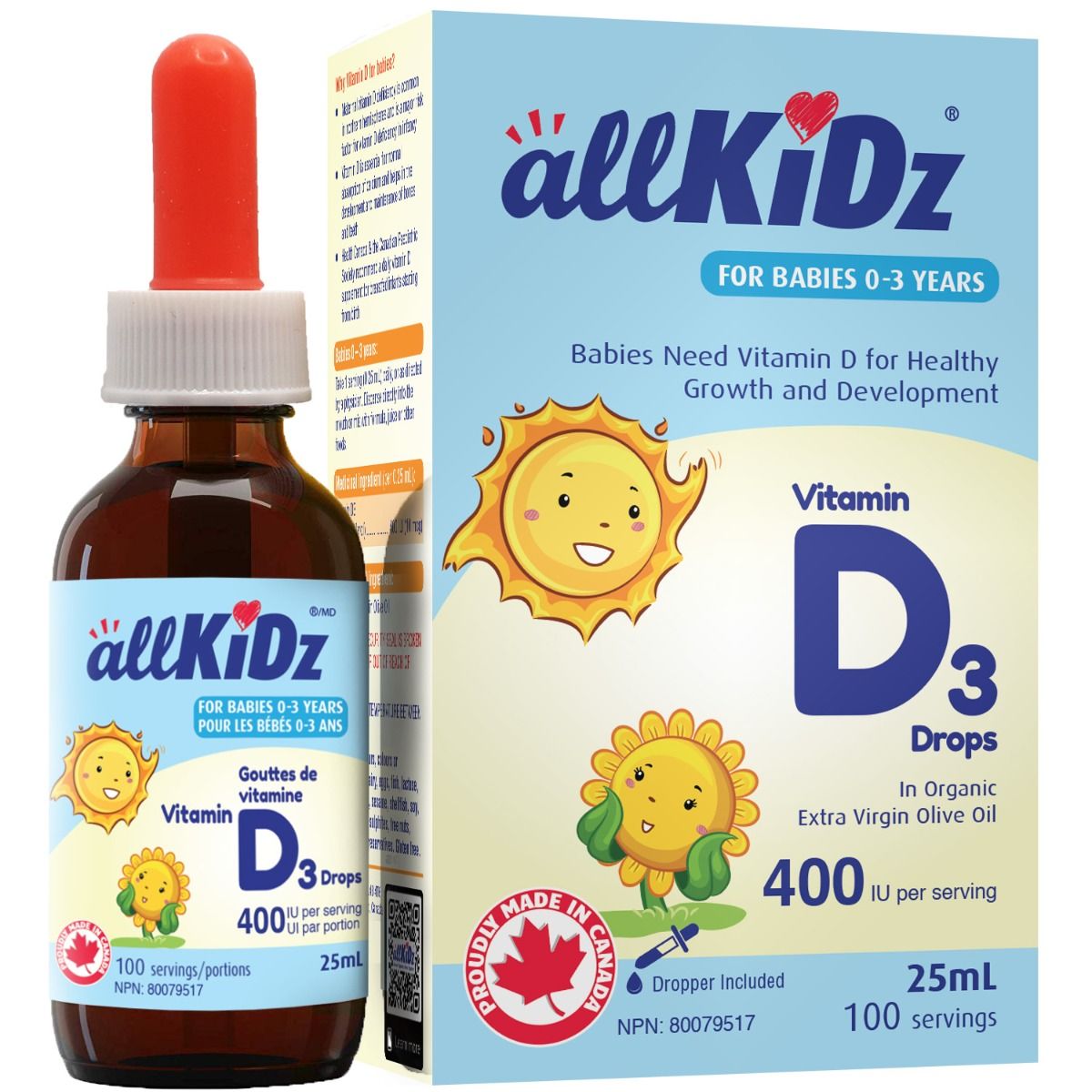
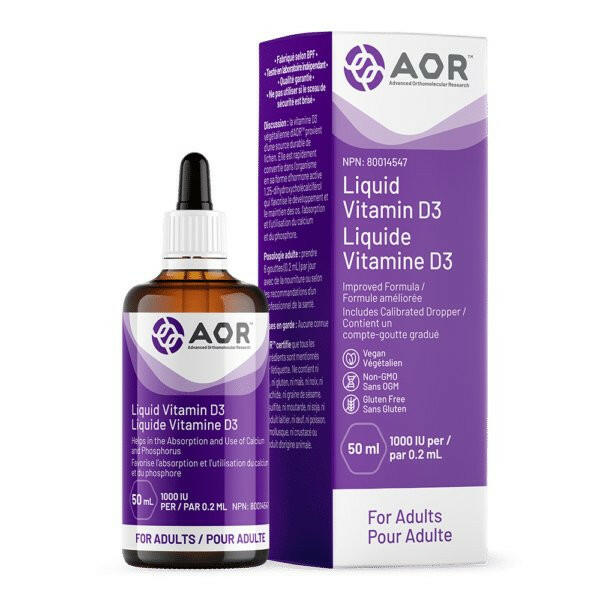
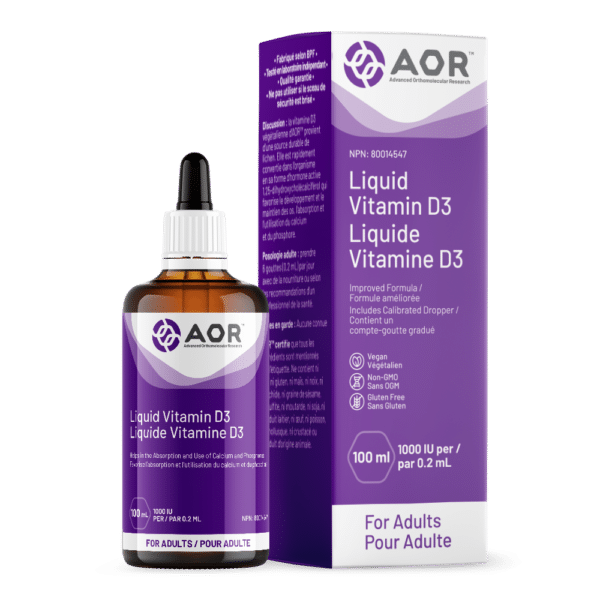
7. Vitamin D Drops
Liquid vitamin D supplements provide measured amounts of vitamin D per drop or serving.
Key Features:
-
Convenient liquid format
-
Available in adult and pediatric formulations
-
Different concentrations between brands
-
Useful for customers who prefer liquids
Best For: Customers seeking an alternative to capsules or tablets.
8. Vitamin D Gummies & Chewables
Chewable vitamin D supplements are available in selected strengths.
Key Features:
-
Convenient format
-
Adult and children's options
-
Different flavours
-
May contain added sugars or sweeteners
Best For: Customers who prefer chewable supplements.
VITAMIN D3 VS. VITAMIN D2
What Is Vitamin D3?
Vitamin D3, or cholecalciferol, is the form produced by the body through sunlight exposure.
What Is Vitamin D2?
Vitamin D2, or ergocalciferol, is commonly derived from UV-exposed fungi.
Which Form Raises Vitamin D Levels More Effectively?
Research generally indicates that vitamin D3 raises and maintains circulating 25-hydroxyvitamin D concentrations more effectively than vitamin D2 at comparable doses.
Is Vitamin D2 Effective?
Yes.
Vitamin D2 can improve vitamin D status when used appropriately.
Is Vitamin D3 Always Animal-Derived?
No.
Vegan vitamin D3 can be sourced from lichen.
Which Is Better for Vegans?
Both vegan vitamin D2 and verified lichen-derived vegan D3 can be appropriate options.
Which Should You Choose?
Consider dietary preferences, dose, product formulation, and individual nutritional needs.
VEGAN VITAMIN D2 VS. VEGAN VITAMIN D3
Vegan Vitamin D2
Usually sourced from fungi exposed to ultraviolet light.
Vegan Vitamin D3
Commonly sourced from lichen.
Are Both Suitable for Vegan Diets?
They can be, provided the complete product contains no animal-derived ingredients.
Does Vegan D3 Work Differently?
Lichen-derived D3 provides cholecalciferol, the same vitamin D3 compound used in conventional supplements.
What Should Vegans Check?
Review:
-
Vitamin D source
-
Capsule or softgel ingredients
-
Gelatin content
-
Carrier ingredients
-
Vegan certification or manufacturer information
Shopping Tip: Vegan shoppers do not need to limit themselves to vitamin D2. Lichen-derived vitamin D3 is another option.
VITAMIN D FOR BONE HEALTH
Calcium Absorption
Vitamin D helps increase intestinal calcium absorption.
Phosphorus Absorption
Vitamin D also supports normal phosphorus absorption.
Bone Mineralization
Adequate vitamin D is necessary for normal mineralization of bones.
Vitamin D Deficiency & Bone Weakness
Severe vitamin D deficiency can contribute to osteomalacia in adults and rickets in children.
Vitamin D & Osteoporosis
Adequate vitamin D and calcium intake are important components of bone-health nutrition.
Can Vitamin D Prevent Fractures?
Vitamin D supplementation alone has not consistently reduced fractures in generally healthy, vitamin D-replete adults.
Benefits depend on factors such as baseline deficiency, calcium intake, age, and individual medical circumstances.
Does Everyone Need High-Dose Vitamin D for Bones?
No.
Appropriate supplementation should be based on individual nutritional requirements and risk factors.
VITAMIN D & IMMUNE FUNCTION
Vitamin D Receptors
Vitamin D receptors are present in multiple immune cell types.
Innate Immune Function
Vitamin D participates in pathways involved in innate immune responses.
Adaptive Immune Function
Vitamin D also influences processes associated with adaptive immune regulation.
Does Vitamin D Boost Immunity?
Vitamin D supports normal immune function, but additional supplementation does not necessarily improve immune outcomes in people with adequate vitamin D status.
Can Vitamin D Prevent Colds or Flu?
Clinical evidence is mixed, and vitamin D supplements should not be presented as guaranteed methods of preventing respiratory infections.
Can Vitamin D Treat Viral Infections?
Vitamin D supplementation is not an established standalone treatment for viral infections.
VITAMIN D FOR MUSCLE HEALTH
Vitamin D & Muscle Function
Vitamin D contributes to normal muscle function.
Vitamin D Deficiency & Weakness
Significant deficiency may be associated with muscle weakness.
Does Vitamin D Improve Strength?
Correcting deficiency may improve deficiency-related muscle symptoms.
However, routine supplementation does not consistently increase muscle strength in individuals with adequate vitamin D status.
Vitamin D & Fall Prevention
High-dose intermittent vitamin D supplementation is not recommended as a general strategy for preventing falls and may be harmful in some circumstances.
Vitamin D for Active Adults
Adequate vitamin D supports normal nutritional requirements, but higher doses have not been established as universal performance enhancers.
VITAMIN D & MOOD HEALTH
Why Is Vitamin D Associated With Mood?
Vitamin D receptors and vitamin D-related pathways are present in tissues involved in neurological function.
Vitamin D & Seasonal Changes
Vitamin D status can vary with sunlight exposure, which may be lower during Canadian fall and winter months.
Does Vitamin D Improve Mood?
Research has examined associations between vitamin D status and mood, but supplementation has not consistently demonstrated meaningful antidepressant effects.
Can Vitamin D Treat Seasonal Affective Disorder?
Vitamin D supplements are not an established treatment for seasonal affective disorder.
What About Cognitive Health?
Vitamin D has been studied in relation to cognition, but evidence does not establish routine supplementation as a reliable method of improving memory or preventing dementia.
When to Seek Assessment
Persistent low mood, depression, or cognitive changes should receive appropriate medical evaluation.
VITAMIN D & CALCIUM
Why Are They Commonly Combined?
Vitamin D supports calcium absorption, while calcium is a major mineral component of bones and teeth.
Is Vitamin D Effective Without Calcium?
Vitamin D has important physiological functions independently, but adequate calcium intake is necessary for normal bone mineralization.
Does Everyone Need a Combination Supplement?
No.
Some individuals obtain sufficient calcium through food and may only need vitamin D supplementation.
What About Older Adults?
Calcium and vitamin D requirements should be considered alongside diet, age, and medical history.
Can Too Much Calcium Be Harmful?
Excessive calcium intake may cause adverse effects, including an increased risk of kidney stones in certain circumstances.
VITAMIN D3 & VITAMIN K2
What Is Vitamin K2?
Vitamin K2 refers to a group of menaquinones involved in vitamin K-dependent physiological processes.
Why Are D3 and K2 Combined?
Vitamin D and vitamin K have distinct roles in bone-related metabolism.
Does K2 Improve Vitamin D Absorption?
Vitamin K2 has not been established as a necessary ingredient for vitamin D absorption.
Does K2 Direct Calcium Into Bones?
This popular marketing description oversimplifies complex physiological processes.
Can D3 + K2 Prevent Arterial Calcification?
Evidence does not establish that routine D3 + K2 supplementation reliably prevents arterial calcification or cardiovascular events.
Who Should Use Caution?
Vitamin K supplements may interfere with vitamin K antagonist anticoagulants, including warfarin.
Important: Individuals using warfarin should not start vitamin K-containing supplements without professional guidance.
VITAMIN D DEFICIENCY
What Is Vitamin D Deficiency?
Vitamin D deficiency occurs when vitamin D availability is insufficient to support normal physiological requirements.
Possible Symptoms
Significant deficiency may be associated with:
-
Bone pain
-
Muscle weakness
-
Skeletal abnormalities
-
Other deficiency-related symptoms
Mildly low vitamin D levels may not cause obvious symptoms.
Who May Be at Risk?
Risk may be increased by:
-
Limited sunlight exposure
-
Certain malabsorption conditions
-
Older age
-
Some medical conditions
-
Certain medications
-
Low dietary vitamin D intake
-
Other individual risk factors
Vitamin D Deficiency in Children
Severe deficiency can cause rickets.
Vitamin D Deficiency in Adults
Severe deficiency can contribute to osteomalacia.
Why Diagnosis Matters
Fatigue, low mood, and muscle discomfort have many possible causes and should not automatically be attributed to vitamin D deficiency.
VITAMIN D IN CANADA
Northern Latitude & Sunlight
UVB exposure varies by season, latitude, time of day, weather, and other factors.
Fall & Winter
Vitamin D production through sunlight may be limited during colder months in many Canadian regions.
Indoor Lifestyles
People who spend substantial time indoors may have less opportunity for sunlight-related vitamin D production.
Dietary Sources
Fortified foods and selected animal foods contribute to vitamin D intake.
Supplementation
Vitamin D supplements can help individuals meet nutritional requirements when food intake is insufficient.
Sun Safety
Excessive ultraviolet exposure increases skin cancer risk. Intentional unprotected sun exposure is not recommended as a vitamin D supplementation strategy.
FOOD SOURCES OF VITAMIN D
Fatty Fish
Salmon, trout, sardines, and other fatty fish can provide vitamin D.
Egg Yolks
Egg yolks contain vitamin D in varying amounts.
Fortified Milk
Fortified dairy milk contributes vitamin D.
Fortified Plant-Based Beverages
Selected fortified plant-based beverages provide vitamin D.
UV-Exposed Mushrooms
Certain mushrooms exposed to ultraviolet light provide vitamin D2.
Fortified Foods
Some Canadian foods contain added vitamin D.
Nutritional Tip: A combination of vitamin D-containing foods and appropriate supplementation can help meet daily requirements.
UNDERSTANDING VITAMIN D DOSAGE
Vitamin D Units
Vitamin D supplements are commonly labelled in International Units (IU) or micrograms (mcg).
1 mcg vitamin D = 40 IU
Recommended Daily Intake
For generally healthy individuals:
| Age Group | Recommended Daily Intake |
|---|---|
| Infants 0–12 months | 400 IU (10 mcg) |
| Children 1–18 years | 600 IU (15 mcg) |
| Adults 19–70 years | 600 IU (15 mcg) |
| Adults 71 years and older | 800 IU (20 mcg) |
| Pregnancy & breastfeeding, ages 19–50 | 600 IU (15 mcg) |
These are general dietary reference intakes, not individualized treatment doses.
Common Supplement Strengths
Vitamin D products may be available in strengths such as:
-
400 IU (10 mcg)
-
800 IU (20 mcg)
-
1,000 IU (25 mcg)
-
2,000 IU (50 mcg)
-
2,500 IU (62.5 mcg)
-
4,000 IU (100 mcg)
Higher strengths may also be available.
Upper Intake Limit
For adults aged 19 years and older, the established tolerable upper intake level is generally:
4,000 IU (100 mcg) daily
This is not a recommended daily target.
Is 1,000 IU Enough?
The appropriate amount depends on dietary intake, age, individual risk factors, and medical circumstances.
Is 2,000 IU Safe?
For many adults, 2,000 IU is below the established upper intake level, but it is not automatically necessary or appropriate for everyone.
What About Higher Doses?
Higher-dose vitamin D supplementation should follow appropriate professional guidance.
VITAMIN D BLOOD TESTING
What Test Measures Vitamin D Status?
The standard laboratory marker is serum 25-hydroxyvitamin D, also called 25(OH)D.
Does Everyone Need Testing?
No.
Routine vitamin D testing is not recommended for every healthy adult.
Who May Need Testing?
Testing may be appropriate in selected individuals with relevant medical conditions, suspected deficiency, malabsorption, or other clinical indications.
What Is an Optimal Vitamin D Level?
Interpretation depends on clinical circumstances and professional guidelines.
There is no universally accepted higher target that provides additional benefits for everyone.
Can Testing Guide Treatment?
Yes, when clinically indicated, testing may help guide supplementation and follow-up.
HOW TO CHOOSE VITAMIN D SUPPLEMENTS
-
Identify Your Goal: General vitamin D nutrition, bone health, diagnosed deficiency, or a specific professional recommendation.
-
Choose D3 or D2: Compare cholecalciferol and ergocalciferol.
-
Consider Vegan Options: Look for lichen-derived D3 or suitable D2 formulations.
-
Review the Strength: Compare IU or micrograms per serving.
-
Choose Your Preferred Format: Softgels, capsules, drops, gummies, or tablets.
-
Consider Combination Formulas: Compare D3 + K2 or vitamin D with calcium.
-
Review Other Supplements: Multivitamins and bone-health products may already contain vitamin D.
-
Check the Source: Confirm whether the vitamin D and capsule ingredients meet dietary preferences.
-
Consider Medical Conditions: Kidney disease, calcium disorders, and certain other conditions may affect supplementation.
-
Check Canadian Authorization: Review the product's NPN or DIN and authorized conditions of use.
-
Seek Professional Guidance: Particularly for high-dose supplementation or suspected deficiency.
AVAILABLE PRODUCT FORMATS
Vitamin D3 Softgels
Cholecalciferol supplements in softgel form.
Vitamin D3 Capsules & Tablets
Conventional vitamin D3 products in different strengths.
Vitamin D2 Supplements
Ergocalciferol formulations.
Vegan Vitamin D3
Lichen-derived cholecalciferol supplements.
Liquid Vitamin D Drops
Measured liquid formulations for adults and children.
Vitamin D Gummies
Chewable supplements in selected strengths.
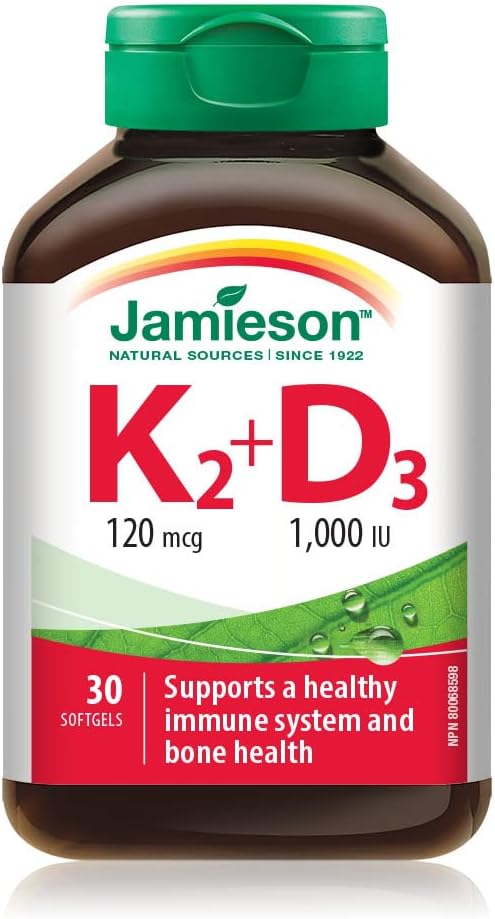
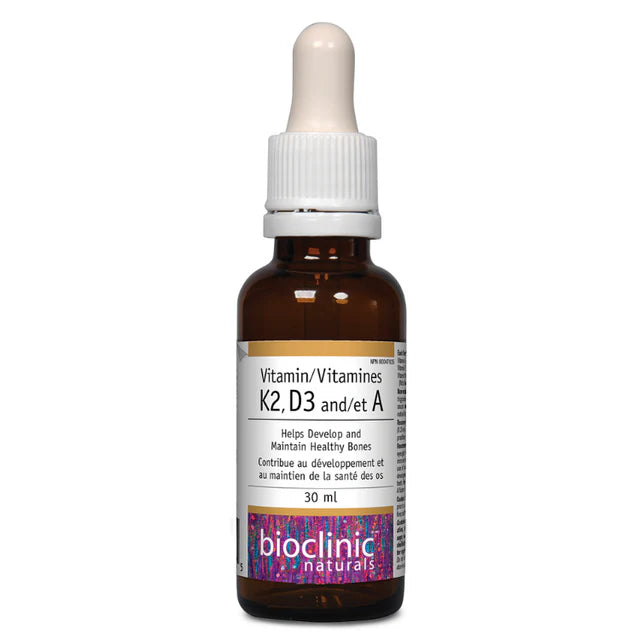
Vitamin D3 + K2
Combination formulas containing cholecalciferol and menaquinones.
Vitamin D With Calcium
Combination bone-health supplements.
High-Potency Vitamin D
Higher-strength formulations for appropriate use.
Children's Vitamin D
Age-specific products with appropriate concentrations and dosing directions.
HOW TO USE VITAMIN D SUPPLEMENTS
Follow the Canadian Product Label
Use the recommended serving size and frequency.
Consider Taking With Food
Vitamin D is fat-soluble, and taking it with a meal containing some fat may support absorption.
Check the Concentration of Drops
Liquid vitamin D products may provide different amounts per drop or millilitre.
Review Total Daily Intake
Check vitamin D amounts in multivitamins, calcium formulas, and other supplements.
Avoid Unnecessary High Doses
Higher doses are not automatically more effective.
Consider Individual Requirements
Age, diet, medical conditions, and deficiency status may influence appropriate intake.
Reassess Long-Term Use
Review whether the dose remains appropriate over time.
CAUTIONS & WARNINGS
-
Vitamin D Toxicity: Excessive supplementation can cause elevated blood calcium levels.
-
Hypercalcemia: Too much vitamin D may lead to nausea, weakness, excessive thirst, frequent urination, and other complications.
-
Kidney Disease: Supplementation may require professional monitoring.
-
Kidney Stones: Individuals with certain risk factors should review calcium and vitamin D supplementation with a healthcare professional.
-
Granulomatous Disorders: Certain medical conditions may increase sensitivity to vitamin D.
-
High-Dose Supplements: Avoid prolonged excessive intake without appropriate guidance.
-
Vitamin K2 & Warfarin: Vitamin K-containing products may interfere with anticoagulant treatment.
-
Medication Interactions: Some medications can affect vitamin D metabolism or calcium balance.
-
Pregnancy & Breastfeeding: Follow appropriate nutritional recommendations.
-
Infants & Children: Use age-appropriate formulations and carefully measure liquid doses.
-
Multiple Supplements: Check overlapping vitamin D content.
-
Allergies & Dietary Restrictions: Review lanolin, fish-derived ingredients, gelatin, and other components.
-
Canadian Authorization: Follow the exact product's NPN- or DIN-authorized indications, directions, and warnings.
WHY SHOP VITAMIN D AT COAL HARBOUR PHARMACY?
-
Selection of vitamin D2 and vitamin D3 supplements where available.
-
Conventional and vegan vitamin D options.
-
Different strengths and product formats.
-
Vitamin D3 + K2 and vitamin D with calcium combinations.
-
Convenient comparison of drops, softgels, capsules, and gummies.
-
Access to a licensed Vancouver pharmacy.
-
Shipping to eligible Canadian destinations.
-
Product information to support informed supplement choices.
FREQUENTLY ASKED QUESTIONS
What is vitamin D good for?
Vitamin D supports calcium and phosphorus absorption, normal bone mineralization, muscle function, and immune system regulation.
What is the difference between vitamin D2 and vitamin D3?
Vitamin D2 is ergocalciferol, commonly derived from fungi, while vitamin D3 is cholecalciferol, which can be animal-derived or sourced from lichen.
Which is better, vitamin D2 or D3?
Vitamin D3 generally raises and maintains blood vitamin D levels more effectively than D2 at comparable doses.
Is vitamin D3 available in vegan form?
Yes. Vegan vitamin D3 can be sourced from lichen.
Is vitamin D2 suitable for vegans?
Vitamin D2 is commonly derived from fungi, but the complete product should be checked for animal-derived ingredients.
Does vitamin D help bone health?
Yes. Vitamin D is essential for calcium absorption and normal bone mineralization.
Does vitamin D support immunity?
Yes. Vitamin D participates in normal immune function, but supplementation does not guarantee prevention of infections.
Can vitamin D improve mood?
Vitamin D has been studied in relation to mood, but supplementation is not an established general treatment for depression or seasonal affective disorder.
How much vitamin D should adults take?
The general recommended dietary intake is 600 IU daily for adults aged 19–70 and 800 IU for adults aged 71 and older. Individual supplementation needs may differ.
Is 1,000 IU of vitamin D safe?
For many adults, 1,000 IU is below the established upper intake level, but suitability depends on individual circumstances.
Is 2,000 IU of vitamin D too much?
For most adults, 2,000 IU is below the established upper intake level of 4,000 IU, but it may not be necessary for everyone.
What is vitamin D3 + K2?
It is a combination supplement containing vitamin D3 and vitamin K2, commonly marketed for bone-health nutrition.
Do I need vitamin K2 with vitamin D3?
Not necessarily. Vitamin K2 is not required for vitamin D absorption.
Are vitamin D drops better than softgels?
Both can be effective. The appropriate choice depends on dose, formulation, preference, and individual needs.
Should vitamin D be taken with food?
Taking vitamin D with a meal containing some fat may support absorption.
Do I need a vitamin D blood test?
Not everyone requires testing. It may be appropriate in selected medical circumstances.
SHOP VITAMIN D SUPPLEMENTS
Discover Vitamin D3 (Cholecalciferol), Vitamin D2 (Ergocalciferol), vegan vitamin D3, vitamin D drops, softgels, gummies, D3 + K2, and vitamin D with calcium at Coal Harbour Pharmacy.
Compare vitamin D forms, strengths, dietary suitability, product formats, and Canadian-authorized indications to find a supplement suited to your nutritional needs.
Essential vitamin D nutrition for strong bones, healthy muscles, and normal immune function.
RELATED COLLECTIONS
-
Vitamin D3 (Cholecalciferol) – Standalone vitamin D3 supplements, including softgels, drops, and capsules.
-
Vitamin D3 + K2 – Combination supplements containing cholecalciferol and vitamin K2.
-
Calcium Supplements – Calcium formulas for normal bone and teeth health.
-
Bone & Joint Health Supplements – Nutritional products for bone maintenance and musculoskeletal wellness.
-
Immune Support Supplements – Vitamins, minerals, and nutritional formulas for normal immune function.
Shop Vitamin D Supplements →
Sort by
107 products






FREE STANDARD SHIPPING
Satisfied or refunded
Top-notch support
Secure payments
Encrypted checkout processing
Offers exclude prescriptions and in-store purchases.
Subscribe & Get a First-Order Reward
Plus, earning reward points on eligible online purchases and enjoy future store credit.
We respect your inbox at Coal Harbour Pharmacy - Expect thoughtfully curated health and wellness updates, timely reminders, and exclusive online savings.