
Mood Balance – Stress, Calm & Emotional Wellness Support
Explore pharmacist-curated mood balance supplements featuring magnesium, L-theanine, 5-HTP, GABA, adaptogenic herbs, B vitamins, and calming botanicals selected to support everyday stress resilience, relaxation, nervous-system function, and emotional well-being.
────────────────────────────────────
About Mood Balance
Mood and emotional well-being are influenced by a complex interaction of brain signalling, sleep, stress, hormones, nutrition, physical activity, medications, life circumstances, and underlying health conditions.
The Mood Balance collection at Coal Harbour Pharmacy brings together nutritional supplements and botanical formulas intended to complement these foundations and support everyday emotional wellness, relaxation, and healthy responses to stress.
Common ingredients include magnesium, L-theanine, 5-HTP, GABA, B vitamins, ashwagandha, rhodiola, saffron, lemon balm, passionflower, and other calming or adaptogenic botanicals.
These ingredients work through different physiological pathways. They should not be described collectively as simply “balancing neurotransmitters,” and supplements should not substitute for appropriate care for depression, anxiety disorders, bipolar disorder, or other mental health conditions.
Key Benefits
Depending on the ingredient and formulation, mood-support supplements may:
• Support everyday emotional well-being
• Promote relaxation and a sense of calm
• Support healthy nervous-system function
• Complement strategies for managing everyday stress
• Support mental focus during demanding periods
• Help maintain healthy sleep and relaxation routines
• Support normal energy metabolism when relevant nutrients are inadequate
• Complement lifestyle strategies for emotional resilience
Effects vary considerably among ingredients and individuals.
Who It’s Ideal For
This collection may appeal to adults who:
• Experience periods of everyday stress
• Want nutritional support for emotional wellness
• Have demanding work, study, or lifestyle schedules
• Want to support relaxation without relying exclusively on stimulants
• Are building a broader stress-management routine
• Want support for calm focus during demanding periods
• Experience occasional stress-related difficulty winding down
• Are interested in adaptogenic or calming botanical formulas
Persistent, severe, or worsening emotional symptoms should be assessed rather than managed solely with supplements.
Understanding Mood & Emotional Wellness
Mood is not controlled by one neurotransmitter or nutrient.
Emotional well-being can be influenced by:
• Genetics
• Psychological health
• Stress exposure
• Sleep quality
• Physical activity
• Social connection
• Hormonal changes
• Nutritional status
• Alcohol and substance use
• Medications
• Thyroid and other medical conditions
• Major life events
This is why claims that a supplement simply “raises serotonin,” “balances dopamine,” or “corrects a chemical imbalance” can be misleading.
Stress Support
The stress response involves coordinated activity across the nervous system, endocrine system, cardiovascular system, and other tissues.
Short-term stress is a normal adaptive response.
Problems can arise when stress is persistent, overwhelming, or begins interfering with:
• Sleep
• Concentration
• Relationships
• Work or school
• Appetite
• Physical health
• Everyday functioning
Supplements may complement stress-management strategies, but they cannot remove the source of chronic stress or replace psychological or medical care when needed.
Calm & Relaxation
Calming formulas may contain ingredients such as:
• L-theanine
• Magnesium
• Lemon balm
• Passionflower
• Valerian
• Lavender
• GABA
These ingredients differ substantially in their mechanisms and evidence.
Some may be better suited to daytime relaxation, while others can cause drowsiness and may be more appropriate for evening use.
“Calming” should therefore not automatically be interpreted as “non-sedating.”
L-Theanine
L-theanine is an amino acid naturally present in tea, particularly Camellia sinensis.
Research has investigated L-theanine for:
• Relaxed wakefulness
• Stress responses
• Attention
• Sleep quality
• Calm focus
Some studies suggest it may support relaxation without the degree of sedation associated with conventional sedatives.
However, individual responses vary, and L-theanine should not be presented as a treatment for anxiety disorders.
Magnesium
Magnesium is an essential mineral involved in hundreds of enzymatic reactions and contributes to:
• Normal nervous-system function
• Normal muscle function
• Energy metabolism
• Electrolyte balance
• Protein synthesis
Magnesium supplements are frequently included in stress and relaxation routines.
However, magnesium deficiency and psychological stress are not interchangeable, and taking additional magnesium does not necessarily improve mood when nutritional requirements are already met.
Magnesium Glycinate
Magnesium glycinate is popular in relaxation and nighttime formulas because it is generally well tolerated and provides magnesium in an amino-acid complex.
It may be useful for meeting magnesium requirements, but the term “glycinate” does not establish that a product will treat stress, anxiety, or insomnia.
The amount of elemental magnesium provided remains an important consideration.
5-HTP
5-hydroxytryptophan, or 5-HTP, is an intermediate in the pathway used by the body to synthesize serotonin.
The simplified pathway is:
Tryptophan → 5-HTP → Serotonin
Its biochemical relationship with serotonin has led to research into mood and sleep applications.
However, taking 5-HTP should not be equated with safely or predictably “boosting serotonin.”
This ingredient deserves particular attention because of potential interactions with serotonergic medications.
5-HTP & Medication Interactions
Combining 5-HTP with medications or supplements that affect serotonin can potentially create excessive serotonergic activity.
Professional guidance is especially important for people using:
• SSRIs
• SNRIs
• MAO inhibitors
• Tricyclic antidepressants
• Certain migraine medications
• Other serotonergic medicines
• Multiple serotonin-related supplements
Symptoms suggesting serotonin toxicity require urgent medical attention.
GABA
Gamma-aminobutyric acid, or GABA, is a major inhibitory neurotransmitter in the central nervous system.
Supplemental GABA is commonly marketed for relaxation and stress support.
However, the relationship between orally consumed GABA, absorption, the blood-brain barrier, and subjective effects remains an active area of research.
The physiological importance of GABA in the brain does not automatically mean oral GABA supplements reproduce the effects of endogenous GABA.
B Vitamins
B vitamins participate in numerous processes relevant to neurological function and metabolism.
Depending on the vitamin, these include:
• Energy metabolism
• Neurotransmitter synthesis pathways
• DNA synthesis
• Red blood cell formation
• Homocysteine metabolism
• Normal nervous-system function
Correcting a deficiency can be important, but taking increasingly high doses does not necessarily produce a better mood.
Vitamin B6
Vitamin B6 participates in amino-acid metabolism and pathways involved in neurotransmitter synthesis.
It is commonly included in mood, stress, and premenstrual formulas.
However, chronic excessive supplemental vitamin B6 can cause peripheral nerve injury, so total intake from multiple products should be reviewed.
Vitamin B12 & Folate
Vitamin B12 and folate contribute to normal neurological function, red blood cell production, and one-carbon metabolism.
Deficiencies can sometimes contribute to neurological or psychological symptoms.
However, fatigue or low mood should not automatically be attributed to B12 or folate deficiency without considering other causes.
Adaptogenic Herbs
“Adaptogen” is a term commonly used for certain botanicals traditionally or commercially associated with stress resilience.
Examples include:
• Ashwagandha
• Rhodiola
• Panax ginseng
• Eleuthero
• Holy basil
These herbs are not interchangeable.
They have different constituents, traditional uses, research profiles, cautions, and potential medication interactions.
An adaptogen should not be described as automatically “normalizing cortisol” or correcting an undefined stress imbalance.
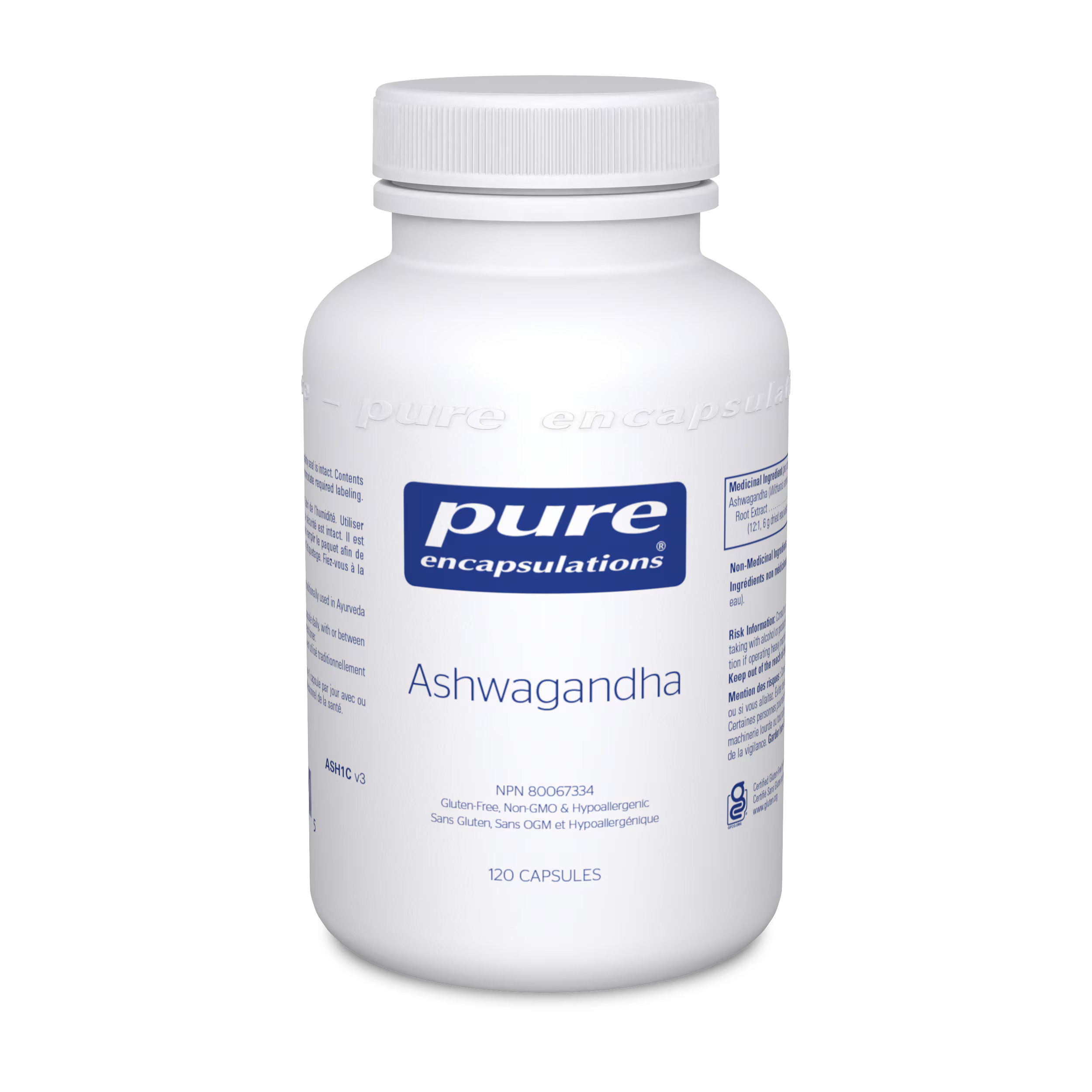
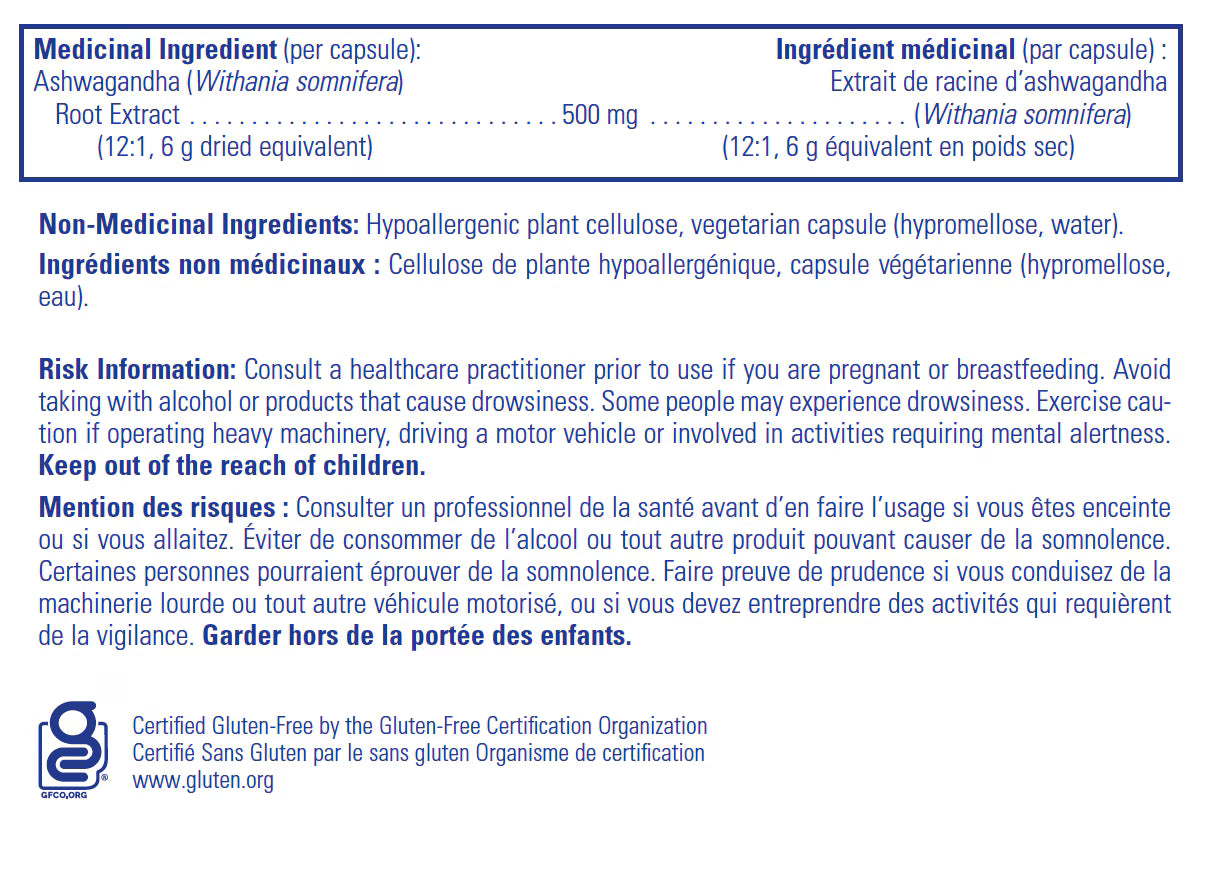
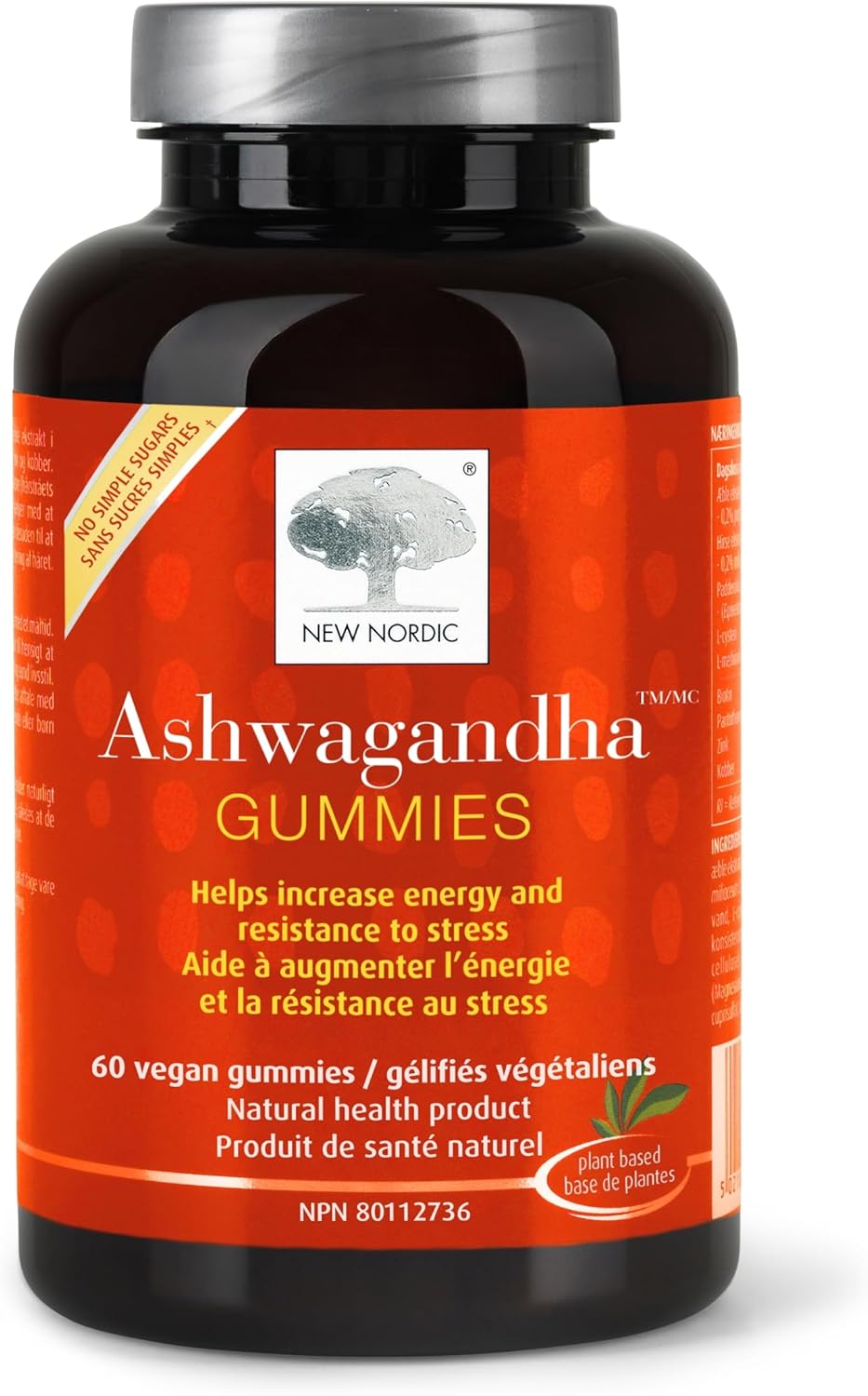
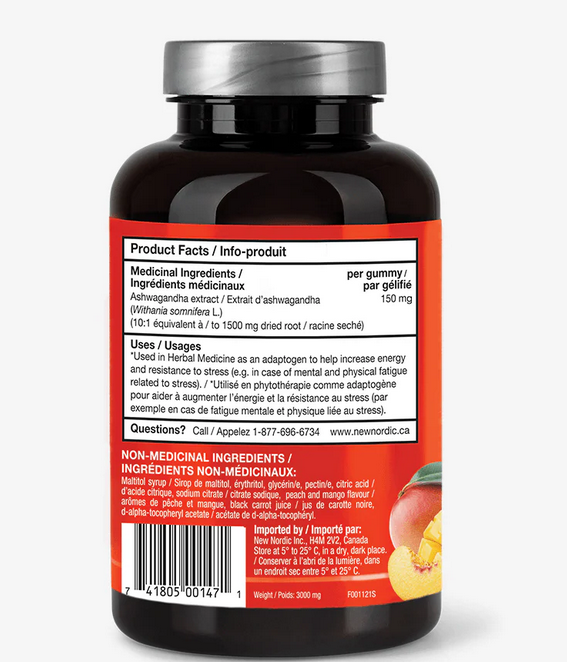
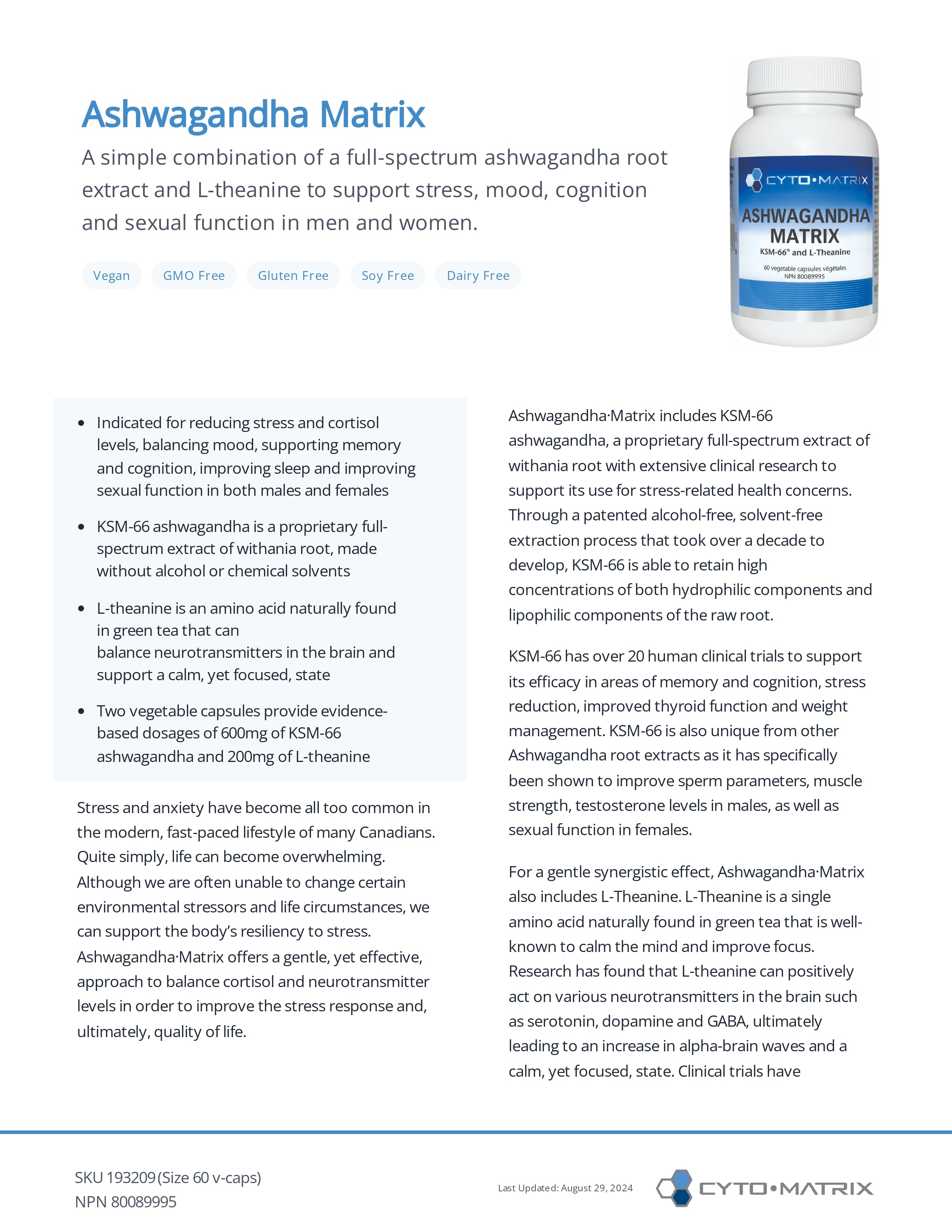
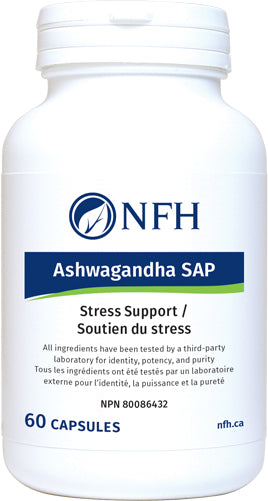
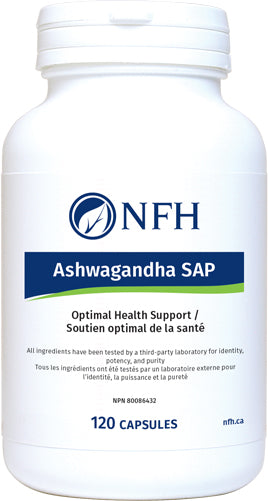
Ashwagandha
Ashwagandha (Withania somnifera) has a long history of use in Ayurvedic medicine.
Clinical research has investigated standardized extracts for outcomes including:
• Perceived stress
• Sleep
• Anxiety-related symptoms
• Physical performance
Results from selected studies are encouraging, but they cannot be generalized to every ashwagandha preparation.
Ashwagandha can also affect thyroid physiology and may not be appropriate for everyone.
Rhodiola
Rhodiola (Rhodiola rosea) is traditionally associated with resilience during physical and mental stress.
Research has investigated it for:
• Stress-related fatigue
• Mental performance
• Perceived stress
• Physical performance
Evidence varies by preparation and outcome.
Rhodiola should not be presented as an antidepressant or as a guaranteed solution for burnout.
Saffron
Saffron (Crocus sativus) has received increasing research interest for emotional wellness.
Certain standardized saffron preparations have been investigated in clinical trials involving mood-related outcomes.
This is a promising area of research, but saffron supplements should not replace prescribed antidepressants or professional mental-health treatment.
Formulation and dose also matter when interpreting the research.
Lemon Balm
Lemon balm (Melissa officinalis) has traditionally been used for relaxation and digestive comfort.
Research has also explored its effects on:
• Calmness
• Stress
• Cognitive performance
• Sleep-related outcomes
Effects can vary by extract and dose, and some formulations may cause drowsiness.
Passionflower
Passionflower is traditionally used as a calming botanical and has been investigated for anxiety-related and sleep-related outcomes.
Clinical evidence remains more limited than for established medical treatments.
Because of possible sedative effects, caution is appropriate when combining passionflower with alcohol, sedating medications, or other strongly calming products.
Valerian
Valerian is commonly used in nighttime relaxation and sleep formulas.
Evidence for sleep outcomes is mixed, and response varies.
Valerian may cause drowsiness in some individuals and should not automatically be grouped with supplements intended for daytime “calm focus.”
Mood & Sleep
Sleep and emotional health have a close, bidirectional relationship.
Poor sleep can affect:
• Emotional regulation
• Stress tolerance
• Concentration
• Energy
• Irritability
• Motivation
At the same time, stress and mental-health conditions can interfere with sleep.
Supporting sleep habits may therefore improve overall well-being, but sleep supplements should not be expected to resolve an underlying mood disorder.
Mood & Exercise
Regular physical activity is one of the most useful lifestyle strategies for supporting mental and physical well-being.
Depending on the individual, exercise can contribute to:
• Stress management
• Sleep quality
• Physical confidence
• Cognitive health
• Social connection
• General emotional wellness
Supplements are best considered alongside—not instead of—these foundational behaviours.
Mood & Nutrition
Dietary patterns can influence overall health and nutritional status.
Important nutritional foundations include:
• Adequate energy intake
• Sufficient protein
• Essential fatty acids
• Vitamins and minerals
• Fibre-rich foods
• Regular meals when appropriate
Highly restrictive diets can sometimes contribute to nutrient inadequacy.
However, there is no single food or supplement stack proven to create a consistently positive mood.
Omega-3 Fatty Acids
EPA and DHA are omega-3 fatty acids involved in cell membranes and numerous physiological processes.
They have been extensively studied in cardiovascular health and also investigated in relation to mood.
Research into mood-related applications is nuanced and varies by population, EPA/DHA composition, dose, and concurrent treatment.
Omega-3 supplements should not replace treatment for depression or other psychiatric conditions.
Mood & Hormonal Changes
Emotional changes can occur alongside:
• Menstrual-cycle changes
• Premenstrual symptoms
• Pregnancy and postpartum changes
• Perimenopause
• Menopause
Hormones can influence mood, but new emotional symptoms should not automatically be attributed to “hormonal imbalance.”
Severe cyclical mood symptoms, postpartum depression, or significant mood changes during perimenopause deserve appropriate assessment.
Stress vs Anxiety
Everyday stress and an anxiety disorder are not the same.
Stress often relates to identifiable demands or circumstances and may improve as the situation changes.
Anxiety can become persistent, excessive, difficult to control, or disproportionate to the immediate situation.
Symptoms that significantly interfere with daily life warrant professional assessment rather than relying solely on stress supplements.
Low Mood vs Depression
Occasional sadness, disappointment, or emotional fatigue can occur as part of normal life.
Clinical depression is different and may involve persistent symptoms such as:
• Low mood
• Loss of interest or pleasure
• Changes in sleep or appetite
• Fatigue
• Difficulty concentrating
• Feelings of worthlessness or hopelessness
• Significant impairment in daily functioning
Supplements marketed for “mood” should not be used as a substitute for assessment and evidence-based treatment when depression is suspected.
Mood Supplements & Antidepressants
People taking antidepressants should not automatically add mood supplements.
Potentially relevant ingredients include:
• 5-HTP
• L-tryptophan
• St. John’s wort
• SAMe
• Saffron
• Rhodiola
• Other botanicals
Interactions can involve serotonin, medication metabolism, sedation, or other pathways.
Consult a pharmacist or healthcare professional before combining these products with psychiatric medications.
St. John’s Wort
St. John’s wort is an important example of why “natural” does not mean interaction-free.
It can alter drug-metabolizing enzymes and transporters and may significantly interact with medications including:
• Antidepressants
• Oral contraceptives
• Anticoagulants
• Transplant medications
• Certain HIV medications
• Other prescription drugs
It should not be casually added to a general mood stack.
Mood Supplements & Bipolar Disorder
People with bipolar disorder should use particular caution with supplements marketed for mood enhancement.
Certain products may interact with medications or potentially affect mood stability.
A history of mania, hypomania, or bipolar disorder warrants professional guidance before introducing mood-directed supplements.
Non-Sedating vs Sedating Support
Not every mood or stress supplement has the same effect on alertness.
Products commonly selected for daytime use may include ingredients such as L-theanine or certain adaptogens.
Nighttime formulas may include more sedating botanicals.
Even products marketed as “non-drowsy” can affect individuals differently.
Do not drive or operate machinery if a new supplement causes drowsiness, dizziness, or impaired concentration.
How to Choose a Mood Balance Supplement
Define the Main Goal
Determine whether the priority is:
• Everyday stress
• Daytime calm
• Emotional wellness
• Mental fatigue
• Evening relaxation
• Sleep-related support
Choose Ingredients With a Clear Purpose
Avoid selecting a complicated formula simply because it contains more ingredients.
Check Existing Supplements
Review multivitamins, magnesium products, sleep formulas, adaptogens, and B-complex products for duplication.
Review Medications
This is particularly important with antidepressants, sedatives, stimulants, thyroid medications, and other psychiatric or neurological drugs.
Consider Timing
A product intended for daytime calm may require a different approach from one intended for nighttime relaxation.
Reassess
If emotional symptoms are persistent or worsening, reconsider whether supplementation is the appropriate strategy.
A Broader Mood-Support Routine
Supplements are only one potential component of emotional wellness.
Important foundations can include:
• Consistent sleep
• Regular physical activity
• Adequate nutrition
• Appropriate caffeine intake
• Moderate or minimal alcohol use
• Social connection
• Time outdoors
• Stress-management techniques
• Psychological support when needed
• Appropriate medical care
These factors generally matter more than building a large supplement stack.
Safety & Precautions
Professional guidance is particularly important for people who:
• Take antidepressants or other psychiatric medications
• Take sedatives or sleep medications
• Have bipolar disorder
• Have a seizure disorder
• Have thyroid disease
• Are pregnant or breastfeeding
• Use multiple mood or sleep supplements
• Take medications with significant herbal interactions
• Are preparing for surgery
• Have persistent or unexplained psychological symptoms
Follow the individual Canadian product label for dosing and safety information.
When to Seek Professional Support
Speak with a healthcare professional when emotional symptoms:
• Persist for several weeks
• Repeatedly interfere with work, school, or relationships
• Significantly affect sleep or appetite
• Cause substantial anxiety or panic
• Include marked mood swings
• Occur alongside suspected medication side effects
• Appear after a major hormonal or medical change
• Continue despite reasonable self-care strategies
If someone is experiencing thoughts of suicide or self-harm, severe agitation, psychosis, mania, or an immediate mental-health crisis, seek urgent professional or emergency support rather than relying on supplements.
FAQs
What are mood balance supplements?
They are nutritional and botanical products intended to support aspects of emotional wellness, stress response, relaxation, or normal nervous-system function. Different ingredients work through different pathways.
What supplements are commonly used for stress and mood support?
Common ingredients include magnesium, L-theanine, certain B vitamins, 5-HTP, GABA, omega-3s, saffron, ashwagandha, rhodiola, lemon balm, and other botanicals. Evidence and safety vary substantially.
Does 5-HTP increase serotonin?
5-HTP is a biochemical precursor used in serotonin synthesis, but its effects should not be reduced to a simple or predictable “serotonin boost.” It also has important interactions with serotonergic medications.
Can I take mood supplements with antidepressants?
Do not assume the combination is safe. 5-HTP, St. John’s wort, SAMe, tryptophan, and certain botanicals can be particularly relevant to medication interactions.
Is L-theanine sedating?
L-theanine is commonly used for relaxed wakefulness and may be less sedating than many nighttime botanicals, but individual responses can differ.
Does magnesium help with mood?
Magnesium is essential for normal nervous-system and metabolic function. Correcting inadequate intake is important, but supplemental magnesium should not be considered a treatment for depression or anxiety.
Do adaptogens lower cortisol?
Not predictably. Adaptogens are a diverse group of botanicals, and describing them as universally lowering or “balancing” cortisol oversimplifies their biology and evidence.
Can mood supplements help with hormonal mood changes?
Some ingredients have been studied for symptoms associated with PMS or menopause, but persistent or severe mood changes should not simply be attributed to hormones.
Can these products replace treatment for anxiety or depression?
No. Mood supplements may support general wellness but should not replace assessment, psychotherapy, medication, or other evidence-based treatment when a mental-health condition is present.
How long do mood supplements take to work?
There is no universal timeframe. Effects depend on the ingredient, formulation, intended use, individual, and underlying cause of symptoms.
Why Shop Mood Balance at Coal Harbour Pharmacy?
• Pharmacist-curated stress and emotional-wellness supplements
• Nutritional, amino-acid, botanical, and adaptogenic options
• Daytime calm and nighttime relaxation formulas
• Products from established natural health and professional brands
• Ingredient and format choices for individualized routines
• Fast Canada-wide shipping
Related Collections
────────────────────────────────────
Shop Mood Balance →
Sort by
137 products










FREE STANDARD SHIPPING
Satisfied or refunded
Top-notch support
Secure payments
Encrypted checkout processing
Offers exclude prescriptions and in-store purchases.
Subscribe & Get a First-Order Reward
Plus, earning reward points on eligible online purchases and enjoy future store credit.
We respect your inbox at Coal Harbour Pharmacy - Expect thoughtfully curated health and wellness updates, timely reminders, and exclusive online savings.