

Lymphatic System – Lymph Flow, Circulation & Immune Support
Support healthy lymphatic circulation and normal immune function with carefully selected herbal, nutritional, and antioxidant formulas designed to complement the body’s natural lymphatic processes.
────────────────────────────────────
About Lymphatic System Support
The lymphatic system is a network of vessels, lymph nodes, tissues, and organs that plays important roles in fluid balance, immune defence, and the absorption of certain dietary fats.
Unlike the cardiovascular system, the lymphatic system does not have a central pump like the heart. Lymph movement is supported by muscle contractions, breathing, physical activity, and pressure changes within the body.
The Lymphatic System collection at Coal Harbour Pharmacy brings together supplements traditionally or nutritionally used to support lymphatic wellness, circulation, antioxidant defence, and immune function.
These products may include herbal formulas containing ingredients such as cleavers, red clover, echinacea, burdock, calendula, dandelion, and other botanicals, depending on the individual formulation.
Key Benefits
• Supports normal lymphatic function
• Complements healthy lymph circulation
• Supports normal fluid balance
• Provides nutritional and herbal immune support
• Offers antioxidant support against oxidative stress
• Includes traditional herbal formulas for lymphatic wellness
• Complements lifestyle measures that encourage healthy circulation
Who It’s Ideal For
Lymphatic-support products may appeal to:
• Adults interested in maintaining normal lymphatic wellness
• People looking for traditional herbal lymphatic formulas
• Individuals building an immune-support routine
• People seeking complementary circulation and fluid-balance support
• Adults interested in botanical wellness approaches
• People using a lymphatic-support product under practitioner guidance
Persistent or unexplained swelling should not automatically be treated as a “sluggish lymphatic system.” It can have many causes and may require medical assessment.
What Is the Lymphatic System?
The lymphatic system includes:
• Lymphatic vessels
• Lymph nodes
• Lymph fluid
• Spleen
• Thymus
• Tonsils and other lymphoid tissues
• Specialized lymphatic tissues throughout the body
Lymphatic vessels collect excess fluid from tissues and ultimately return it to the bloodstream.
The system also transports immune cells and helps the body identify and respond to microorganisms and other foreign material.
Lymphatic System & Fluid Balance
Fluid continuously moves between the bloodstream and surrounding tissues.
The lymphatic system collects excess interstitial fluid, along with proteins and other substances, and eventually returns much of it to the circulation.
When lymphatic drainage is significantly impaired, fluid can accumulate and contribute to lymphedema.
True lymphedema is a medical condition and should not be treated solely with supplements or generalized “detox” products.
Lymphatic System & Immune Function
Lymph nodes are important sites of immune activity.
As lymph passes through lymph nodes, immune cells interact with microorganisms, cellular material, and other substances carried within the fluid.
This is one reason lymph nodes can become temporarily enlarged during infections.
Supporting adequate nutrition can contribute to normal immune function, but supplements should not be described as cleansing lymph nodes or removing infections from the lymphatic system.
Does the Lymphatic System Detox the Body?
The lymphatic system contributes to the transport of cellular material, immune cells, proteins, and excess tissue fluid.
However, claims that supplements can “flush toxins from the lymph” or rapidly cleanse a congested lymphatic system are not well established.
The liver and kidneys perform major roles in processing and eliminating metabolic waste, while the lymphatic system primarily contributes to fluid transport and immune surveillance.
A more accurate wellness goal is supporting normal lymphatic circulation rather than trying to perform a “lymph detox.”
Herbal Lymphatic Support
Several botanicals have a history of traditional use in formulas marketed for lymphatic and circulatory wellness.
Cleavers
Cleavers (Galium aparine) is one of the herbs most commonly associated with traditional lymphatic preparations.
It has historically been used in Western herbal medicine for lymphatic and urinary support.
Modern clinical evidence for treating lymphatic disorders is limited, so it should not be presented as a treatment for lymphedema or swollen lymph nodes.
Red Clover
Red clover (Trifolium pratense) contains naturally occurring isoflavones and has a long history of traditional herbal use.
Its presence in traditional “lymph-cleansing” formulas does not establish that it removes toxins from lymphatic tissue.
Because red clover contains phytoestrogenic compounds, it may not be appropriate for everyone.
Burdock Root
Burdock (Arctium lappa) has traditionally been used in herbal wellness preparations, particularly those associated with skin and digestive health.
Traditional herbal systems sometimes include it in lymphatic-support combinations, although strong clinical evidence for directly improving lymphatic drainage is lacking.
Calendula
Calendula (Calendula officinalis) is another botanical traditionally included in certain herbal lymphatic formulas.
Its traditional use should be distinguished from evidence-based treatment of lymphatic disease.
Echinacea
Echinacea is primarily associated with immune-support formulations rather than mechanically increasing lymph drainage.
It may appear in combination products designed to provide broader immune and lymphatic wellness support.
Movement & Lymphatic Circulation
Physical movement is particularly relevant to normal lymph flow.
Muscle contractions help compress lymphatic vessels and encourage movement of lymph through the body.
Helpful everyday habits can include:
• Regular walking
• Appropriate exercise
• Avoiding prolonged physical inactivity
• Gentle movement throughout the day
• Maintaining adequate hydration
• Deep diaphragmatic breathing
For people with diagnosed lymphedema, exercise recommendations should be individualized according to professional advice.
Hydration & Lymphatic Health
Adequate hydration supports normal physiological fluid balance, but drinking excessive amounts of water does not “flush” the lymphatic system.
Fluid requirements vary according to:
• Activity
• Climate
• Diet
• Body size
• Medications
• Kidney and cardiovascular health
People with conditions requiring fluid restriction should follow their healthcare professional’s recommendations rather than increasing fluid intake for lymphatic purposes.
Lymphatic Massage & Compression
Manual lymphatic drainage is a specialized massage technique sometimes incorporated into professional lymphedema management.
Compression garments, exercise, skin care, and other measures may also be used depending on the condition.
These approaches are different from general wellness massage and should ideally be performed or recommended by appropriately trained professionals when treating diagnosed lymphedema.
Supplements are not substitutes for established lymphedema management.
Supporting Healthy Lymphatic Function
Everyday strategies that complement normal lymphatic health include:
• Regular physical activity
• Avoiding prolonged sedentary periods
• Adequate hydration
• Balanced nutrition
• Maintaining a healthy body weight when appropriate
• Appropriate skin care
• Managing underlying cardiovascular or metabolic conditions
• Seeking assessment for persistent or unexplained swelling
These foundations are generally more important than aggressive “lymph cleanse” programs.
Lymphatic Supplement Safety
Herbal lymphatic products can contain multiple active botanicals, so check the complete ingredient list before combining formulas.
Professional guidance is particularly appropriate for people who:
• Take prescription medications
• Have kidney or cardiovascular disease
• Have diagnosed lymphedema
• Have cancer or a history of cancer treatment
• Have autoimmune conditions
• Are pregnant or breastfeeding
• Have significant allergies to medicinal herbs
• Have persistent unexplained swelling
Do not use diuretic or “water-loss” supplements simply to reduce unexplained swelling without determining its cause.
When Swollen Lymph Nodes Need Attention
Lymph nodes commonly enlarge during infections and may return to normal as the illness resolves.
Medical assessment is particularly important for lymph nodes that are:
• Persistently enlarged
• Increasing in size
• Hard or fixed
• Unexplained
• Associated with persistent fever
• Accompanied by unexplained weight loss or night sweats
• Associated with significant weakness or other concerning symptoms
Likewise, sudden swelling of an arm or leg—particularly with pain, redness, warmth, chest pain, or shortness of breath—requires prompt medical evaluation.
FAQs
What does the lymphatic system do?
It helps maintain fluid balance, transports immune cells and other substances, participates in immune surveillance, and assists with absorption of certain dietary fats.
What are lymphatic-support supplements?
They are generally herbal or nutritional formulas marketed to complement normal lymphatic and immune function. Ingredients vary considerably between products.
Can supplements drain the lymphatic system?
There is limited clinical evidence that ordinary supplements directly increase lymphatic drainage. Movement, muscle contraction, and normal physiological mechanisms play major roles in lymph circulation.
What herbs are commonly used for lymphatic support?
Traditional formulas may contain cleavers, red clover, burdock, calendula, dandelion, echinacea, and other botanicals depending on the product.
Can I detox my lymphatic system?
The body does not require a special periodic lymph cleanse. Claims that a supplement rapidly removes accumulated toxins from the lymphatic system are not well established.
Does drinking more water improve lymph drainage?
Adequate hydration supports normal fluid balance, but excessive water intake does not directly flush toxins from lymphatic vessels.
Does exercise help lymph flow?
Physical movement and muscle contractions contribute to normal movement of lymph through lymphatic vessels.
Can lymphatic supplements treat lymphedema?
No. Lymphedema is a medical condition requiring appropriate assessment and management. Supplements should not replace professional treatment.
Why are my lymph nodes swollen?
Infections are a common cause, but enlarged lymph nodes have many possible explanations. Persistent, enlarging, hard, fixed, or otherwise unexplained lymph nodes should be professionally assessed.
Why Shop Lymphatic System Support at Coal Harbour Pharmacy?
• Pharmacist-curated lymphatic and herbal wellness products
• Traditional botanical and nutritional support options
• Standalone herbs and comprehensive formulas
• Trusted Canadian and professional wellness brands
• Evidence-aware guidance for responsible supplement use
• Fast Canada-wide shipping
Related Collections
────────────────────────────────────
Shop Lymphatic System →
Sort by
12 products


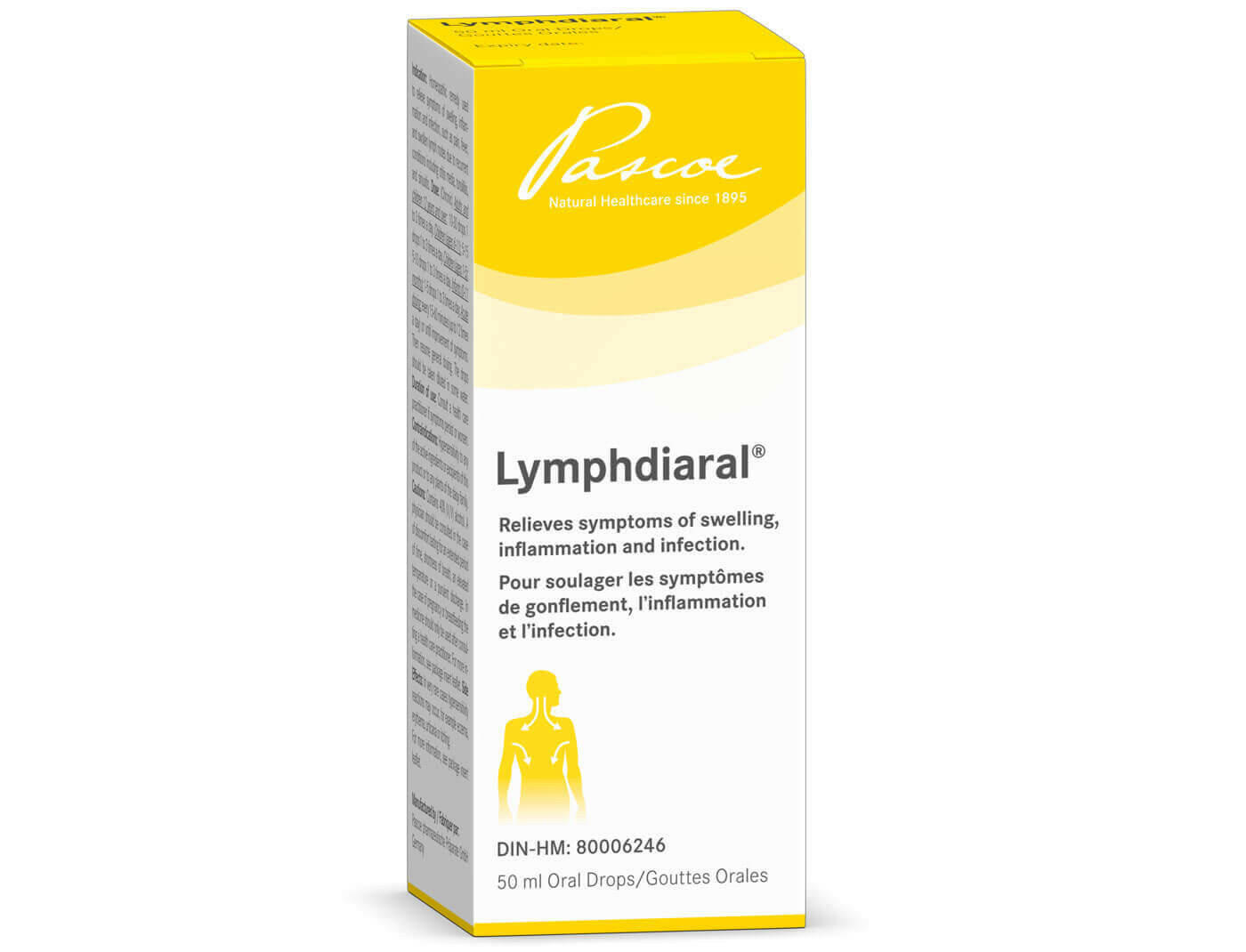

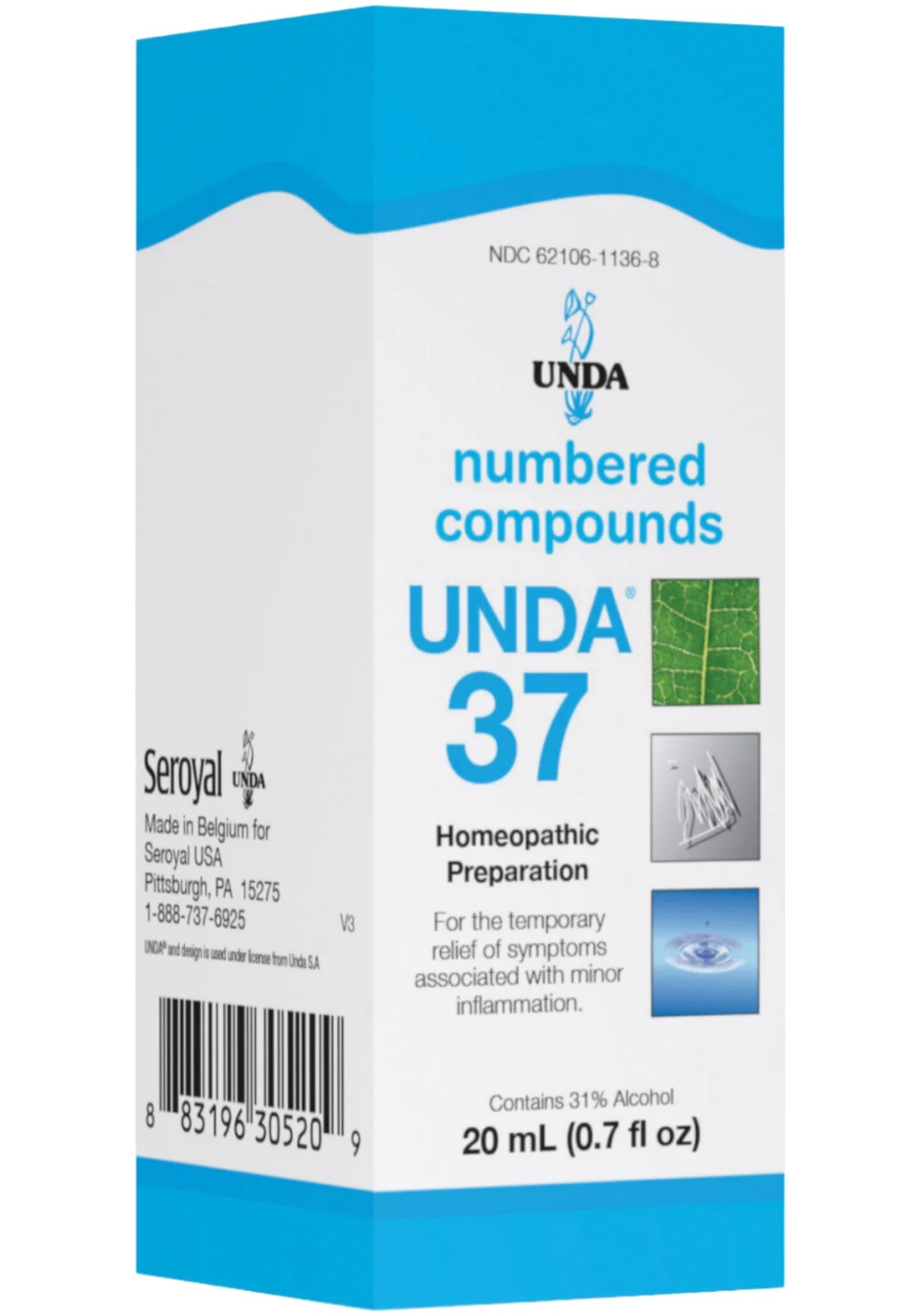
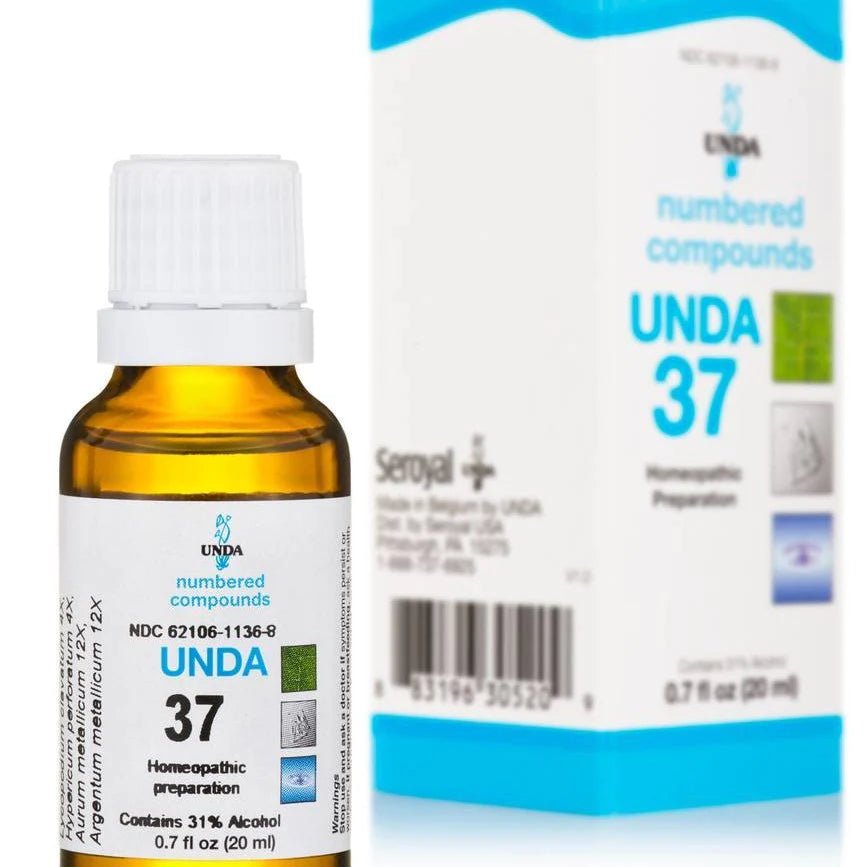




Free Delivery
Satisfied or refunded
Top-notch support
Secure payments
Encrypted checkout processing
Offers exclude prescriptions and in-store purchases.
Subscribe & Get a First-Order Reward
Plus, earning reward points on eligible online purchases and enjoy future store credit.
We respect your inbox at Coal Harbour Pharmacy - Expect thoughtfully curated health and wellness updates, timely reminders, and exclusive online savings.