
Natural Antimicrobial & Microbial Balance Support– Herbal, Immune & Topical Microbial Care
Explore pharmacist-curated natural antimicrobial support featuring oregano oil, garlic, berberine-containing botanicals, Manuka honey, tea tree oil, caprylic acid, probiotics, zinc, and targeted topical products selected to support normal immune function, microbial balance, skin hygiene, digestive wellness, and everyday seasonal health.
────────────────────────────────────
About Natural Antimicrobial Support
“Antimicrobial” describes substances capable of acting against microorganisms such as bacteria, fungi, and—in some contexts—viruses or other microbes.
Many plants and naturally occurring compounds demonstrate antimicrobial activity in laboratory research. However, an important distinction exists between:
• Antimicrobial activity demonstrated in a laboratory
• Traditional herbal use
• Topical antiseptic activity
• Supporting normal microbial balance
• Clinically proven treatment of an infection
A substance that inhibits microorganisms in a laboratory dish does not automatically function as an antibiotic, antiviral, or antifungal medication in the human body.
This collection therefore brings together natural health products, immune-support nutrients, microbiome-oriented formulas, and appropriately indicated topical products without implying that supplements can replace medical treatment for infections.
Key Benefits
Depending on the specific product and its approved use, products in this collection may help:
• Support normal immune function
• Complement seasonal wellness routines
• Support a healthy intestinal microbiome
• Support digestive microbial balance
• Provide targeted botanical ingredients traditionally used for wellness
• Support external skin hygiene
• Provide topical care for appropriate minor skin concerns
• Support antioxidant defence
• Complement respiratory and digestive wellness
• Provide appropriately indicated antiseptic or antimicrobial topical care
Benefits are highly product-specific. Not every ingredient in this collection has been clinically proven to prevent or treat infection.
Who It’s Ideal For
This collection may appeal to people seeking:
• Nutritional immune support
• Botanical formulas for seasonal wellness
• Probiotic and microbiome support
• Digestive microbial-balance formulas
• External skin-cleansing products
• Appropriately indicated topical antiseptics
• Manuka honey products
• Oregano oil or garlic supplements
• Tea tree oil products for appropriate external applications
• Complementary natural-health approaches
People with a suspected bacterial, viral, fungal, or parasitic infection should not rely on supplements alone when medical treatment may be required.
What Does “Antimicrobial” Mean?
Antimicrobial is a broad scientific term.
Different antimicrobial substances can act against different organisms.
Antibacterial
Acts against certain bacteria.
Antifungal
Acts against certain fungi or yeasts.
Antiviral
Acts against viruses or stages of viral replication.
Antiseptic
A substance used on living tissue to reduce microorganisms under appropriate conditions.
Disinfectant
A product intended to reduce or destroy microorganisms on surfaces or objects.
These terms are not interchangeable.
A botanical demonstrating antibacterial activity in a laboratory should not automatically be called an antibiotic.
Natural Antimicrobials vs Antibiotics
Prescription antibiotics are medications with established indications, dosing, pharmacology, safety information, and clinical evidence for treating susceptible bacterial infections.
Natural products may contain compounds with antimicrobial activity, but they should not be considered direct substitutes for antibiotics.
Delaying appropriate antibiotic treatment for a serious bacterial infection can lead to significant complications.
Antibiotics also do not treat viral infections.
Laboratory Activity vs Human Effectiveness
This distinction is particularly important for natural antimicrobial products.
Researchers can expose microorganisms directly to concentrated plant compounds in laboratory experiments.
The human body is very different.
After oral consumption, a compound may:
• Be poorly absorbed
• Be metabolized
• Be rapidly eliminated
• Reach concentrations far below those used in laboratory experiments
• Be transformed into different compounds
Therefore, in-vitro antimicrobial activity does not establish that an oral supplement treats an infection in humans.
Oregano Oil
Oregano oil contains compounds such as:
• Carvacrol
• Thymol
• Other volatile constituents
These compounds demonstrate antimicrobial activity in laboratory research.
Oregano has also been used traditionally for digestive and respiratory wellness.
However, oral oregano oil should not be described as a natural antibiotic proven to eradicate bacterial, viral, fungal, or parasitic infections in humans.
Carvacrol
Carvacrol is one of the principal constituents associated with oregano oil’s antimicrobial activity.
A high carvacrol percentage may provide information about product composition, but it does not by itself establish:
• Clinical effectiveness
• Appropriate dose
• Safety
• Ability to treat infection
• Overall product quality
Concentration is only one consideration.
Oregano Oil Safety
Concentrated oregano essential oil can irritate:
• Skin
• Mouth
• Throat
• Gastrointestinal tissues
Essential oils should not be swallowed unless the specific product is appropriately formulated and labelled for oral use.
Undiluted essential oil should generally not be applied directly to skin unless specifically directed by an appropriate product label.
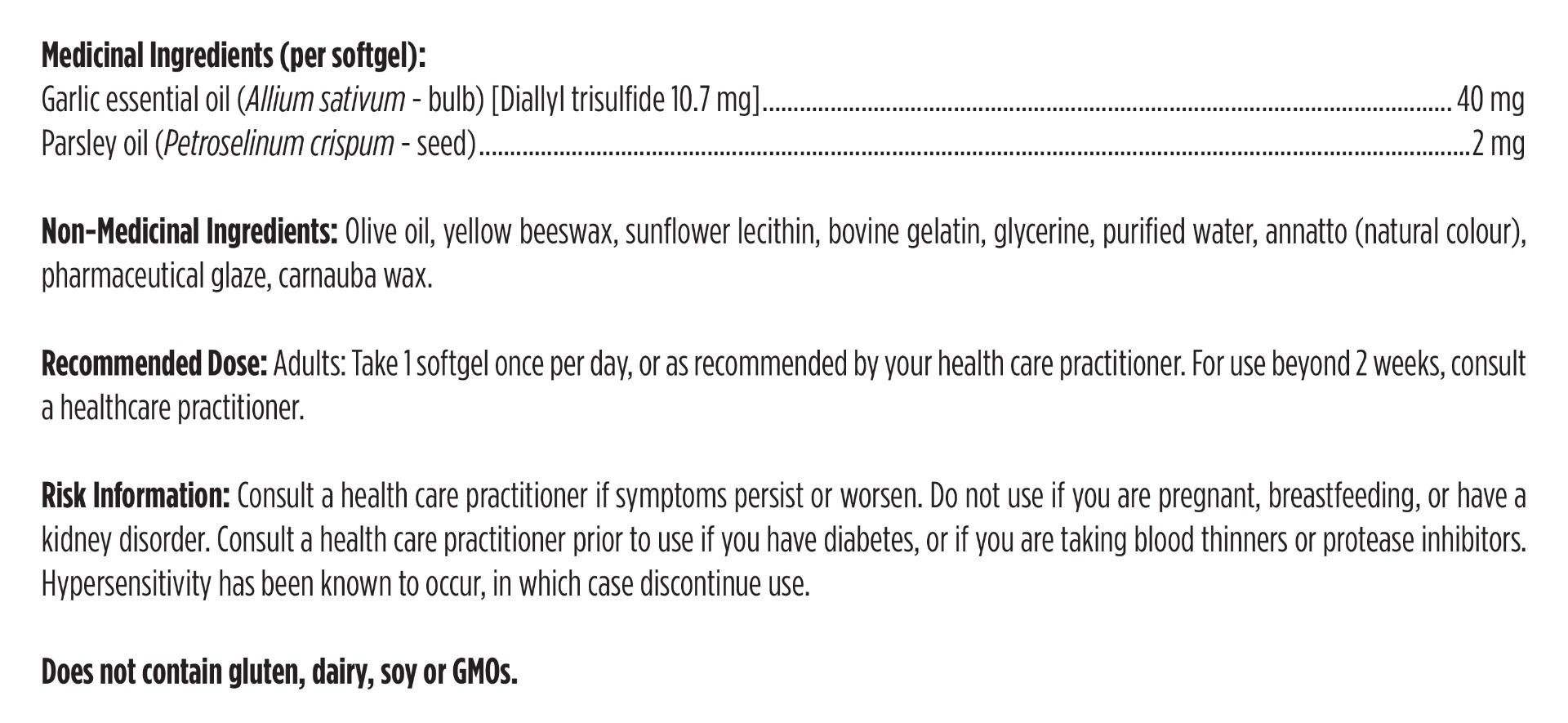
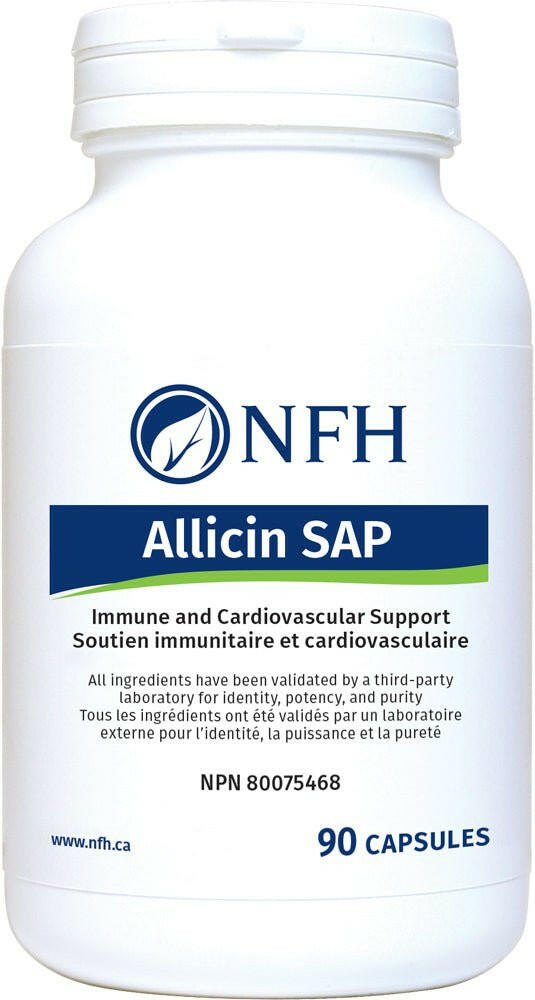
Garlic
Garlic (Allium sativum) contains sulfur-containing compounds that have attracted considerable research interest.
Fresh garlic chemistry involves compounds related to alliin and allicin.
Garlic has demonstrated antimicrobial activity experimentally and has also been investigated for cardiovascular and other health applications.
However, garlic supplements should not be considered substitutes for antibiotics or antifungal medications.
Garlic can also increase bleeding risk in some circumstances, particularly when combined with anticoagulant or antiplatelet medications.
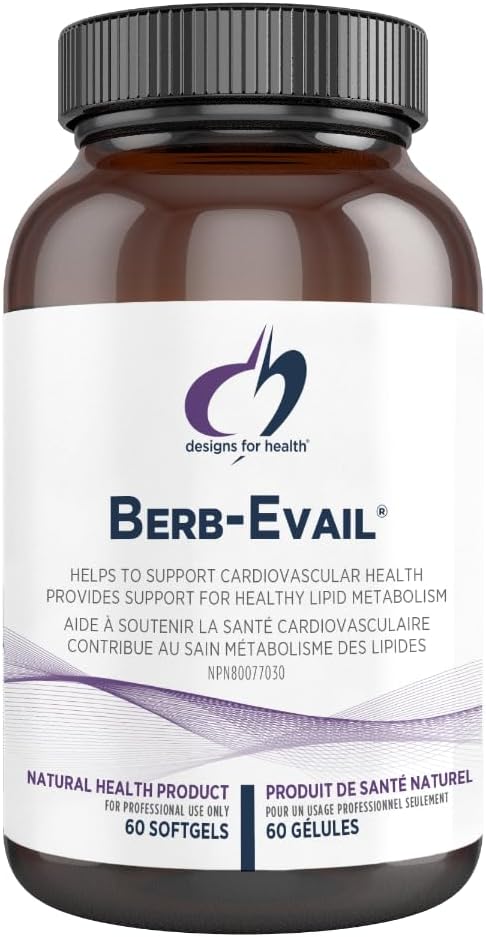
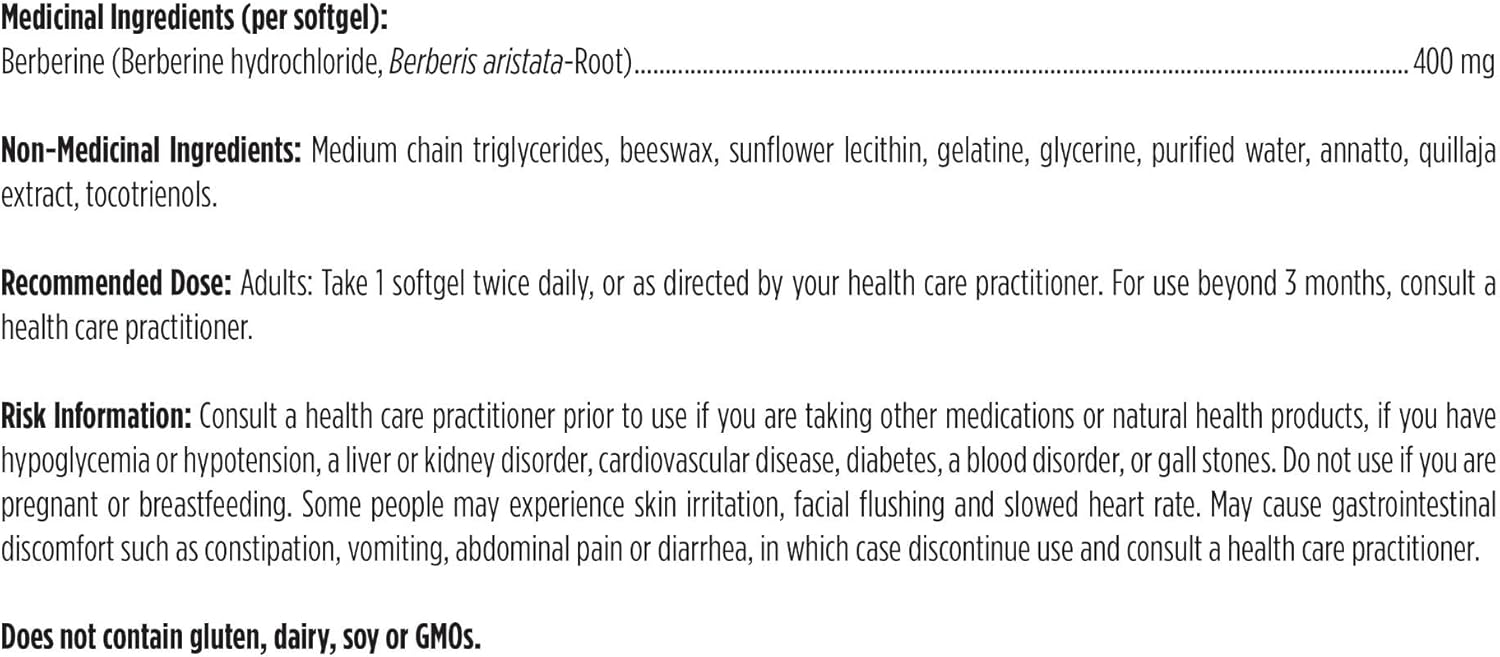
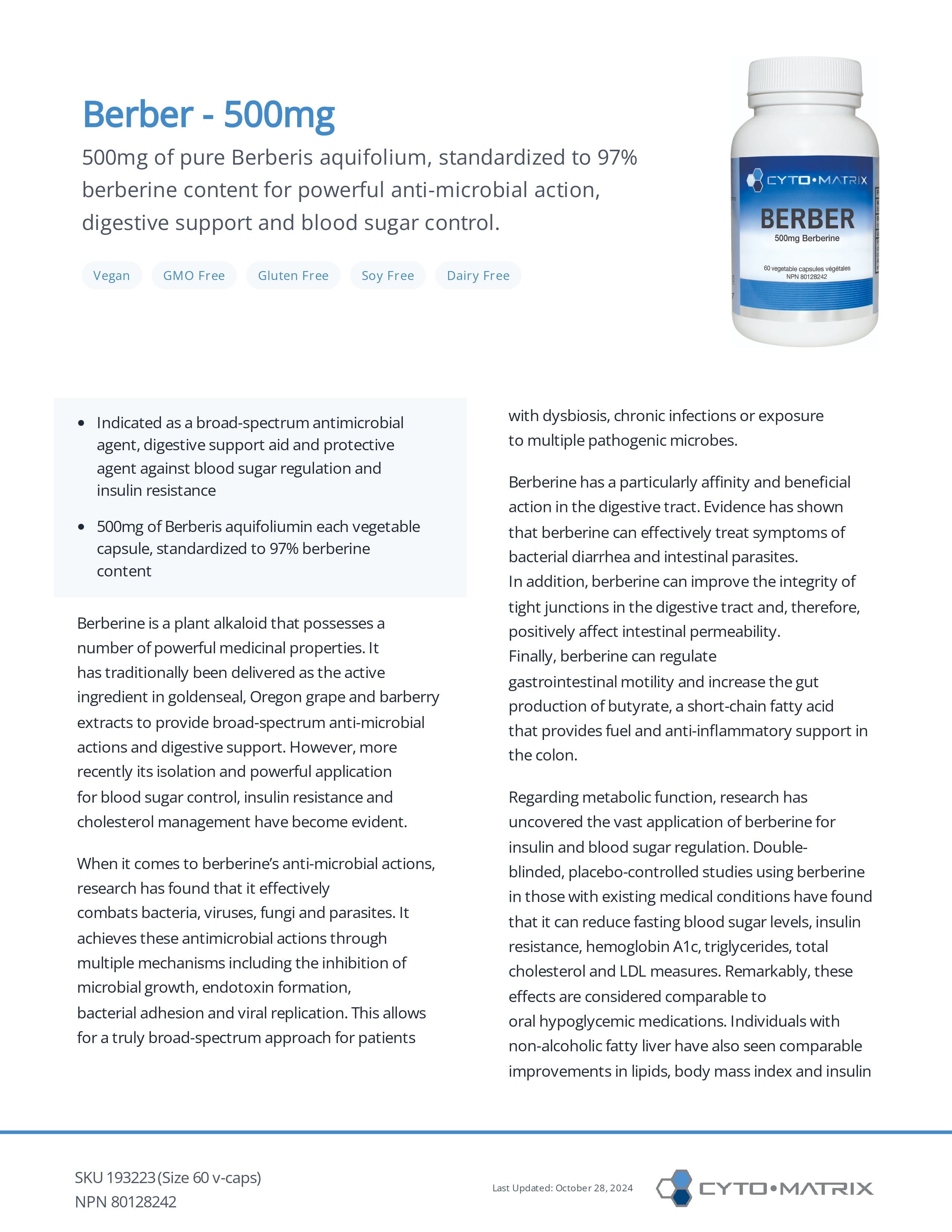
Berberine
Berberine is an alkaloid found in several plants, including species traditionally used in herbal medicine.
It has demonstrated activity against various microorganisms in laboratory research and has also been investigated extensively for metabolic effects.
However, berberine is not a general-purpose natural antibiotic.
It can also interact with medications and affect:
• Blood glucose
• Drug metabolism
• Gastrointestinal function
• Other physiological pathways
Berberine is generally not appropriate during pregnancy unless specifically directed by an appropriate healthcare professional.
Goldenseal
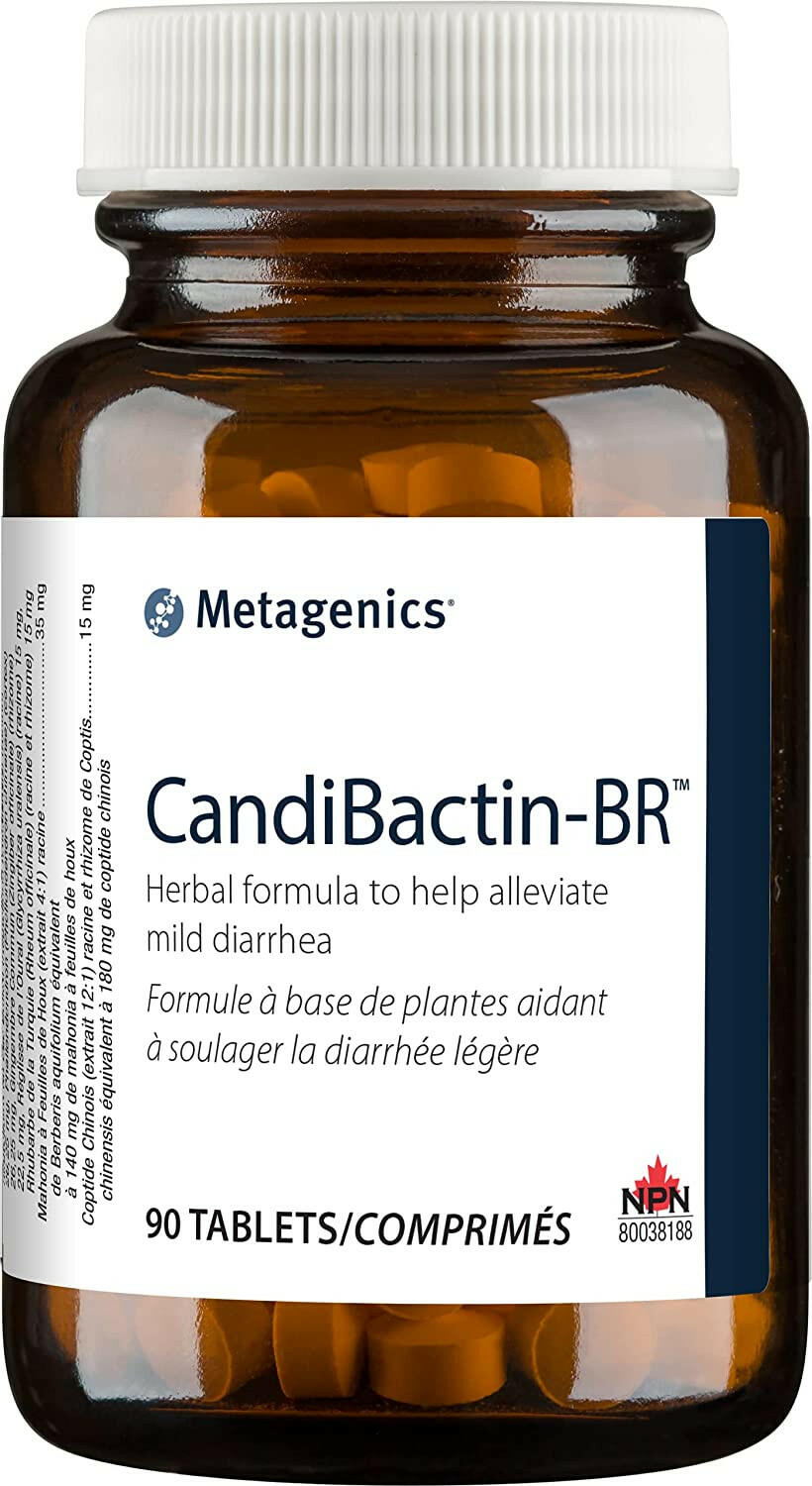
Goldenseal (Hydrastis canadensis) contains alkaloids including berberine.
It is commonly included in traditional immune, digestive, and respiratory formulas.
Evidence does not establish goldenseal as a treatment for respiratory infections or as a substitute for antibiotics.
Its potential for medication interactions should also be considered.
Pau d’Arco
Pau d’arco is derived from trees of the Handroanthus or related botanical group and has a history of traditional herbal use.
Compounds such as lapachol have demonstrated biological activity in laboratory research.
However, clinical evidence supporting pau d’arco for treating human infections is limited.
High or inappropriate intake can also create safety concerns.
Echinacea
Echinacea is widely used for seasonal immune support.
Research has primarily investigated its potential role in upper respiratory illnesses, particularly common-cold outcomes.
Results vary depending on:
• Species
• Plant part
• Extract
• Dose
• Timing
Echinacea should not be considered an antimicrobial drug and does not replace treatment for bacterial infection.
People with allergies to plants in the Asteraceae family should use caution.
Elderberry
Elderberry (Sambucus nigra) is frequently used in seasonal immune formulas.
Some clinical studies have investigated elderberry preparations for respiratory illness symptoms, but evidence remains product- and context-specific.
Elderberry supplements should not be described as antiviral medications or relied upon to prevent or treat influenza, COVID-19, or other viral infections.
Zinc
Zinc is an essential mineral required for:
• Normal immune function
• Cell division
• Protein synthesis
• Wound healing
• Numerous enzymes
Adequate zinc intake is important for immunity.
However, taking large amounts does not simply make the immune system stronger.
Excessive long-term zinc intake can contribute to copper deficiency and other adverse effects.
Zinc Lozenges & Colds
Certain zinc lozenge formulations have been investigated for reducing the duration of common-cold symptoms when used appropriately and started early.
Results depend on:
• Zinc form
• Dose
• Formulation
• Timing
This should not be generalized to every zinc supplement.
Intranasal zinc products have been associated with loss of smell and should not be assumed equivalent to oral zinc products.
Vitamin C
Vitamin C contributes to normal immune function and antioxidant defence.
Adequate intake is important, but vitamin C is not an antimicrobial medication.
Routine supplementation does not guarantee prevention of respiratory infections.
Higher doses can also cause gastrointestinal effects and may be inappropriate for some people with particular kidney-stone risks or medical conditions.
Vitamin D
Vitamin D contributes to normal immune function and numerous other physiological processes.
Correcting inadequate vitamin D status can be important for overall health.
However, vitamin D should not be marketed as an antiviral or antibacterial treatment.
Very high doses can cause toxicity and should not be used for infection treatment without medical supervision.
Probiotics & Microbial Balance
Probiotics contain specific live microorganisms that may provide health benefits when administered in adequate amounts.
Their effects are generally:
Strain-specific and indication-specific.
Probiotics do not simply replace “bad bacteria” with “good bacteria.”
The intestinal microbiome is a complex ecosystem involving bacteria, fungi, viruses, metabolites, host tissues, diet, and immune interactions.
Probiotics Are Not Antimicrobials
Some probiotic organisms can compete with or influence other microorganisms.
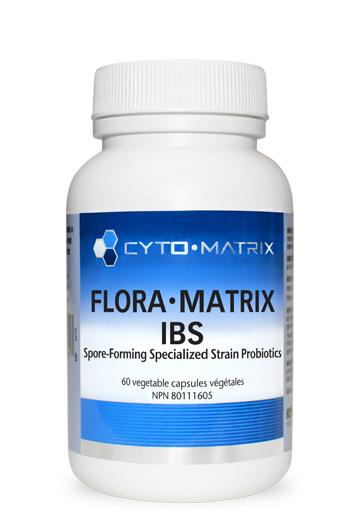
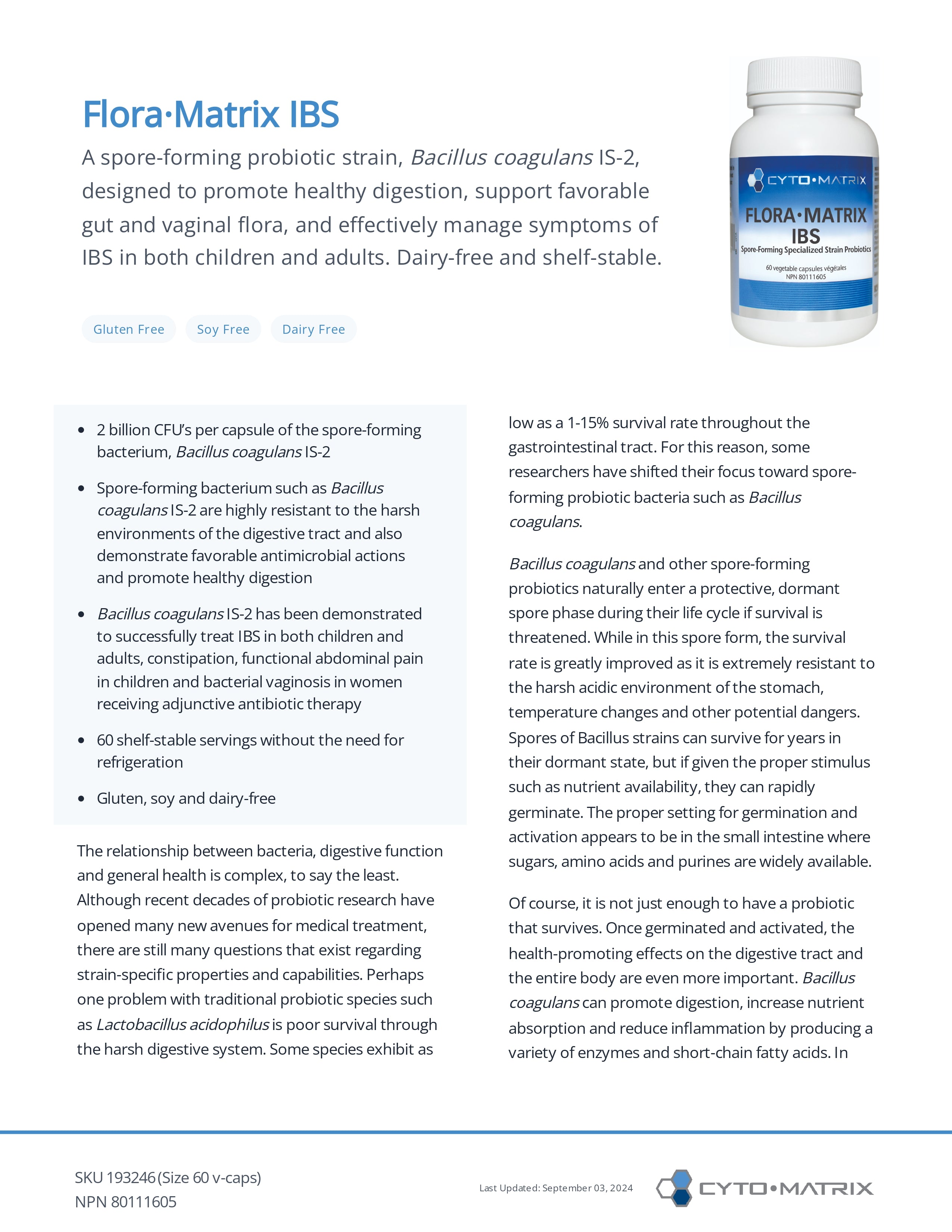
However, it is usually more accurate to describe probiotics as supporting microbial ecology, intestinal function, or microbiome balance rather than as antimicrobial supplements.
A probiotic should not replace treatment for gastrointestinal infection.
Gut “Microbial Overgrowth”
The term microbial overgrowth can refer to very different clinical situations.
Examples include:
• Small intestinal bacterial overgrowth (SIBO)
• Certain fungal conditions
• Intestinal infections
• Dysbiosis-related hypotheses
These conditions should not all be treated with the same generic antimicrobial supplement protocol.
Persistent digestive symptoms deserve appropriate evaluation.
“Dysbiosis”
Dysbiosis is broadly used to describe alterations in microbial communities.
However, there is no single universal definition of a perfectly balanced microbiome.
Commercial microbiome language can therefore oversimplify complex science.
The goal should not be to eliminate large groups of microorganisms indiscriminately.
Caprylic Acid
Caprylic acid is a medium-chain fatty acid found naturally in foods such as coconut products.
It demonstrates antifungal activity under certain laboratory conditions and is frequently marketed for yeast or Candida support.
However, oral caprylic-acid supplementation has not been established as a stand-alone treatment for systemic or significant Candida infection.
Candida & “Yeast Overgrowth”
Candida species normally live on or within many healthy people.
They can cause genuine infections under particular circumstances.
Recognized Candida infections can include:
• Oral thrush
• Vulvovaginal candidiasis
• Certain skin infections
• Invasive candidiasis in high-risk patients
Broad claims that numerous nonspecific symptoms are caused by generalized systemic Candida overgrowth in otherwise healthy people are not well established.
Appropriate antifungal treatment depends on the actual diagnosis.
Tea Tree Oil
Tea tree oil (Melaleuca alternifolia) demonstrates antimicrobial activity and is used in certain topical products.
Evidence supports selected topical applications more strongly than oral use.
Tea tree oil should not be swallowed.
Concentrated tea tree oil can also cause:
• Skin irritation
• Allergic contact dermatitis
• Toxicity if ingested
Use only appropriately formulated products according to label directions.
Tea Tree Oil & Fungal Skin Concerns
Tea tree oil has been investigated for certain superficial fungal conditions.
However, effectiveness varies by formulation and condition.
Established antifungal medications generally have stronger evidence for many common fungal infections.
Persistent or spreading fungal symptoms should be assessed.
Manuka Honey
Manuka honey contains compounds associated with antimicrobial activity and has attracted substantial medical interest.
An important distinction exists between:
• Food-grade Manuka honey
• Cosmetic honey products
• Medical-grade honey dressings
Medical-grade honey used in wound care is specifically manufactured and processed for that purpose.
Ordinary grocery-store honey should not be placed into significant wounds as a substitute for an appropriate sterile wound-care product.
Medical-Grade Honey
Certain medical-grade honey dressings are used in professional wound care.
Depending on the product and wound, they may help support:
• Moist wound healing
• Management of wound environment
• Autolytic debridement
• Local microbial control
This is different from claiming that eating honey treats systemic infection.
Topical Antiseptics
Topical antiseptic products may contain active ingredients intended to reduce microorganisms on skin.
Appropriate use depends on:
• Active ingredient
• Concentration
• Type of wound
• Location
• Age
• Product indication
More antiseptic is not necessarily better.
Repeated exposure to irritating antiseptics can damage healthy tissue and potentially interfere with wound healing.
Minor Wound Care
For many minor cuts and abrasions, appropriate first aid includes:
• Cleaning hands
• Rinsing the wound appropriately
• Removing visible debris when safe
• Protecting the wound
• Using an appropriate dressing
• Monitoring for infection
Not every minor wound requires a strong antiseptic.
Signs of Wound Infection
Seek appropriate assessment if a wound develops:
• Increasing redness
• Increasing warmth
• Swelling
• Worsening pain
• Pus or significant drainage
• Red streaking
• Fever
• Delayed healing
People with diabetes, poor circulation, neuropathy, or immune suppression should be particularly cautious with wounds.
Colloidal Silver
Colloidal silver is sometimes marketed as a natural antimicrobial product.
However, oral colloidal silver is not established as safe or effective for treating infections.
Chronic silver exposure can cause argyria, a potentially permanent blue-grey discoloration of the skin and tissues.
Silver can also interact with certain medications.
Medical products containing silver for specific topical applications are different from consuming colloidal silver as a dietary supplement.
Black Walnut
Black walnut is sometimes included in herbal “antimicrobial,” parasite, or Candida formulas.
Laboratory activity of certain walnut compounds does not establish that black walnut supplements eradicate human fungal or parasitic infections.
It can also cause allergic reactions, particularly in susceptible individuals.
Antiviral Supplements
“Antiviral” is a particularly strong therapeutic claim.
Laboratory research showing that an herb affects a virus does not establish that taking the herb:
• Prevents viral infection
• Reduces viral load in humans
• Prevents transmission
• Replaces antiviral medication
• Prevents complications
Use “immune support” rather than “antiviral” unless the specific product has an appropriately established and authorized indication.
Respiratory Wellness
Immune-oriented products are frequently used during cold and flu season.
Supportive strategies can include:
• Adequate sleep
• Appropriate nutrition
• Hydration
• Vaccination when appropriate
• Hand hygiene
• Avoiding smoking
• Managing underlying respiratory disease
• Appropriate symptom treatment
Supplements can complement these foundations but should not be viewed as an infection shield.
Oral Microbial Care
Oral health depends on a complex microbiome and consistent hygiene.
Important foundations include:
• Brushing with appropriate toothpaste
• Flossing or interdental cleaning
• Regular dental care
• Managing dry mouth
• Limiting frequent sugar exposure
• Avoiding tobacco
Natural antimicrobial mouth products can sometimes complement oral care but should not replace treatment for dental infection or periodontal disease.
Antimicrobial Resistance
Antimicrobial resistance is a major global health concern.
It occurs when microorganisms evolve in ways that reduce susceptibility to antimicrobial treatments.
Appropriate antibiotic use is important.
The assumption that natural antimicrobial compounds cannot contribute to microbial adaptation or resistance-related pressures simply because they are natural is too simplistic.
Supporting the Microbiome
Not all microorganisms are harmful.
Human health depends on diverse microbial communities found in areas including:
• Gastrointestinal tract
• Skin
• Mouth
• Respiratory tract
• Genitourinary tract
The objective of wellness care should not be to sterilize the body.
Broad or unnecessary antimicrobial approaches can potentially disrupt beneficial microbial ecosystems.
Natural Does Not Mean Harmless
Concentrated botanical extracts can produce significant biological effects.
Potential concerns can include:
• Medication interactions
• Liver toxicity
• Gastrointestinal irritation
• Allergic reactions
• Bleeding effects
• Changes in blood glucose
• Changes in blood pressure
• Pregnancy-related risks
• Skin irritation
Product selection should consider both potential benefit and risk.
Infection Prevention
Supplements should not be the primary strategy for preventing infectious disease.
Evidence-based preventive measures can include:
• Hand hygiene
• Appropriate vaccination
• Safe food handling
• Wound hygiene
• Respiratory precautions when appropriate
• Safer sexual practices
• Clean drinking water
• Appropriate dental hygiene
• Infection-control procedures
• Management of underlying health conditions
Natural products can complement general wellness but do not replace these measures.
How to Choose a Natural Antimicrobial Product
Identify Your Goal
Determine whether you are seeking:
• General immune support
• Digestive wellness
• Microbiome support
• External skin care
• Minor wound care
• Seasonal wellness
• A specific traditional herbal product
Distinguish Supplements From Medicines
A botanical supplement is not automatically an antimicrobial medication.
Check the Active Ingredients
Review the exact:
• Ingredient
• Species
• Extract
• Concentration
• Dose
• Intended use
Review Medication Interactions
This is particularly important with concentrated botanical products.
Avoid Treating Undiagnosed Infection
Symptoms alone often cannot distinguish bacterial, viral, and fungal conditions.
Avoid “Antimicrobial Stacking”
Combining oregano oil, berberine, garlic, black walnut, caprylic acid, and multiple other concentrated botanicals is not automatically more effective.
Large antimicrobial-style supplement stacks can increase:
• Gastrointestinal side effects
• Medication interactions
• Liver-related concerns
• Difficulty identifying which ingredient causes adverse effects
Use targeted products rather than assuming broader microbial suppression is better.
Quality & Selection Considerations
When comparing products, consider:
• Clearly identified active ingredients
• Exact botanical species
• Standardized extracts where relevant
• Transparent dosing
• Appropriate Canadian product authorization where applicable
• Intended route of use
• Allergen information
• Medication interactions
• Product-specific testing
• Appropriate packaging and storage
Claims such as antibacterial, antiviral, antifungal, medical-grade, clinically proven, pharmaceutical-grade, broad-spectrum, immune boosting, or pathogen killing should be verified for the specific product and authorized use rather than generalized across the collection.
Safety & Precautions
Professional guidance is particularly important for people who:
• Take prescription medications
• Take anticoagulants or antiplatelet drugs
• Use diabetes or blood-pressure medications
• Have kidney or liver disease
• Have autoimmune conditions
• Are immunocompromised
• Are pregnant or breastfeeding
• Are preparing for surgery
• Have significant allergies
• Are undergoing cancer treatment
• Have persistent gastrointestinal symptoms
• Suspect a significant infection
Do not ingest essential oils, antiseptics, topical silver products, or other preparations unless the individual product is specifically formulated and labelled for oral use.
When Infection Symptoms Need Medical Attention
Seek appropriate medical care for:
• Difficulty breathing
• Persistent high fever
• Severe weakness or confusion
• Significant dehydration
• Severe abdominal pain
• Blood in stool
• Persistent vomiting
• Rapidly spreading redness
• Significant wound infection
• Red streaks from a wound
• Severe facial or dental swelling
• Persistent urinary symptoms with fever or flank pain
• Severe or recurrent fungal infections
• Symptoms in an immunocompromised person
• Symptoms that worsen rather than improve
Natural products should not delay diagnosis or appropriate antimicrobial treatment.
FAQs
What is a natural antimicrobial?
The term generally refers to a naturally derived substance that demonstrates activity against certain microorganisms. The strength and clinical relevance of that activity vary substantially among ingredients.
Are oregano oil and garlic natural antibiotics?
They contain compounds with antimicrobial activity, particularly in laboratory studies, but they should not be considered substitutes for prescription antibiotics when a bacterial infection requires treatment.
Can natural antimicrobial supplements treat an infection?
Evidence varies by ingredient, but general supplements should not be relied upon to treat significant bacterial, viral, fungal, or parasitic infections.
Does oregano oil kill bacteria?
Oregano constituents such as carvacrol demonstrate antibacterial activity in laboratory experiments. This does not establish that oral oregano supplements eradicate bacterial infections in humans.
Is colloidal silver a safe natural antibiotic?
Oral colloidal silver is not established as safe or effective for treating infection and can cause potentially permanent argyria. Specific medical silver-containing wound products are a separate category.
Can probiotics kill harmful bacteria?
Probiotics can influence microbial ecosystems, but their effects are strain-specific. They should generally be considered microbiome-support products rather than broad-spectrum antimicrobials.
Does Manuka honey help wounds?
Specific medical-grade honey products can be used in appropriate wound-care settings. This should be distinguished from applying ordinary food-grade honey to a wound.
Can tea tree oil treat fungal infections?
Tea tree oil has demonstrated antifungal activity and has some evidence for selected topical applications, but established antifungal medications generally have stronger evidence for many common fungal infections.
Can natural antimicrobial products prevent colds or flu?
No natural antimicrobial supplement reliably prevents respiratory infections. Vaccination where appropriate, hygiene, sleep, nutrition, and other evidence-based preventive measures remain important.
Are natural antimicrobial products safe to take long term?
Not necessarily. Safety depends on the specific ingredient, dose, duration, medications, and health status. Long-term broad antimicrobial supplementation should not be assumed beneficial.
Why Shop Natural Antimicrobial Support at Coal Harbour Pharmacy?
• Pharmacist-curated nutritional, botanical, and topical options
• Oregano oil, garlic, herbal, probiotic, and immune-support formulas where available
• Topical antimicrobial and antiseptic care where appropriately indicated
• Capsules, liquids, oils, creams, sprays, and other formats
• Products from established Canadian and international health brands
• Options selected for targeted rather than indiscriminate microbial support
• Fast Canada-wide shipping
Related Collections
• Medicinal Herbs & Herbal Botanicals
────────────────────────────────────
Shop Natural Antimicrobial Support →
Sort by
76 products















FREE STANDARD SHIPPING
Satisfied or refunded
Top-notch support
Secure payments
Encrypted checkout processing
Offers exclude prescriptions and in-store purchases.
Subscribe & Get a First-Order Reward
Plus, earning reward points on eligible online purchases and enjoy future store credit.
We respect your inbox at Coal Harbour Pharmacy - Expect thoughtfully curated health and wellness updates, timely reminders, and exclusive online savings.