
Musculoskeletal Health – Supplements for Bone, Joint & Muscle Support
Explore pharmacist-curated musculoskeletal health supplements featuring calcium, magnesium, vitamin D, vitamin K, collagen, glucosamine, chondroitin, MSM, curcumin, boswellia, and other targeted nutrients selected to support bone strength, joint comfort, muscle function, connective tissue health, mobility, and healthy aging.
────────────────────────────────────
About Musculoskeletal Health
The musculoskeletal system includes the bones, skeletal muscles, joints, cartilage, tendons, ligaments, and other connective tissues that work together to provide structure, stability, movement, and physical function.
Maintaining this system requires more than any single nutrient. Bone remodelling, muscle strength, joint mechanics, connective-tissue integrity, physical activity, adequate protein and energy intake, and appropriate recovery all contribute to long-term musculoskeletal health.
The Musculoskeletal Health collection at Coal Harbour Pharmacy brings together supplements for bone, joint, muscle, cartilage, tendon, ligament, and mobility support within one broader collection.
Supplements can complement these foundations, but they cannot rebuild every damaged joint, repair an injured tendon or ligament, reverse osteoporosis, or replace appropriate rehabilitation and medical care.
Key Benefits
Depending on the ingredient and individual need, products in this collection may help:
• Support normal bone formation and maintenance
• Maintain adequate calcium and mineral nutrition
• Support normal muscle contraction and function
• Support joint comfort and mobility
• Maintain cartilage and connective-tissue health
• Provide nutrients required for normal collagen formation
• Support normal neuromuscular function
• Complement exercise and post-activity recovery
• Support mobility and physical function during healthy aging
• Help address specific nutritional gaps relevant to musculoskeletal health
Benefits depend on the individual ingredient, dose, nutritional status, condition being addressed, and supporting evidence.
Who It’s Ideal For
Musculoskeletal supplements may be considered by:
• Adults focused on maintaining bone health
• People interested in joint and connective-tissue support
• Active adults and recreational athletes
• People performing regular resistance or weight-bearing exercise
• Older adults focused on strength and mobility
• Individuals with identified nutritional gaps
• People seeking additional protein or collagen support
• Adults following professionally recommended musculoskeletal nutrition plans
Persistent pain, weakness, swelling, or loss of function should be assessed rather than managed indefinitely with supplements alone.
What Is the Musculoskeletal System?
The musculoskeletal system is an interconnected network that includes:
Bones — provide structure, mineral storage, protection, and leverage for movement.
Muscles — generate force and stabilize joints.
Joints — allow movement between bones.
Cartilage — provides specialized connective tissue within structures such as joints.
Tendons — connect muscles to bones.
Ligaments — connect bones and help stabilize joints.
Other connective tissues — contribute to structural integrity and force transmission.
Healthy movement depends on these tissues working together rather than any one structure functioning independently.
Bone Health
Bone is living tissue that continuously undergoes remodelling.
Important factors supporting bone health include:
• Calcium
• Vitamin D
• Adequate protein
• Magnesium
• Vitamin K
• Phosphorus
• Weight-bearing activity
• Resistance training
• Hormonal and metabolic health
• Avoiding smoking and excessive alcohol intake
Supplements can help meet nutritional requirements but should not be assumed to prevent or reverse osteoporosis by themselves.
Calcium
Calcium is a major structural mineral in bone and teeth.
It also contributes to:
• Muscle contraction
• Nerve signalling
• Blood clotting
• Cellular communication
When dietary calcium is insufficient, supplementation can help close the gap.
The objective should be adequate total calcium intake from food and supplements, rather than taking the highest possible supplemental dose.
Vitamin D
Vitamin D helps regulate calcium and phosphorus physiology and contributes to:
• Calcium absorption
• Bone and teeth health
• Normal muscle function
• Immune function
Vitamin D needs can vary according to age, dietary intake, sun exposure, skin pigmentation, geographic location, health status, and other factors.
People at risk of deficiency may benefit from individualized assessment.
Vitamin K
Vitamin K participates in the activation of proteins involved in normal blood clotting and bone physiology.
Supplements may contain:
• Vitamin K1
• Vitamin K2 as MK-4
• Vitamin K2 as MK-7
Vitamin K2 is frequently marketed alongside vitamin D and calcium, but adding K2 is not universally required for everyone using vitamin D.
People taking vitamin K-antagonist anticoagulants such as warfarin require professional guidance.
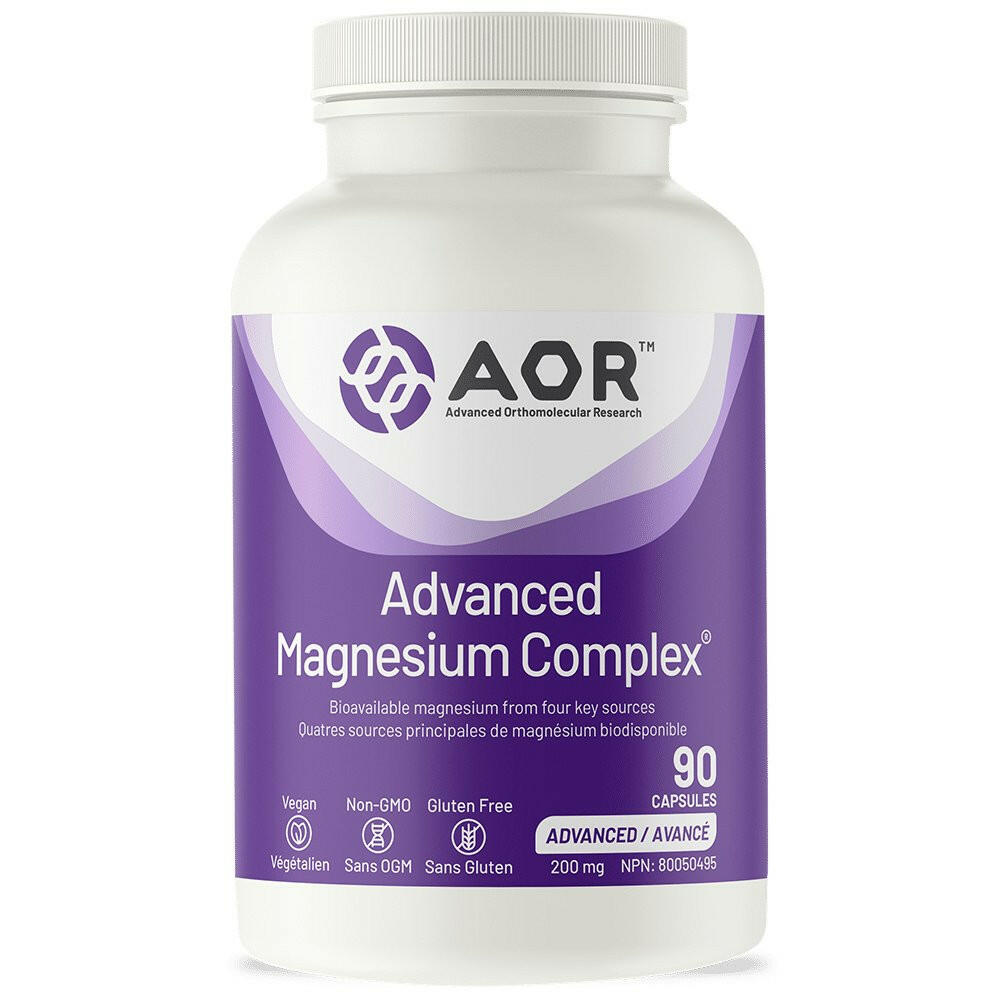
Magnesium
Magnesium contributes to:
• Normal muscle function
• Normal nervous-system function
• Bone health
• Electrolyte balance
• Energy metabolism
• Numerous enzyme systems
Magnesium deficiency can affect neuromuscular function, but muscle cramps, stiffness, and soreness are not automatically caused by magnesium deficiency.
Bone Mineral Density
Bone mineral density is influenced by many factors, including:
• Age
• Genetics
• Hormonal status
• Physical activity
• Nutrition
• Body composition
• Smoking
• Alcohol intake
• Certain medications
• Medical conditions
Supplements are only one component of bone-health management.
People at increased risk of osteoporosis may require bone-density assessment and evidence-based medical treatment in addition to nutrition and exercise.
Weight-Bearing & Resistance Exercise
Exercise provides a mechanical stimulus that nutrition alone cannot reproduce.
Weight-bearing and resistance activities can support:
• Bone strength
• Muscle mass
• Strength
• Balance
• Functional capacity
• Joint stability
Exercise should therefore be considered a foundational component of musculoskeletal health whenever medically appropriate.
Muscle Health
Healthy muscle depends on:
• Resistance and physical activity
• Adequate protein
• Sufficient energy intake
• Essential amino acids
• Micronutrient adequacy
• Sleep
• Recovery
• Neurological function
Supplements may support specific nutritional needs but cannot substitute for the mechanical stimulus provided by muscle use and resistance training.
Protein & Muscle Maintenance
Dietary protein supplies amino acids required to maintain and repair muscle proteins.
Protein requirements can increase with:
• Resistance training
• Aging
• Calorie restriction
• Recovery from certain illnesses or injuries
• Higher physical demands
Protein powders can provide convenient support when food alone does not meet requirements.
Muscle Loss With Aging
Age-related loss of muscle mass and function is influenced by many factors, including reduced physical activity, inadequate protein or calorie intake, illness, and physiological changes associated with aging.
Resistance training and appropriate protein intake are particularly important strategies for preserving muscle function.
A supplement alone cannot prevent age-related muscle loss without appropriate movement and nutrition.
Joint Health
Joint comfort and mobility depend on:
• Cartilage
• Bone
• Synovial structures
• Muscles
• Tendons
• Ligaments
• Joint mechanics
• Neurological control
• Appropriate movement and loading
Joint symptoms can arise from many different causes, so a supplement marketed for “joint support” should not be assumed to address the underlying cause of pain.
Cartilage
Articular cartilage contains:
• Collagen
• Proteoglycans
• Water
• Specialized cells called chondrocytes
Cartilage has limited intrinsic repair capacity.
Supplements can provide nutrients or compounds studied for joint symptoms and cartilage physiology, but claims that oral supplements simply rebuild worn cartilage are not well supported.
Glucosamine
Glucosamine is an amino sugar involved in compounds naturally present in cartilage and other tissues.
Supplemental forms commonly include:
• Glucosamine sulfate
• Glucosamine hydrochloride
Research has primarily focused on osteoarthritis-related symptoms.
Results are mixed, and some evidence has been more favourable for specific glucosamine sulfate preparations than for glucosamine products as a general category.
Glucosamine should not be described as regenerating cartilage.
Chondroitin
Chondroitin sulfate is a naturally occurring component of cartilage extracellular matrix.
It has been studied for joint symptoms, particularly in osteoarthritis.
Clinical findings vary according to:
• Product quality
• Dose
• Study design
• Population
• Formulation
It should not be expected to reverse structural joint damage.
Glucosamine & Chondroitin Together
Combination formulas are widely available.
Some people may experience improvement in joint symptoms, while others may notice little or no benefit.
The combination is not automatically superior simply because two ingredients are included.
Product quality, dose, individual response, and medication considerations remain important.
MSM
MSM, or methylsulfonylmethane, is a sulfur-containing compound used in many joint and mobility formulas.
It has been investigated for:
• Joint comfort
• Physical function
• Exercise-related soreness
• Oxidative and inflammatory signalling
Evidence is still developing.
MSM should not be described as directly rebuilding cartilage, ligaments, or other connective tissues.
Collagen
Collagen is a major structural protein found in:
• Bone
• Cartilage
• Tendons
• Ligaments
• Skin
• Other connective tissues
Supplement products may contain hydrolyzed collagen peptides or specific collagen preparations.
Research suggests certain collagen supplements may support joint symptoms or aspects of connective-tissue health in some circumstances, but benefits depend on the specific formulation and use.
Collagen Peptides
Hydrolyzed collagen is broken into smaller peptides for consumption.
These peptides are digested and absorbed as amino acids and small peptides.
They do not travel intact directly to an injured knee or tendon and rebuild it.
Potential benefits involve more complex nutritional and biological mechanisms.
Undenatured Type II Collagen
Undenatured type II collagen is distinct from ordinary collagen peptides.
It is generally consumed in much smaller quantities and is investigated through mechanisms involving oral immune tolerance rather than simply supplying large quantities of collagen amino acids.
These products should therefore not be compared gram-for-gram with collagen peptide powders.
Vitamin C & Collagen Formation
Vitamin C is required for normal collagen synthesis.
It acts as a cofactor for enzymes involved in collagen formation.
Adequate vitamin C is therefore important for connective-tissue health.
However, taking increasingly large amounts of vitamin C does not automatically produce more collagen when requirements are already met.
Tendon Health
Tendons transfer force from muscle to bone.
Supporting tendon health involves:
• Appropriate progressive loading
• Adequate protein
• Sufficient energy intake
• Vitamin C adequacy
• Recovery
• Appropriate rehabilitation after injury
Collagen or gelatin has been studied in exercise-related connective-tissue contexts, but supplements do not replace progressive rehabilitation for tendon injuries.
Ligament Health
Ligaments help stabilize joints by connecting bones.
Ligament injuries can require:
• Protection during appropriate healing phases
• Progressive rehabilitation
• Strength training
• Neuromuscular retraining
• Medical or surgical management in some cases
Supplements cannot mechanically restore a torn or unstable ligament.
Hyaluronic Acid
Hyaluronic acid is naturally present in:
• Synovial fluid
• Cartilage
• Skin
• Connective tissues
Oral hyaluronic acid has been investigated for joint and skin applications.
Marketing descriptions that say oral hyaluronic acid simply “lubricates the joints” are an oversimplification of its physiology and potential mechanisms.
Curcumin & Turmeric
Curcumin is one of the principal studied compounds derived from turmeric.
It has been investigated for effects involving inflammatory and oxidative signalling and for joint symptoms.
Bioavailability varies substantially among formulations.
Curcumin can complement joint-support strategies but should not be positioned as a substitute for treatment of inflammatory arthritis or other medical conditions.
Boswellia
Boswellia extracts contain compounds called boswellic acids.
Certain standardized extracts have been investigated for:
• Joint comfort
• Physical function
• Inflammatory signalling
Evidence is product- and extract-specific.
Results from one standardized Boswellia preparation should not automatically be attributed to every Boswellia supplement.
Omega-3 Fatty Acids
EPA and DHA omega-3 fatty acids participate in cell membranes and pathways involved in inflammatory mediator production.
Omega-3 supplements may be relevant to broader cardiovascular and nutritional health and have been investigated in inflammatory contexts.
They are not direct cartilage-building supplements.
Higher-dose use may require additional consideration for people using anticoagulant or antiplatelet medications.
Joint Comfort vs Treating Joint Disease
“Joint support” is not the same as treating:
• Osteoarthritis
• Rheumatoid arthritis
• Gout
• Psoriatic arthritis
• Joint infection
• Traumatic injury
• Other musculoskeletal diseases
Persistent joint symptoms should be appropriately assessed, particularly when swelling, redness, warmth, instability, or substantial functional loss is present.
Mobility & Flexibility
These terms describe related but different concepts.
Flexibility generally describes the ability of muscles and connective tissues to lengthen through a range.
Mobility refers more broadly to the ability to actively move and control a joint through an appropriate range of motion.
Both are strongly influenced by:
• Strength
• Joint structure
• Neuromuscular control
• Activity
• Injury history
• Pain
• Movement practice
Supplements generally play a secondary role.
Electrolytes & Muscle Function
Electrolytes such as:
• Sodium
• Potassium
• Magnesium
• Calcium
• Chloride
are essential for normal nerve and muscle physiology.
Electrolyte replacement can be useful when substantial losses occur through sweat, vomiting, or diarrhea.
Routine muscle soreness does not necessarily indicate electrolyte depletion.
Muscle Cramps
Muscle cramps are multifactorial.
Potential contributors include:
• Neuromuscular fatigue
• Exercise intensity
• Dehydration in some circumstances
• Electrolyte disturbances
• Medication effects
• Pregnancy
• Neurological or vascular conditions
Magnesium is frequently marketed for cramps, but it is not universally effective for every type of muscle cramp.
Exercise Recovery
Recovery from training depends primarily on:
• Adequate protein
• Calories
• Carbohydrates
• Hydration
• Sleep
• Appropriate rest
• Training progression
Supplements can complement these foundations but should not be expected to compensate for excessive training or inadequate recovery.
Healthy Aging & Musculoskeletal Function
Maintaining physical function with age involves more than preserving bone density.
Important priorities include:
• Muscle strength
• Balance
• Coordination
• Bone health
• Joint function
• Adequate protein
• Resistance training
• Regular walking or aerobic activity
• Fall prevention
• Appropriate vitamin and mineral intake
Maintaining muscle strength can be particularly important for independence and fall prevention.
Posture
Posture is influenced by:
• Anatomy
• Strength
• Habit
• Movement
• Ergonomics
• Pain
• Neurological factors
Supplements do not directly correct posture.
Strengthening, movement variation, ergonomics, and appropriate rehabilitation are more relevant when posture is contributing to symptoms.
Musculoskeletal Health for Active Adults
Regular exercise provides major musculoskeletal benefits, but training also places stress on muscles, tendons, bones, and joints.
Active adults should prioritize:
• Gradual training progression
• Appropriate technique
• Adequate nutrition
• Protein
• Hydration
• Sleep
• Rest and recovery
• Injury management
Supplements can support specific nutritional requirements but should not be used to mask persistent pain.
Musculoskeletal Health for Older Adults
Older adults may have increased concerns regarding:
• Osteoporosis
• Sarcopenia
• Falls
• Joint disease
• Reduced mobility
• Vitamin D status
• Protein intake
• Medication-related effects
Combining appropriate exercise, nutrition, fall prevention, and medical care is generally more important than relying on any individual supplement.
Musculoskeletal Support During Calorie Restriction
Weight-loss diets can sometimes reduce:
• Protein intake
• Micronutrient intake
• Muscle mass
particularly when calorie restriction is aggressive.
Adequate protein and resistance training are important for preserving lean tissue.
Micronutrient supplementation may be appropriate when dietary intake becomes inadequate.
How to Build a Musculoskeletal Support Routine
1. Identify the Primary Goal
Determine whether the priority is:
• Bone health
• Joint comfort
• Muscle function
• Connective tissue
• Exercise recovery
• Healthy aging
2. Address the Foundations
Prioritize:
• Appropriate exercise
• Protein
• Overall nutrition
• Sleep
• Healthy body composition
• Rehabilitation where needed
3. Select Targeted Supplements
Choose ingredients relevant to the actual goal rather than combining every available joint, bone, and muscle supplement.
4. Check for Ingredient Overlap
Bone formulas, multivitamins, magnesium supplements, joint products, and sports nutrition products can contain overlapping nutrients.
5. Reassess
If a supplement provides no meaningful benefit after an appropriate trial, reconsider whether continued use is worthwhile.
Persistent symptoms should be evaluated.
How to Choose Musculoskeletal Supplements
Consider:
• Your primary health or performance goal
• Diet and protein intake
• Training and physical activity
• Age and life stage
• Existing supplements
• Medications
• Medical conditions
• Product-specific evidence
• Ingredient amount and form
Avoid choosing products solely because they contain the largest number of ingredients.
Quality & Selection Considerations
When comparing musculoskeletal supplements, look for:
• Clearly identified ingredients and amounts
• Appropriate Canadian product authorization where applicable
• Transparent mineral and vitamin forms
• Standardized botanical extracts where relevant
• Clearly identified collagen type or source
• Manufacturing quality controls
• Independent testing when available
• Allergen information
• Practical dosing instructions
Terms such as professional-grade, clinically proven, highly bioavailable, clean-label, pharmaceutical-grade, or practitioner-trusted should be verified for each specific product rather than assumed across an entire collection.
Safety & Precautions
Professional guidance is particularly important for people who:
• Take anticoagulant or antiplatelet medications
• Have kidney disease
• Have liver disease
• Have gallbladder or biliary conditions
• Take diabetes medications
• Have shellfish allergies when considering certain glucosamine products
• Have osteoporosis or a history of fractures
• Have inflammatory or autoimmune joint disease
• Are pregnant or breastfeeding
• Are preparing for surgery
• Use multiple vitamin, mineral, or botanical supplements
Individual ingredients can have additional contraindications and interactions.
When Musculoskeletal Symptoms Need Assessment
Seek appropriate healthcare evaluation for:
• A hot, red, or markedly swollen joint
• Sudden severe joint or bone pain
• Significant trauma
• Inability to bear weight
• Obvious deformity
• Persistent joint instability
• Progressive muscle weakness
• Numbness or neurological symptoms
• Unexplained swelling
• Recurrent fractures
• Persistent night pain
• Fever accompanying musculoskeletal symptoms
• Prolonged morning stiffness
• Significant or progressive loss of mobility
These symptoms should not simply be managed with supplements.
FAQs
What are musculoskeletal health supplements?
They include nutritional products intended to support bones, muscles, joints, cartilage, tendons, ligaments, and other connective tissues. Examples include calcium, vitamin D, magnesium, collagen, glucosamine, chondroitin, MSM, and selected botanical ingredients.
What supplements are commonly used for bone health?
Calcium and vitamin D are particularly important when intake or status is inadequate. Protein, magnesium, vitamin K, and other nutrients also contribute to normal bone physiology.
What supplements are commonly used for joint support?
Common options include glucosamine, chondroitin, MSM, collagen, curcumin, Boswellia, and hyaluronic acid. Evidence and effectiveness vary considerably among ingredients and formulations.
Can supplements rebuild damaged cartilage?
No supplement should be expected to simply regenerate substantially damaged cartilage. Some ingredients may support joint comfort or cartilage-related physiology, but structural joint damage requires appropriate assessment and management.
Does collagen help joints and connective tissue?
Certain collagen preparations have shown promising effects for some joint and connective-tissue outcomes, but benefits depend on the formulation, dose, and individual context.
Is magnesium good for muscles?
Magnesium is essential for normal muscle and nerve function. Supplementation is most relevant when dietary intake or magnesium status is inadequate; it is not a universal treatment for cramps or muscle soreness.
Can supplements prevent osteoporosis?
Supplements can help meet nutritional requirements relevant to bone health, but osteoporosis prevention and treatment may also require exercise, fall prevention, lifestyle measures, assessment of risk factors, and prescription treatment when indicated.
Are glucosamine and chondroitin effective for joint pain?
Research has produced mixed results. Some specific preparations have demonstrated symptom benefits in certain people with osteoarthritis, while others have not. They should not be expected to rebuild damaged cartilage.
What is most important for maintaining muscle as I age?
Progressive resistance training and adequate protein are particularly important, alongside sufficient calories, vitamin and mineral adequacy, sleep, and management of medical conditions.
Can I combine bone, joint, and muscle supplements?
Often, but check for overlapping calcium, magnesium, vitamin D, zinc, botanicals, and other ingredients. Medication interactions and total daily intake should also be considered.
Why Shop Musculoskeletal Health at Coal Harbour Pharmacy?
• Pharmacist-curated bone, joint, muscle, and connective-tissue supplements
• Calcium, magnesium, vitamin D, vitamin K, and multimineral options
• Glucosamine, chondroitin, MSM, collagen, and hyaluronic acid formulas
• Curcumin, Boswellia, and other targeted botanical options
• Muscle and exercise-recovery nutrition
• Products from established Canadian and professional supplement brands
• Fast Canada-wide shipping
Related Collections
• Joint & Connective Tissue Support
────────────────────────────────────
Shop Musculoskeletal Health →
Sort by
557 products






























FREE STANDARD SHIPPING
Satisfied or refunded
Top-notch support
Secure payments
Encrypted checkout processing
Offers exclude prescriptions and in-store purchases.
Subscribe & Get a First-Order Reward
Plus, earning reward points on eligible online purchases and enjoy future store credit.
We respect your inbox at Coal Harbour Pharmacy - Expect thoughtfully curated health and wellness updates, timely reminders, and exclusive online savings.