
Medicinal Mushrooms – Immune, Brain, Energy & Adaptogenic Support
Explore pharmacist-curated medicinal and functional mushroom supplements featuring Reishi, Lion’s Mane, Cordyceps, Turkey Tail, Chaga, Maitake, Shiitake, and other fungi for immune, cognitive, energy, stress, and everyday wellness support.
────────────────────────────────────
About Medicinal Mushrooms
Medicinal mushrooms—also called functional mushrooms—are fungi used traditionally as foods or herbal preparations and increasingly studied for their naturally occurring compounds, including beta-glucans, other polysaccharides, triterpenes, sterols, and antioxidant compounds.
The Medicinal Mushrooms collection at Coal Harbour Pharmacy brings together single-mushroom extracts, powders, capsules, tinctures, and multi-mushroom formulas for different wellness goals.
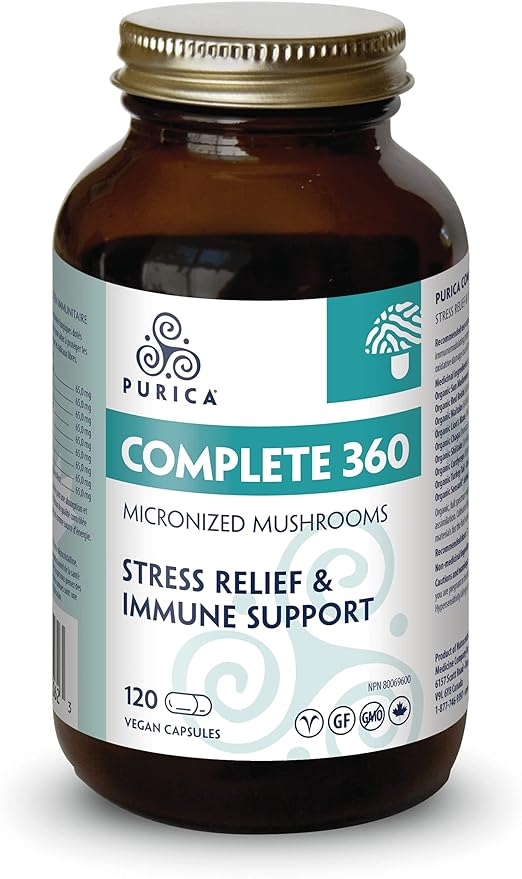
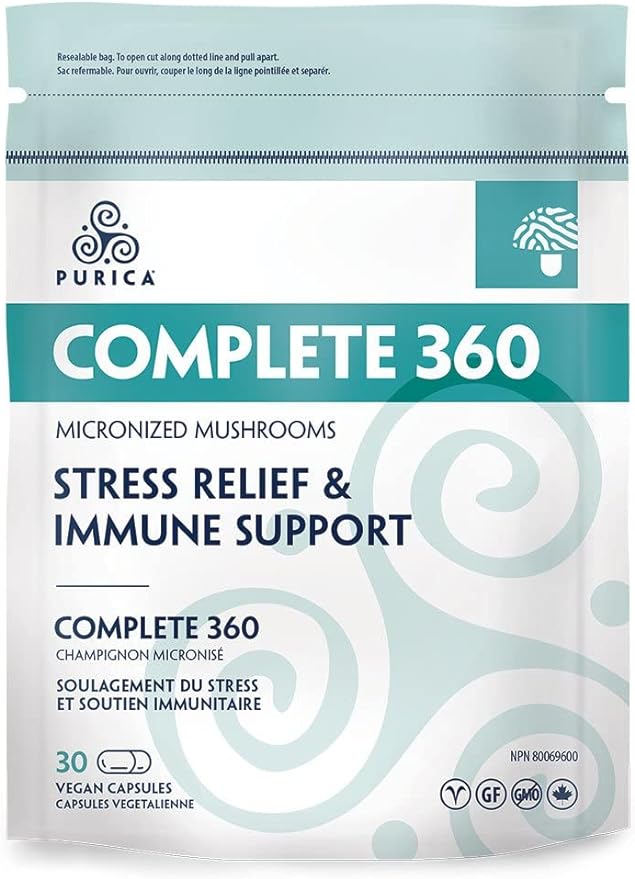
Popular varieties include Reishi (Ganoderma spp.), Lion’s Mane (Hericium erinaceus), Cordyceps, Turkey Tail (Trametes versicolor), Chaga (Inonotus obliquus), Maitake (Grifola frondosa), and Shiitake (Lentinula edodes).
Research into medicinal mushrooms is expanding, but the evidence varies considerably among species, preparations, and health outcomes. Their traditional uses and promising laboratory findings should therefore be distinguished from effects demonstrated in well-controlled human studies.
Key Benefits
Depending on the species and formulation, medicinal mushrooms may:
• Support normal immune function and immune-system signalling
• Provide naturally occurring beta-glucans and other fungal polysaccharides
• Complement cognitive and brain-health routines
• Support energy, exercise, and active-lifestyle goals
• Complement stress-management and healthy-aging routines
• Provide naturally occurring antioxidant compounds
• Support general vitality and wellness
• Offer functional ingredients for mushroom-based nutrition routines
Different mushrooms have different properties; these benefits should not be assumed to apply equally to every species.
Who It’s Ideal For
Medicinal mushroom supplements may appeal to:
• Adults interested in functional mushroom nutrition
• People looking for nutritional immune support
• Individuals interested in Lion’s Mane for cognitive wellness
• Active adults considering Cordyceps-based products
• People incorporating Reishi into relaxation or adaptogenic routines
• Adults looking for antioxidant-rich botanical and fungal ingredients
• People who prefer mushroom powders or extracts in beverages
• Individuals following recommendations from an integrative-health practitioner
People with significant medical conditions or those taking medications should consider the specific mushroom and formulation rather than treating all medicinal mushrooms as interchangeable.
What Are Medicinal Mushrooms?
“Medicinal mushroom” is a popular term for fungi used for traditional wellness purposes or investigated for potentially beneficial biological compounds.
These mushrooms may contain:
• Beta-glucans
• Other polysaccharides
• Triterpenes
• Sterols
• Phenolic compounds
• Proteins and peptides
• Other species-specific constituents
Their chemical composition varies according to the species, strain, growing conditions, fungal material used, extraction process, and finished formulation.
Beta-Glucans & Mushroom Supplements
Beta-glucans are naturally occurring polysaccharides found in the cell walls of fungi, yeast, oats, and certain other organisms.
Mushroom-derived beta-glucans have received particular attention for their interactions with the innate and adaptive immune systems.
However, not all mushroom products provide equivalent amounts or structures of beta-glucans.
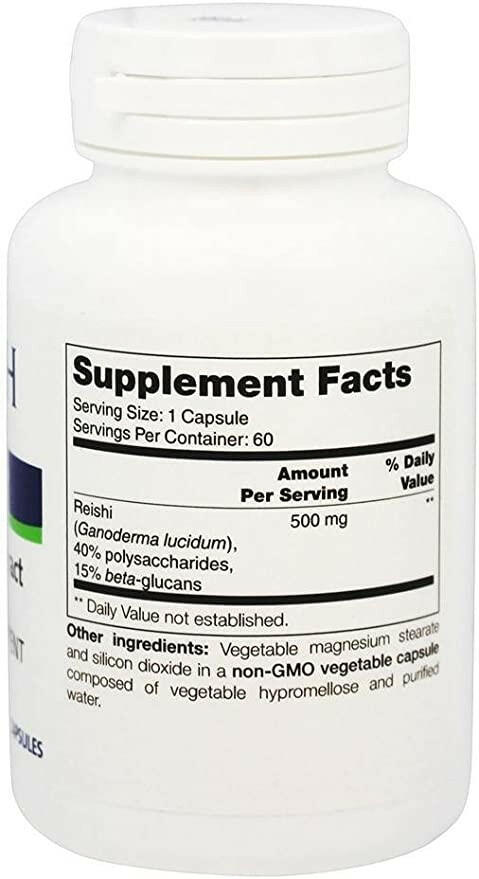
When evaluating mushroom supplements, a declared beta-glucan content can sometimes provide more useful information than a broad “total polysaccharides” claim, since polysaccharide measurements may include compounds other than mushroom beta-glucans.
Medicinal Mushrooms & Immune Function
Many functional mushrooms are studied for immunomodulatory activity.
Immunomodulation is more accurate than simply calling these mushrooms “immune boosters.” A healthy immune system requires coordinated activation and regulation rather than maximum stimulation at all times.
Mushrooms frequently included in immune-oriented formulas include:
• Reishi
• Turkey Tail
• Maitake
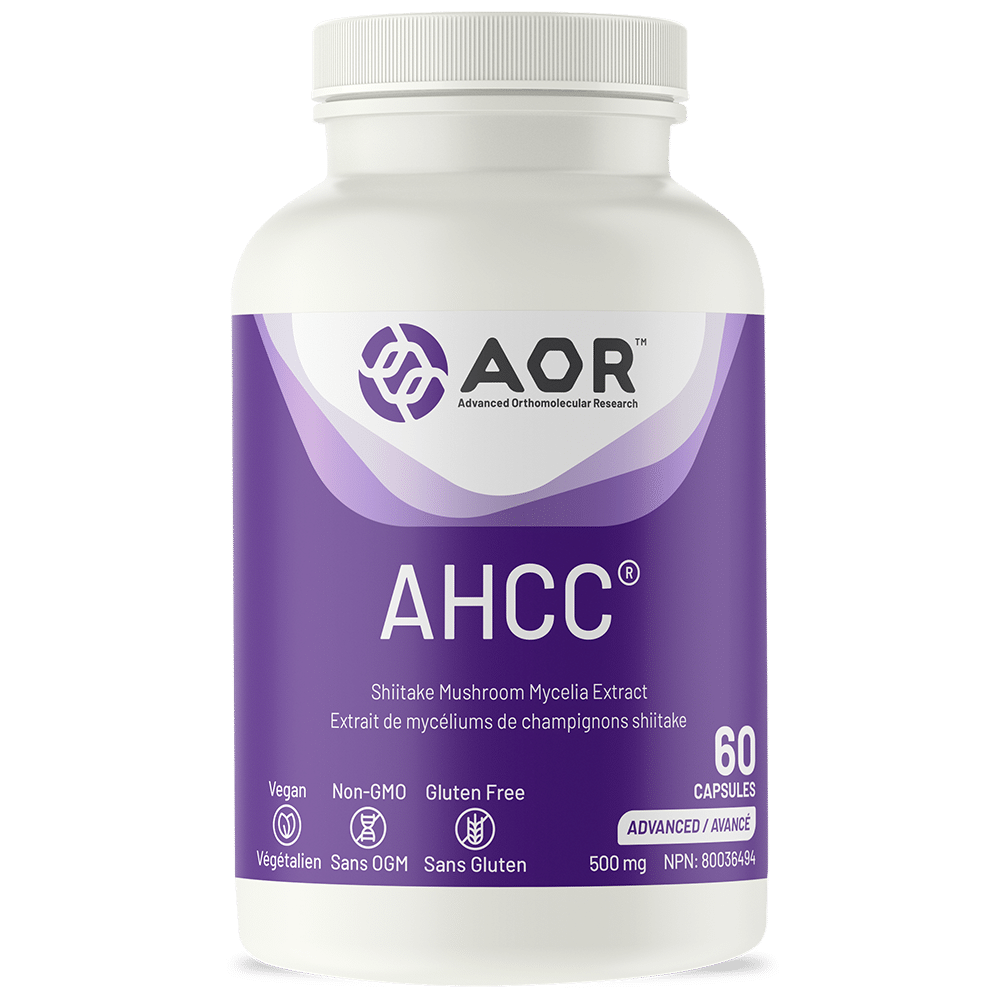
• Shiitake
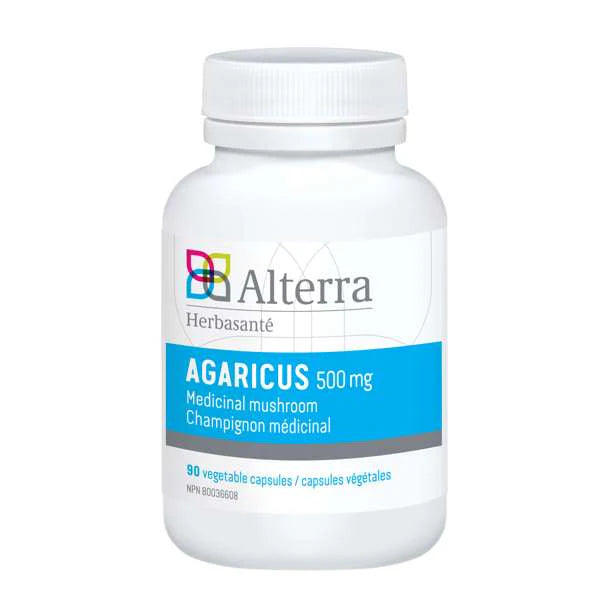
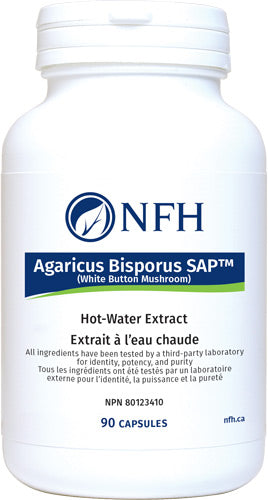
• Agaricus
• Chaga
Their evidence, active constituents, and studied preparations differ significantly.
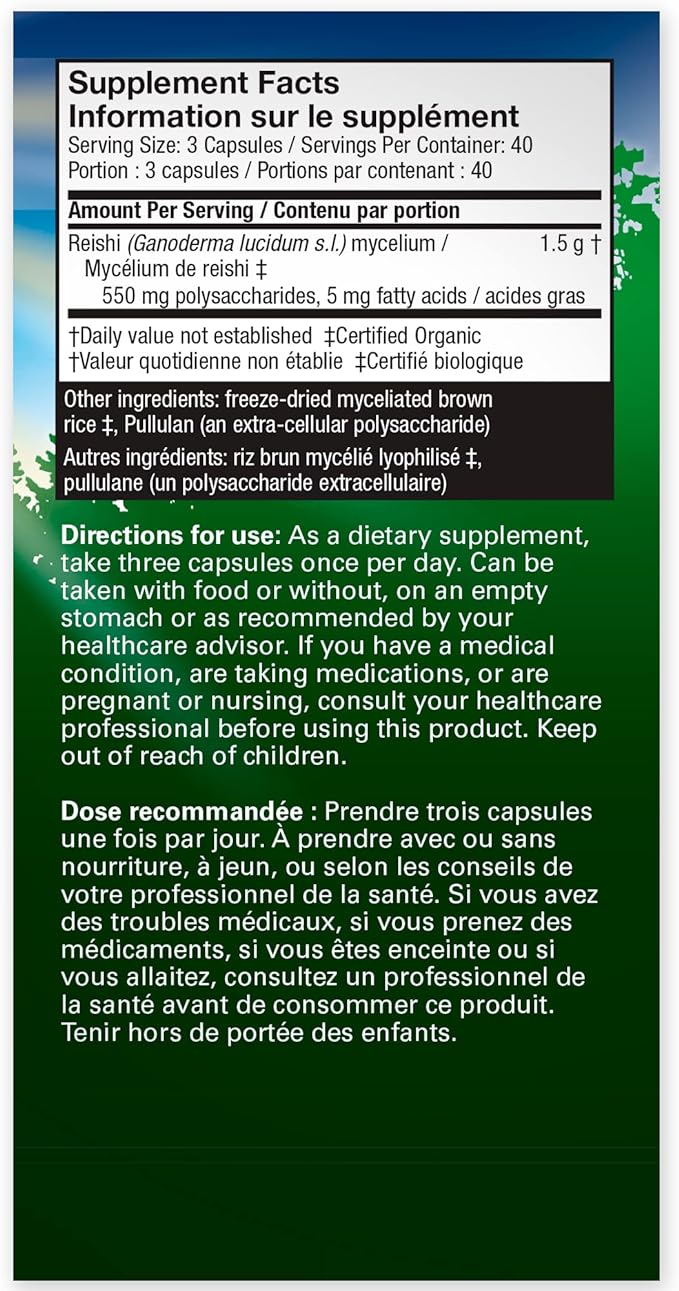
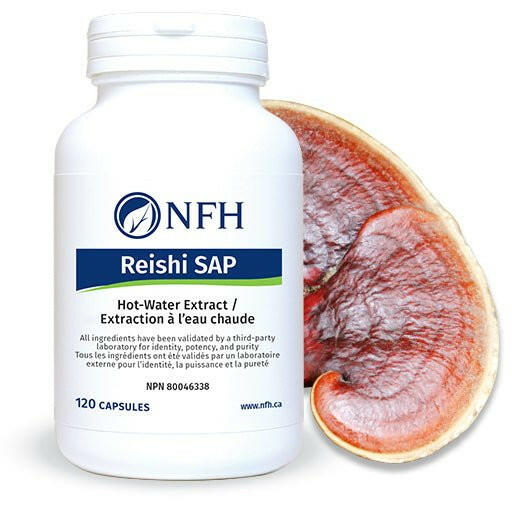
Reishi
Reishi is a traditional medicinal mushroom associated particularly with East Asian herbal practices.
It contains compounds including beta-glucans and triterpenes and is commonly used in formulas targeting:
• Immune wellness
• Stress and adaptation
• Relaxation
• General vitality
• Healthy aging
Reishi is sometimes called the “Mushroom of Immortality,” but this is a traditional cultural name—not a literal health or longevity claim.
Research continues into Reishi’s biological properties, but it should not be presented as a treatment for immune disorders, insomnia, cancer, or other diseases.
Lion’s Mane
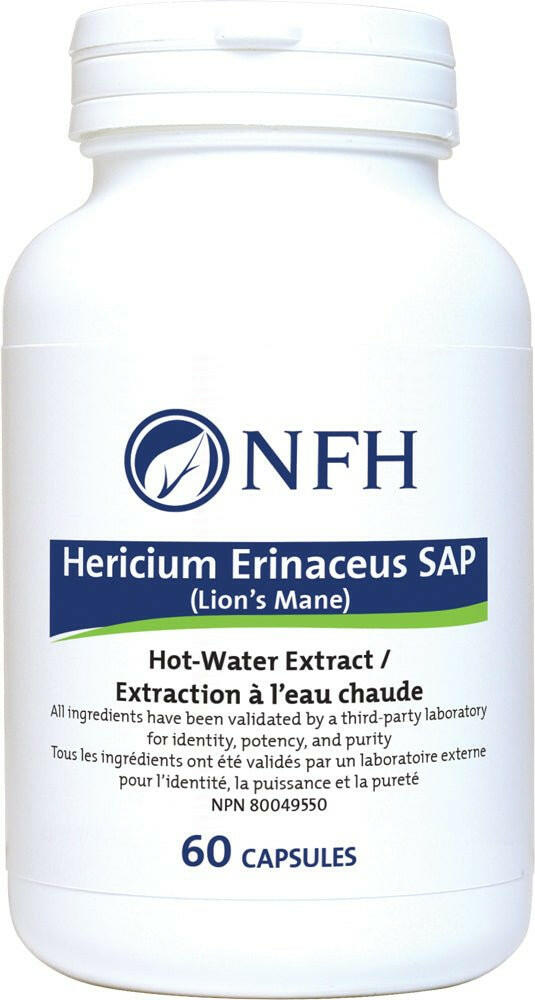
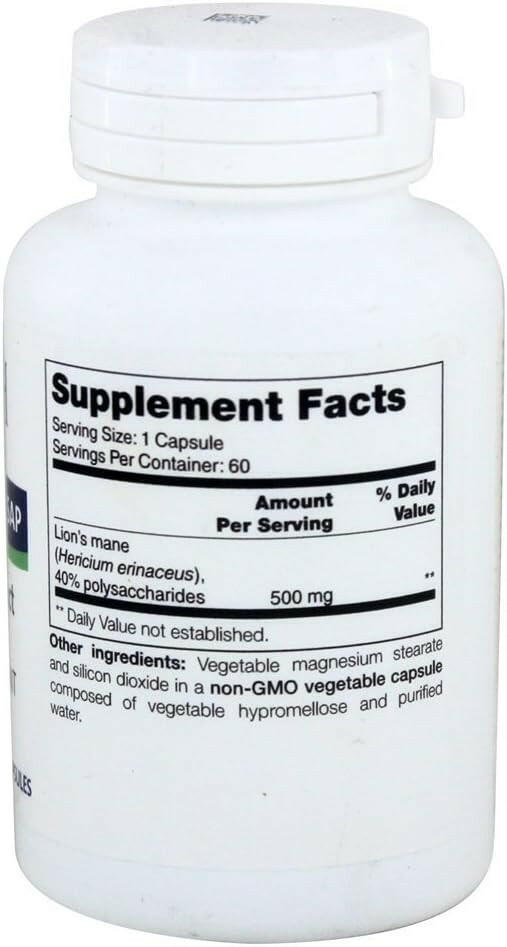
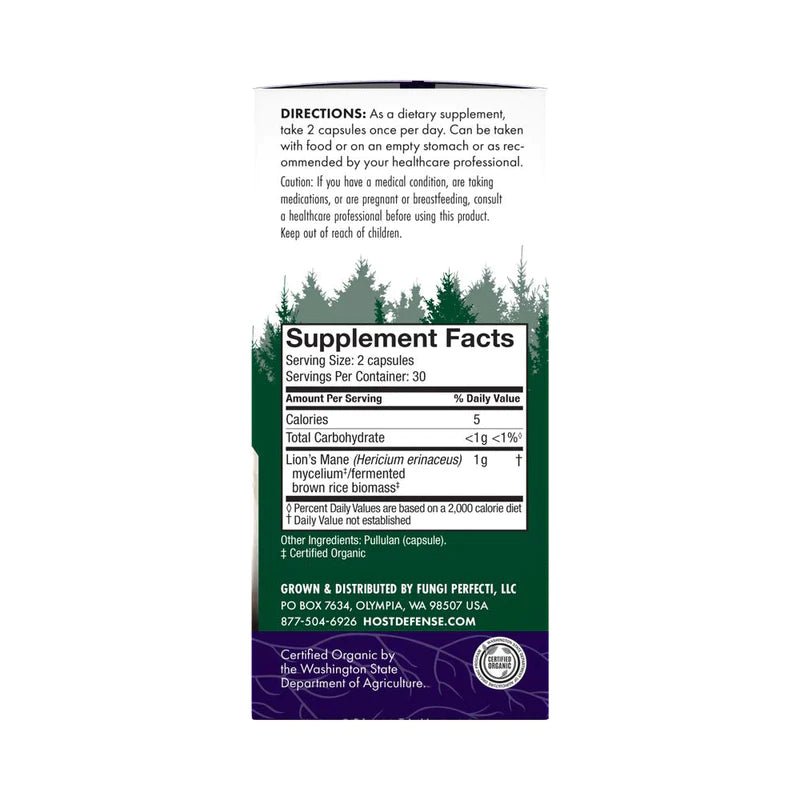
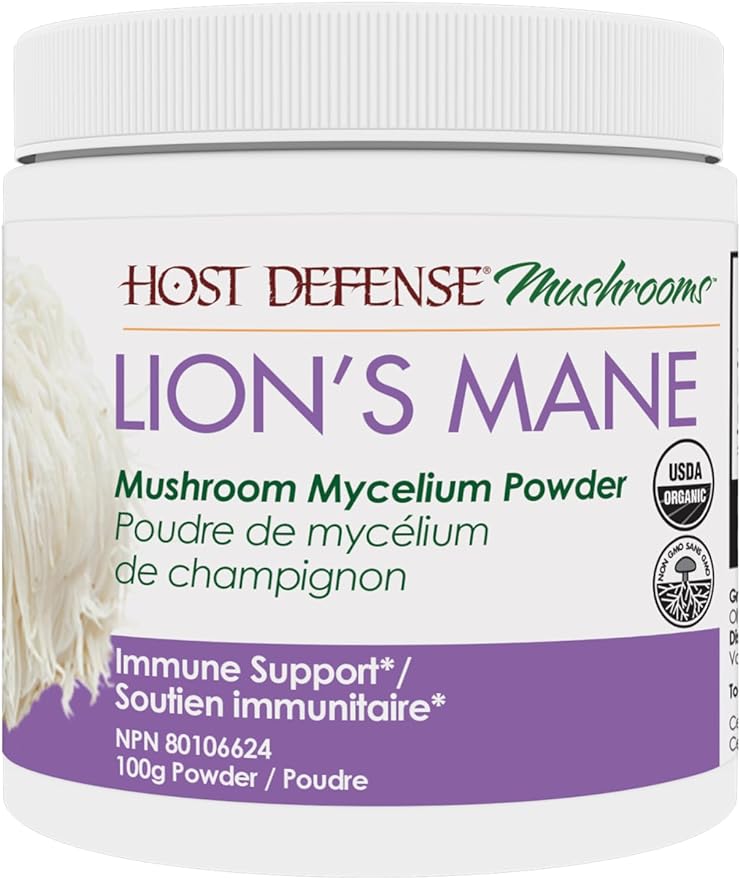
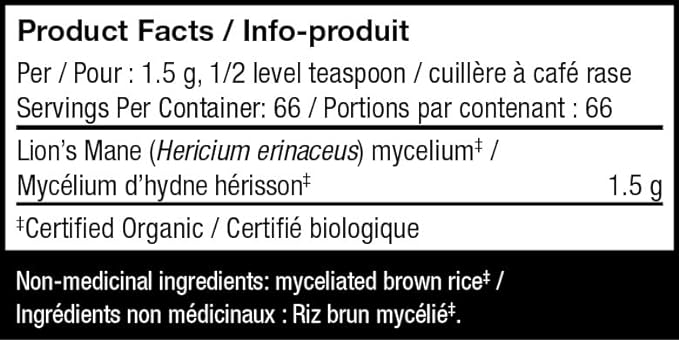
Lion’s Mane (Hericium erinaceus) has become particularly popular for cognitive and nervous-system wellness.
It contains distinctive compounds, including hericenones and erinacines, that have been investigated in relation to pathways associated with nerve growth and neurological function.
Human studies have explored Lion’s Mane in areas such as:
• Cognitive function
• Memory
• Mood and stress
• Healthy aging
The research is promising but still developing.
Lion’s Mane should not be described as proven to regenerate nerves, prevent dementia, or treat neurological disease.
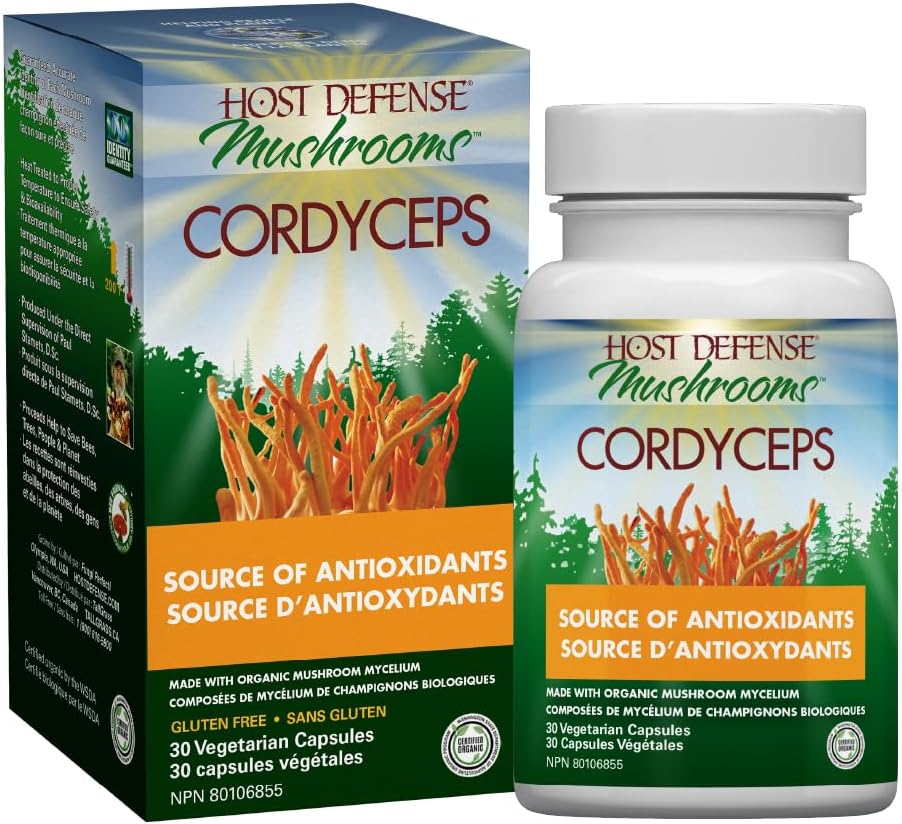
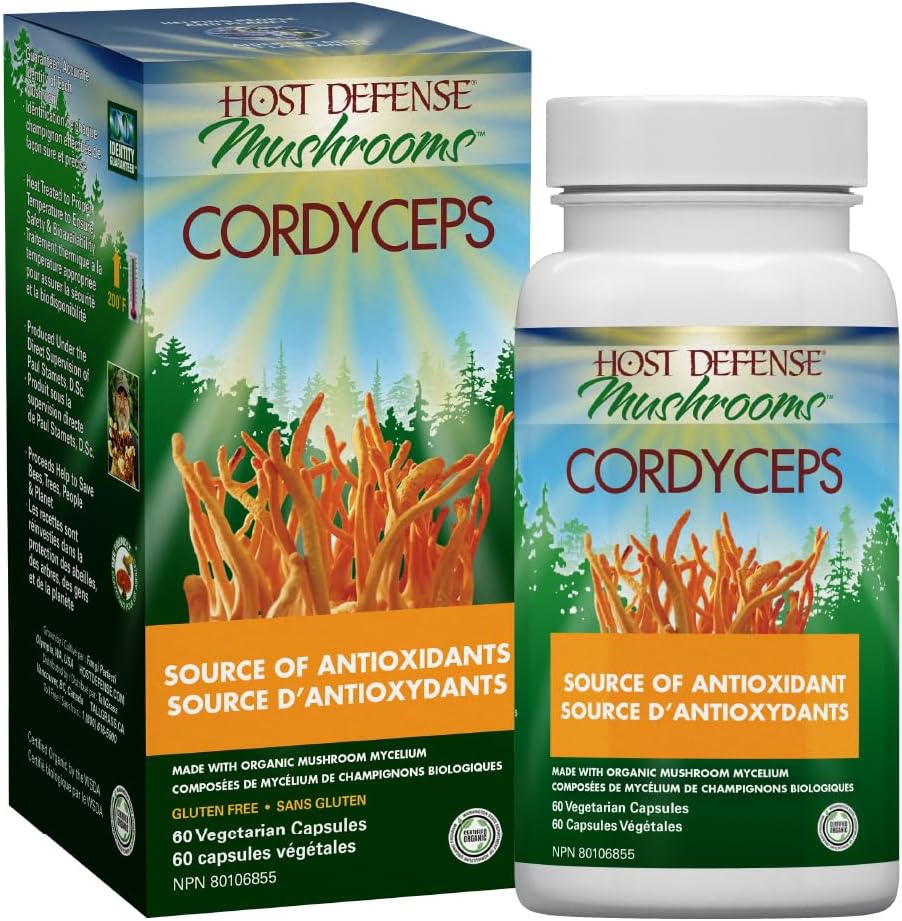
Cordyceps
Cordyceps supplements are commonly marketed for energy, exercise, and vitality.
Modern products frequently use Cordyceps militaris or cultivated fungal materials rather than wild Ophiocordyceps sinensis.
Cordyceps has been investigated for:
• Exercise performance
• Oxygen-utilization-related measures
• Fatigue
• Energy metabolism
• Immune function
Human results are mixed and depend on the preparation and population studied.
Cordyceps is not a stimulant like caffeine, and claims that it reliably increases endurance or athletic performance should be avoided.
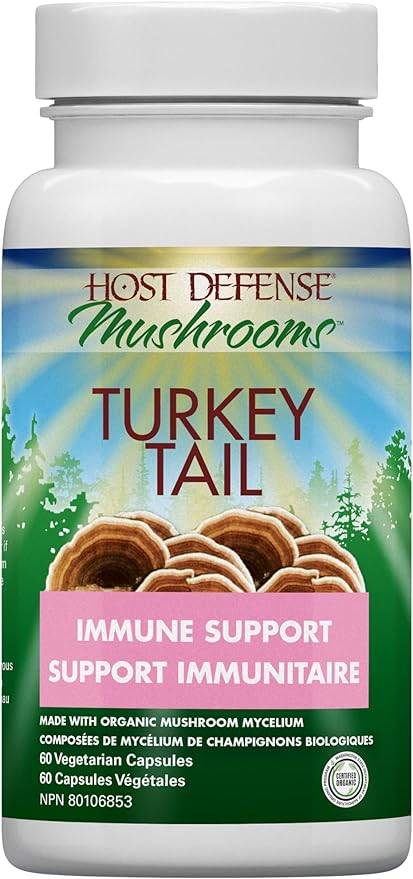
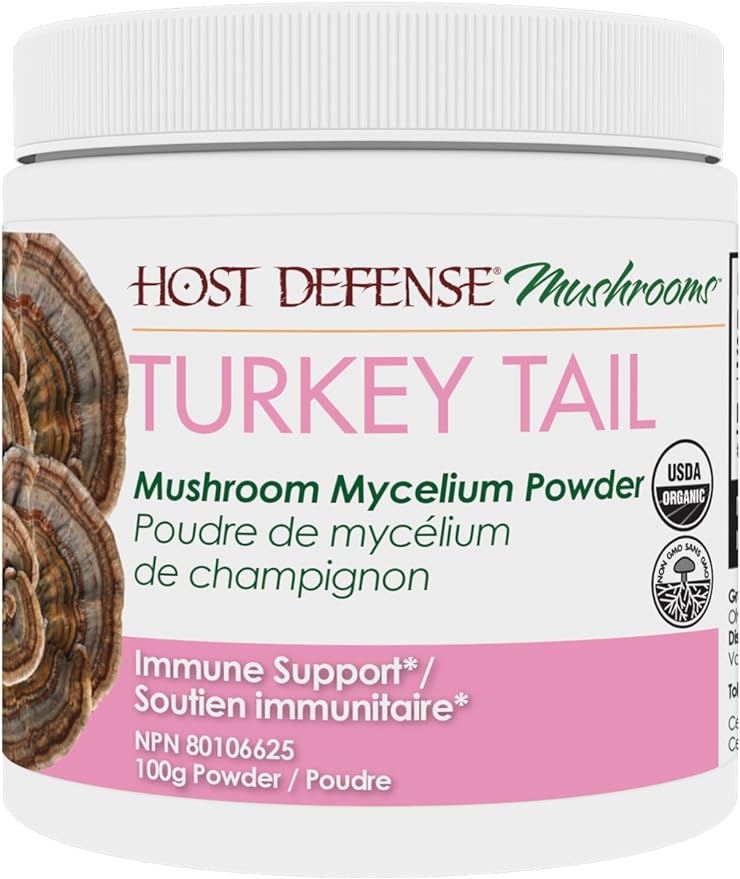
Turkey Tail
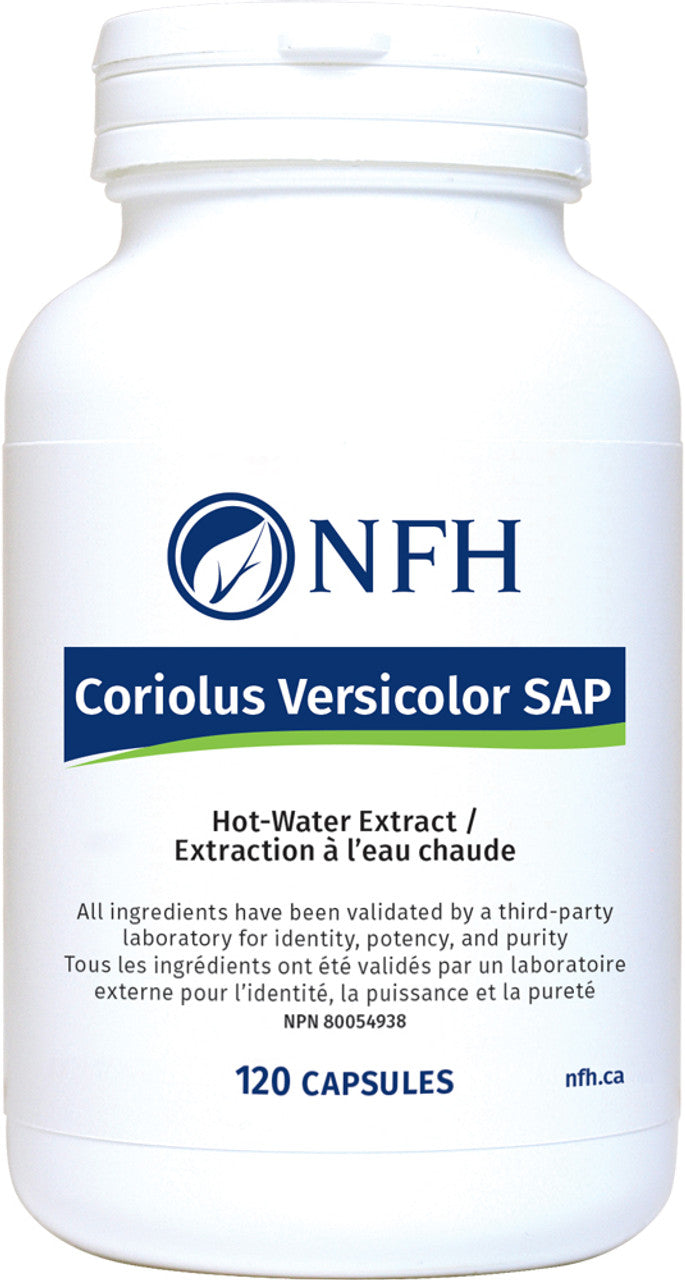
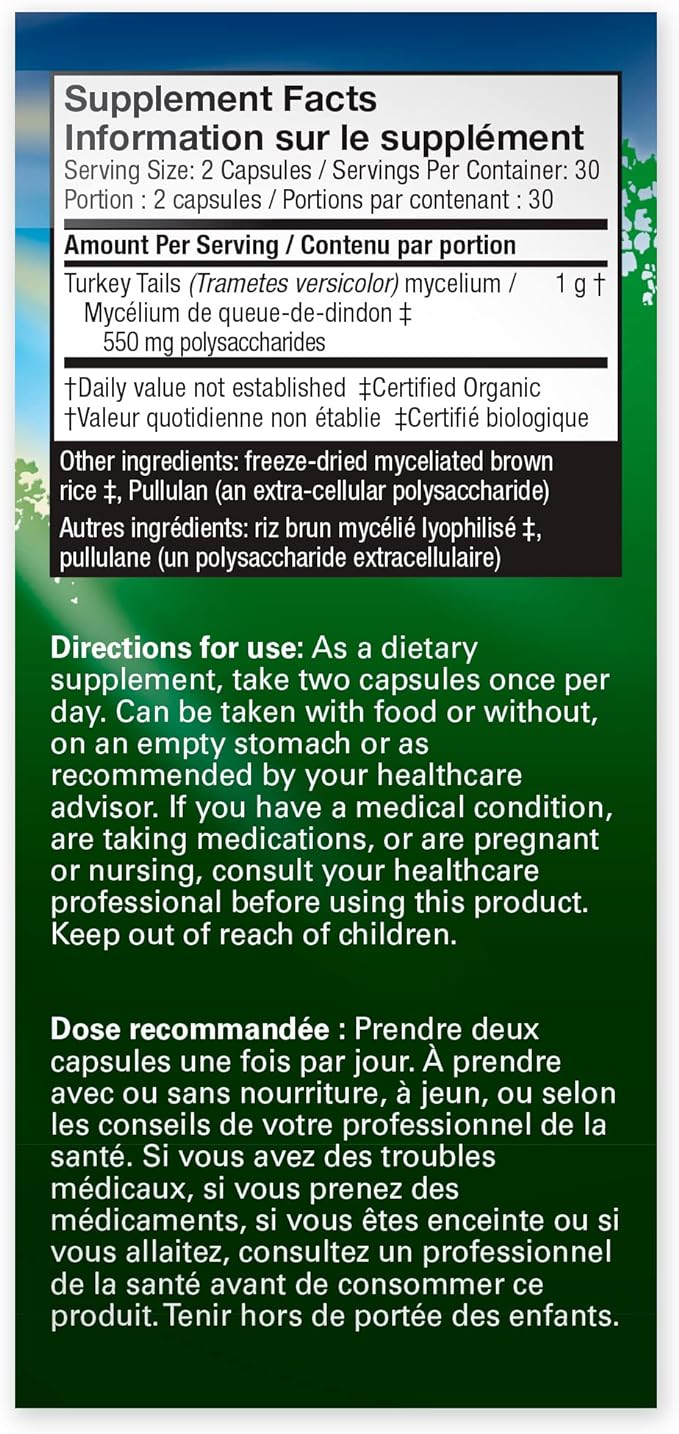
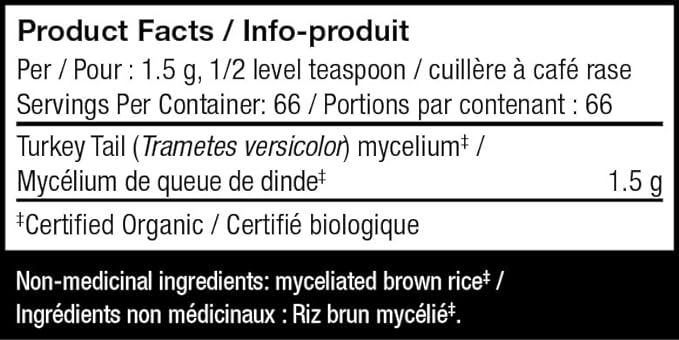
Turkey Tail (Trametes versicolor) is particularly well known for its polysaccharide-rich preparations.
Specific extracts have been extensively researched in immune-related contexts.
An important distinction is that evidence from standardized pharmaceutical or clinical extracts cannot automatically be applied to every over-the-counter Turkey Tail powder or supplement.
General Turkey Tail supplements are best positioned for immune and functional-mushroom wellness rather than disease treatment.
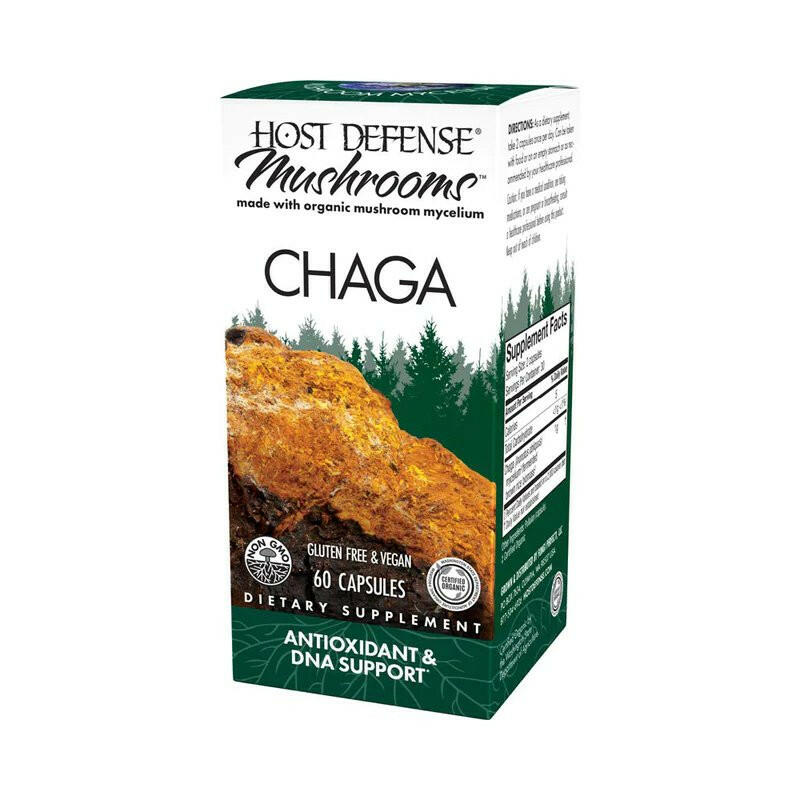
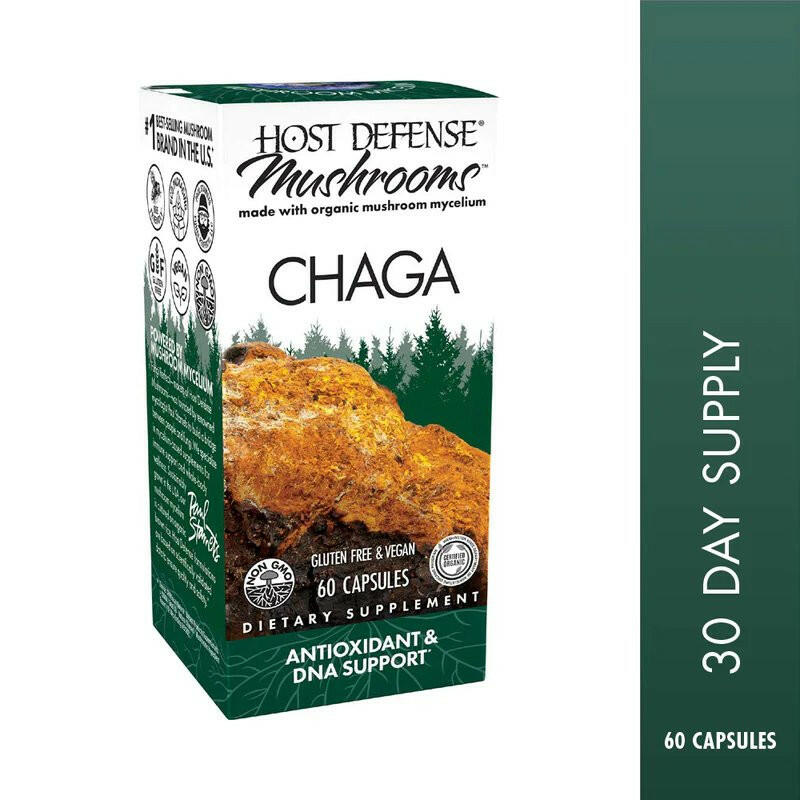
Chaga
Chaga (Inonotus obliquus) is a fungus traditionally used in northern European, Russian, and Asian wellness practices.
It contains numerous compounds with antioxidant activity and has been investigated for:
• Oxidative-stress pathways
• Immune interactions
• Metabolic effects
• Other biological activities
Much of Chaga’s reputation is based on traditional use and laboratory research rather than extensive high-quality human trials.
Claims that Chaga is one of the “most antioxidant-rich foods” are difficult to translate into meaningful clinical benefits and should not be used as proof that it prevents disease.
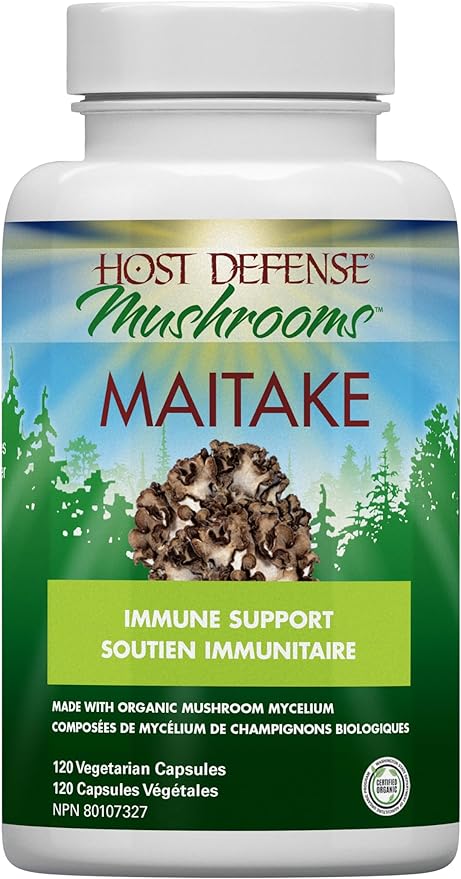
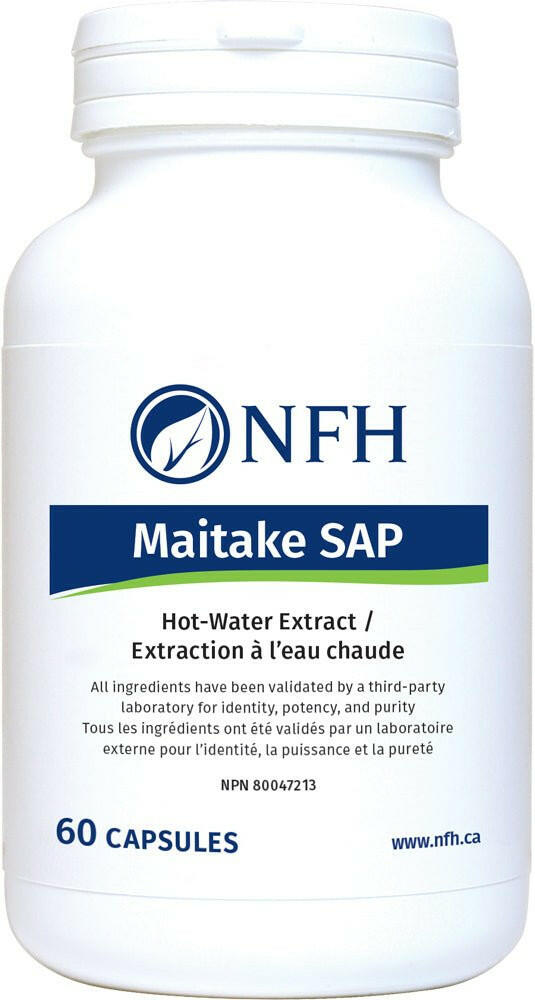
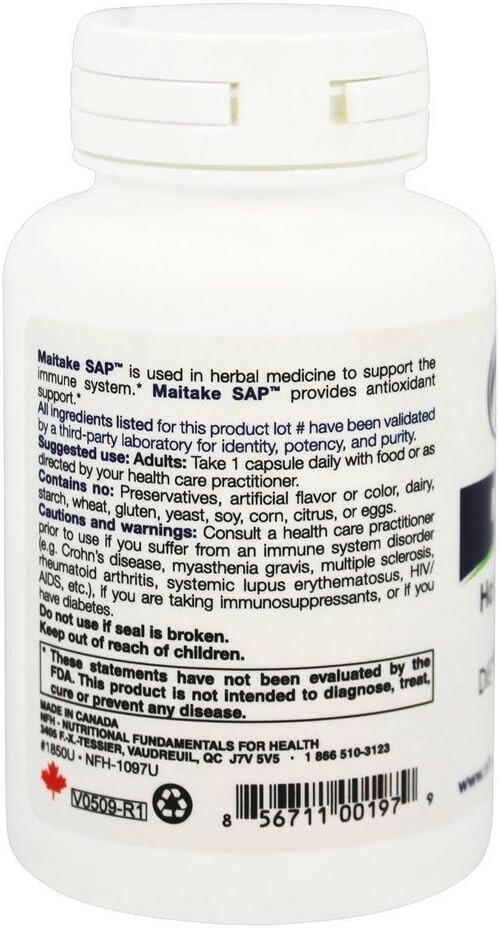
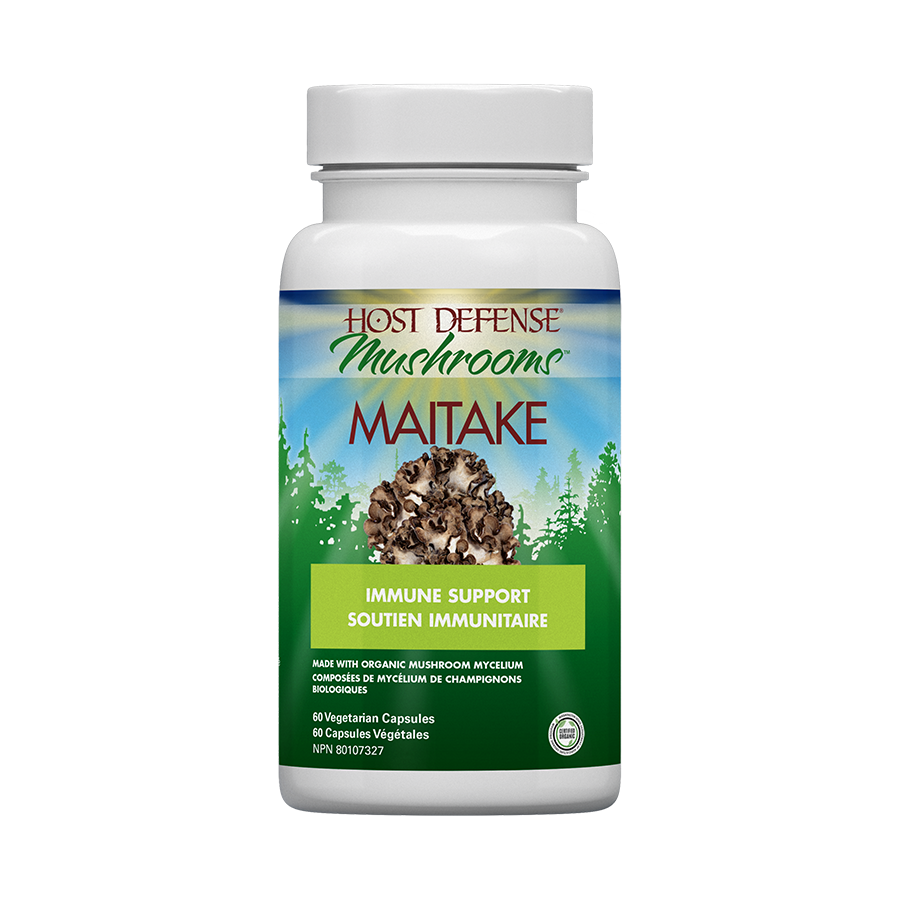
Maitake
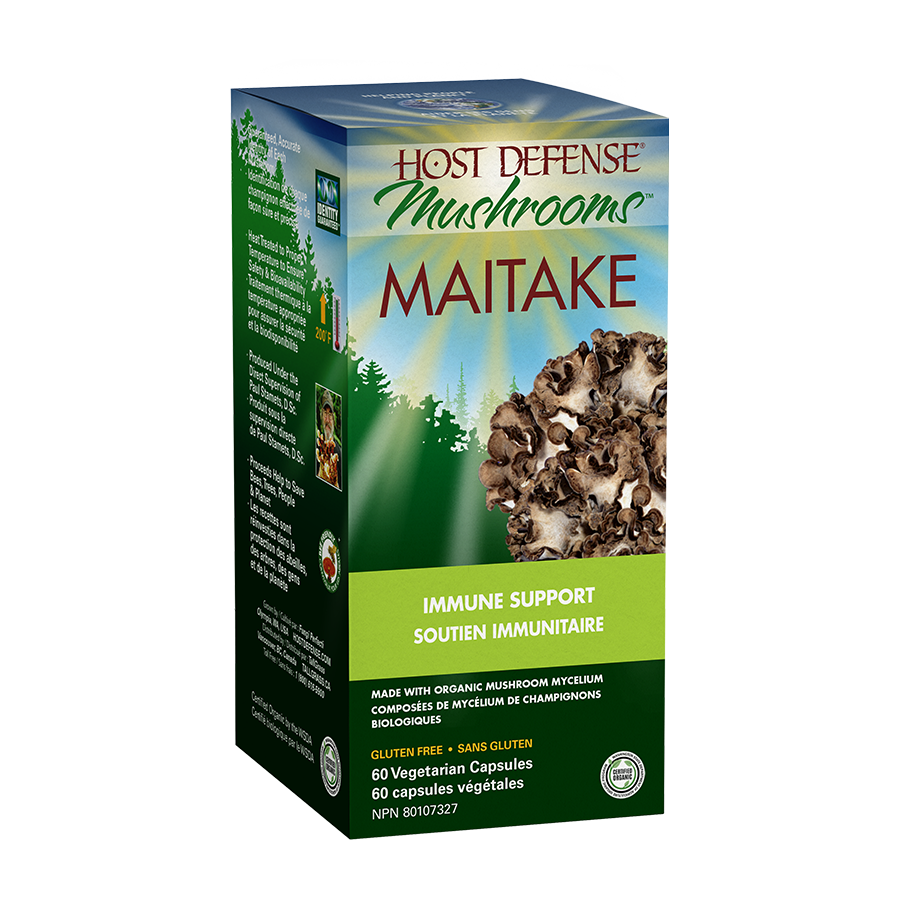
Maitake (Grifola frondosa), also known as Hen of the Woods, is both an edible and functional mushroom.
It contains beta-glucans and other polysaccharides and has been studied for:
• Immune function
• Metabolic health
• Glucose-related pathways
• General wellness
Early research is interesting, but Maitake supplements should not be positioned as treatments for diabetes, immune disorders, or other medical conditions.
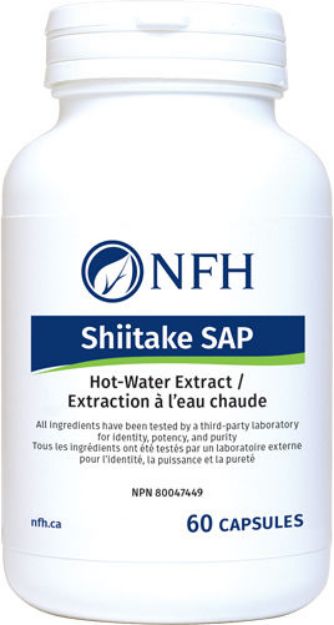
Shiitake
Shiitake (Lentinula edodes) is widely consumed as a culinary mushroom and also used in concentrated functional-mushroom preparations.
It naturally contains beta-glucans and other compounds investigated in relation to:
• Immune function
• Cardiovascular wellness
• Lipid metabolism
• General nutrition
Its status as a nutritious food should be distinguished from claims made for concentrated Shiitake extracts.
Medicinal Mushrooms by Wellness Goal
|
Wellness Goal |
Common Mushroom Options |
Evidence Context |
|---|---|---|
|
Immune Support |
Reishi, Turkey Tail, Maitake, Shiitake, Agaricus |
Beta-glucans and immune signalling are major research areas |
|
Cognitive Wellness |
Lion’s Mane |
Promising but developing human evidence |
|
Energy & Active Lifestyle |
Cordyceps |
Exercise and fatigue findings remain mixed |
|
Stress & Relaxation |
Reishi |
Primarily traditional use with emerging research |
|
Antioxidant Support |
Chaga, Reishi, Shiitake |
Strong laboratory interest; clinical significance varies |
|
Metabolic Wellness |
Maitake, Reishi |
Preliminary and formulation-dependent evidence |
|
General Mushroom Nutrition |
Shiitake, Maitake, mushroom blends |
Depends on food vs concentrated extract |
Fruiting Body vs Mycelium
Mushroom supplements may use the fruiting body, mycelium, or both.
Fruiting Body
The visible mushroom structure produced by many fungi.
Mycelium
The network of fungal filaments from which mushrooms may grow.
It is too simplistic to claim that fruiting-body products are always superior or that mycelium is inherently ineffective.
Quality depends on factors including:
• Species identification
• Growing substrate
• Extraction method
• Active-compound profile
• Beta-glucan content
• Residual starch
• Manufacturing controls
• Independent testing
The actual composition of the finished supplement matters more than marketing terminology alone.
Mushroom Extracts vs Powders
Whole Mushroom Powders
Contain dried and powdered fungal material with relatively minimal processing.
Extracts
Use water, alcohol, or other extraction methods to concentrate selected soluble compounds.
Hot-Water Extracts
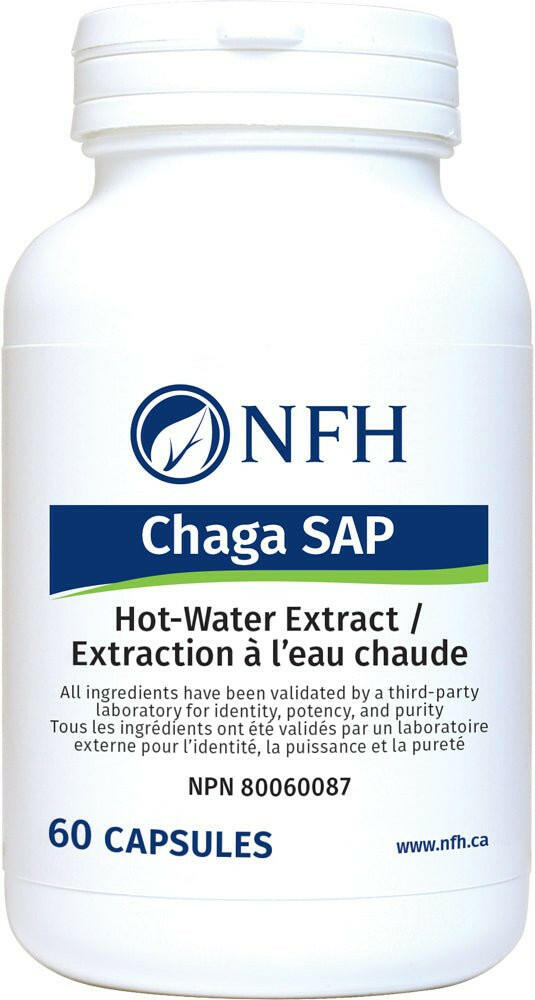
Often used to extract water-soluble polysaccharides such as beta-glucans.
Dual Extracts
Typically use both water and alcohol-based extraction processes to obtain a broader range of constituents.
Different species contain different compounds, so there is no single extraction method that is automatically best for every mushroom.
Mushroom Powders
Powders can provide a convenient way to add functional mushrooms to:
• Coffee
• Tea
• Smoothies
• Protein shakes
• Other foods and beverages
Some powders contain a single mushroom, while others combine several species.
Check serving size carefully because concentrated extracts and whole-mushroom powders cannot necessarily be compared gram-for-gram.
Multi-Mushroom Blends
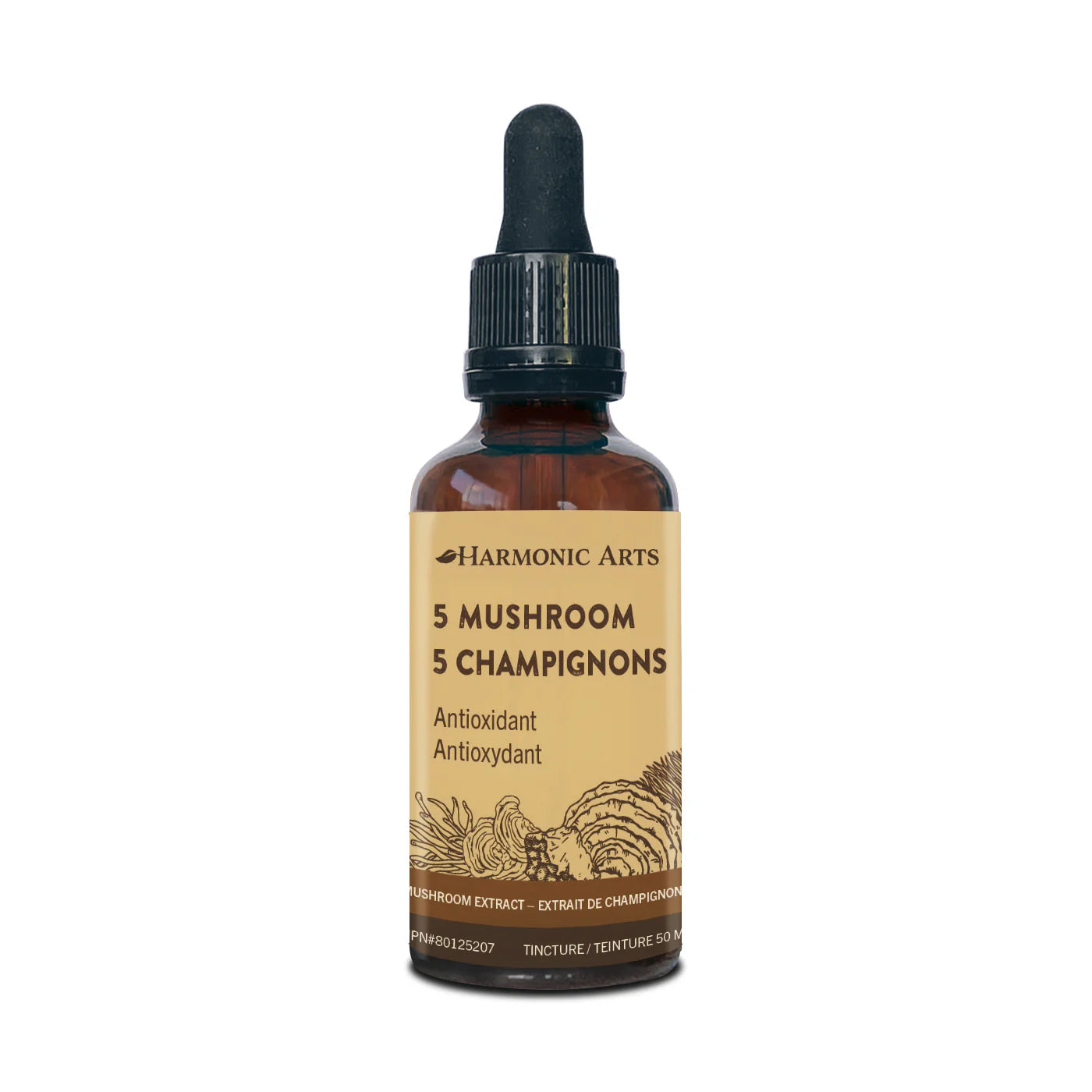
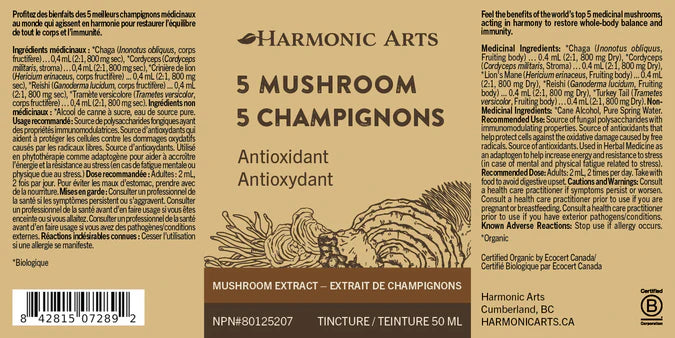
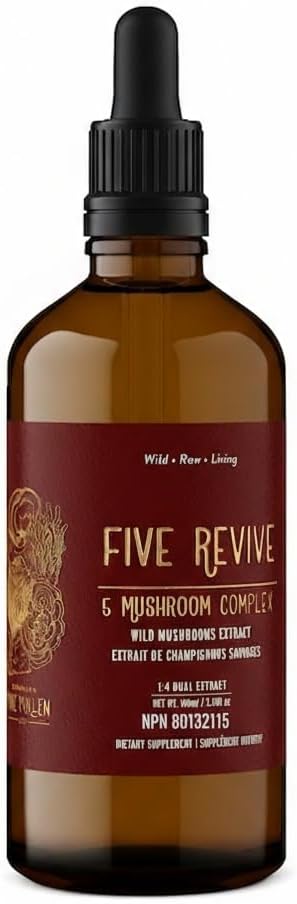
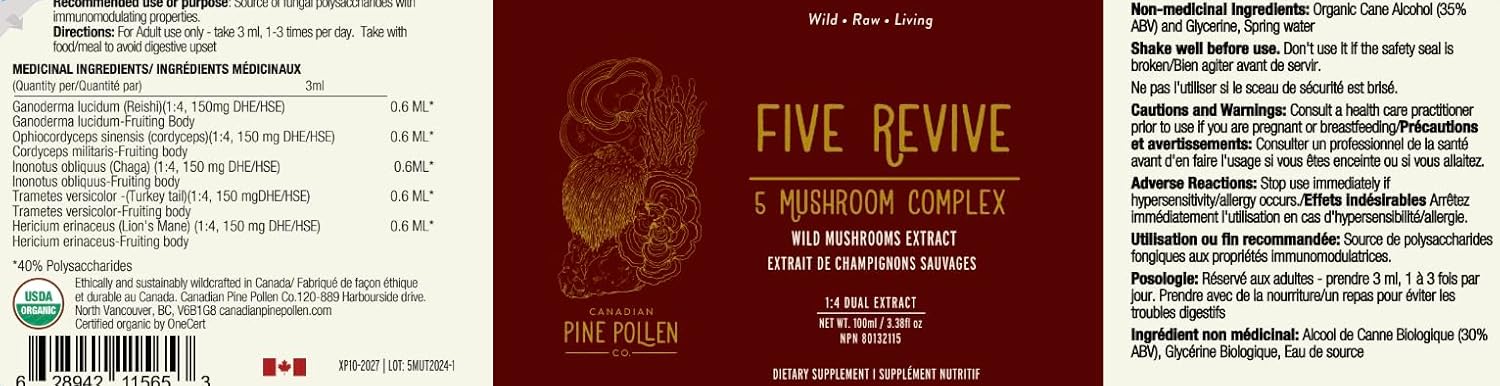
Multi-mushroom formulas combine several species into one product.
Common combinations may include:
• Lion’s Mane
• Reishi
• Cordyceps
• Turkey Tail
• Chaga
• Maitake
• Shiitake
Blends can provide convenience and broader fungal diversity, but adding more mushroom species does not automatically make a formula more effective.
Check the amount of each mushroom, whether individual quantities are disclosed, and whether the product identifies standardized beta-glucan content or other relevant quality markers.
How to Choose a Medicinal Mushroom Supplement
Identify Your Primary Goal
Choose the mushroom according to the intended wellness purpose rather than automatically selecting the largest blend.
Confirm the Species
Look for clear botanical or scientific identification of the mushroom.
Check the Mushroom Material
Determine whether the formula uses fruiting body, mycelium, or both.
Review Beta-Glucan Content
When disclosed, beta-glucan measurements may provide useful information about mushroom polysaccharide content.
Consider Extraction
The appropriate extraction method depends on the species and compounds of interest.
Look for Transparent Labelling
Prefer products that clearly disclose ingredients, amounts, fungal material, and extraction details rather than relying primarily on proprietary marketing terminology.
Consider Quality Testing
Mushrooms can accumulate environmental contaminants, making responsible sourcing and testing important.
Medicinal Mushrooms & Stress
Some medicinal mushrooms—particularly Reishi and Cordyceps—are frequently described as adaptogens.
“Adaptogen” is a wellness term generally used for substances intended to support resilience during periods of stress.
This does not mean mushrooms directly normalize cortisol or treat adrenal dysfunction.
Sleep, nutrition, physical activity, psychological support, and appropriate healthcare remain central to stress management.
Medicinal Mushrooms & Gut Health
Mushroom cell walls contain complex polysaccharides that can interact with intestinal microorganisms.
Researchers are investigating how mushroom compounds influence:
• Gut microbial communities
• Fermentation
• Short-chain fatty-acid production
• Intestinal immune signalling
This is an emerging field.
It is premature to claim that medicinal mushrooms universally “restore” or “rebalance” the gut microbiome.
Safety & Responsible Use
Medicinal mushroom supplements are not appropriate for everyone.
Professional guidance may be particularly important for people who:
• Take anticoagulant or antiplatelet medications
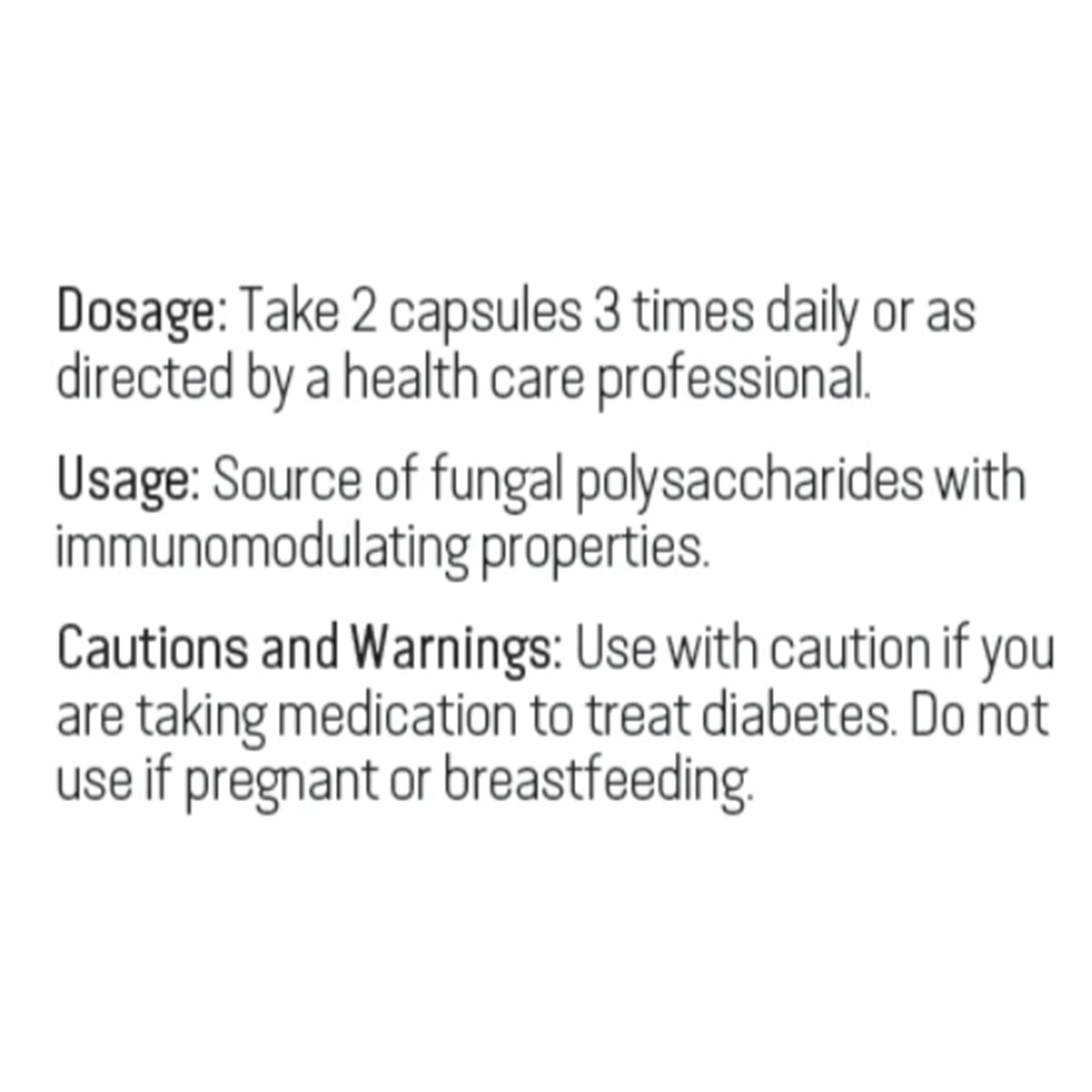
• Use diabetes medications
• Use blood-pressure medications
• Take immunosuppressant medication
• Have autoimmune or significant immune-related conditions
• Have mushroom allergies
• Have kidney or liver disease
• Are preparing for surgery
• Are pregnant or breastfeeding
Concentrated mushroom extracts may have different safety considerations from eating ordinary culinary mushrooms.
Special Consideration with Chaga
Chaga can contain substantial amounts of oxalates, depending on the preparation and source.
Excessive or prolonged intake may therefore be inappropriate for people with certain kidney conditions or a history of oxalate kidney stones.
This is another reason not to assume that unlimited intake of a “natural” mushroom product is harmless.
FAQs
What are medicinal mushrooms?
Medicinal or functional mushrooms are fungi traditionally used for wellness or studied for compounds such as beta-glucans, polysaccharides, and species-specific bioactive constituents.
Which mushroom is commonly used for brain health?
Lion’s Mane is the mushroom most commonly associated with cognitive and nervous-system research, although evidence is still developing.
Which medicinal mushrooms are used for immune support?
Reishi, Turkey Tail, Maitake, Shiitake, and Agaricus are commonly found in immune-oriented formulas.
Which mushroom is commonly used for energy?
Cordyceps is frequently used in energy and active-lifestyle supplements, although human research on performance benefits is mixed.
What are mushroom beta-glucans?
They are polysaccharides found in fungal cell walls that have been extensively investigated for their interactions with the immune system.
Is fruiting body better than mycelium?
Not automatically. The quality of a mushroom supplement depends on species, substrate, extraction, active-compound content, testing, and the composition of the finished product.
Are mushroom powders and extracts the same?
No. Powders generally contain dried fungal material, while extracts concentrate selected soluble compounds through processing.
Can I take several medicinal mushrooms together?
Multi-mushroom formulas are widely available, but suitability depends on the individual mushrooms, doses, medications, and health circumstances.
Can medicinal mushrooms treat cancer?
No general medicinal-mushroom supplement should be considered a cancer treatment. Certain highly standardized mushroom-derived preparations have been researched in oncology settings, but this should not be generalized to retail supplements or used instead of cancer treatment.
Can medicinal mushrooms interact with medications?
Yes. Depending on the species and formulation, potential interactions may involve anticoagulants, diabetes medications, blood-pressure medications, immunosuppressants, and other drugs.
Why Shop Medicinal Mushrooms at Coal Harbour Pharmacy?
• Pharmacist-curated medicinal and functional mushroom supplements
• Reishi, Lion’s Mane, Cordyceps, Turkey Tail, Chaga, Maitake, and more
• Single-mushroom and multi-mushroom formulas
• Capsules, powders, tinctures, and concentrated extracts
• Trusted professional and natural-health brands
• Fast Canada-wide shipping
Related Collections
────────────────────────────────────
Shop Medicinal Mushrooms →
Sort by
41 products


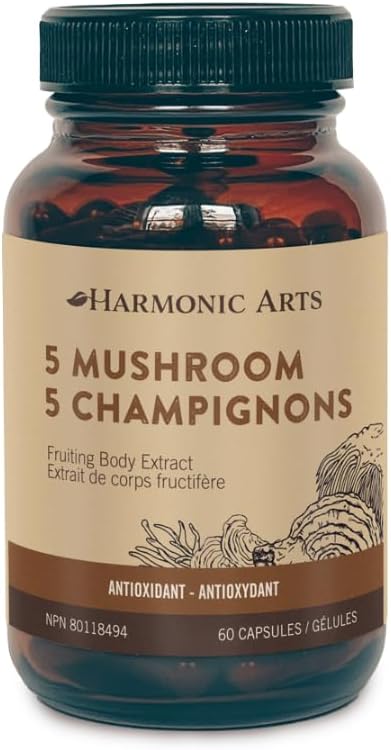
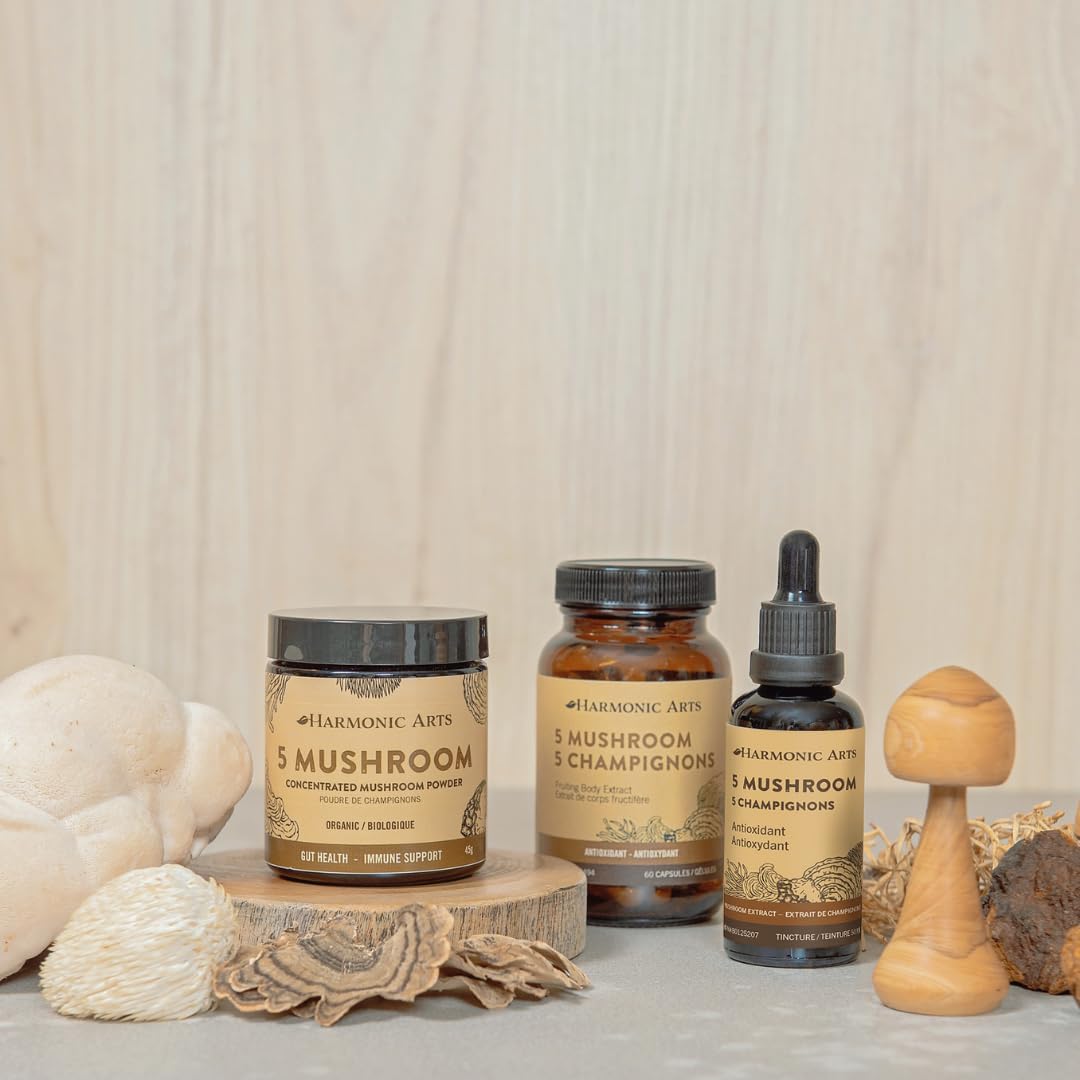
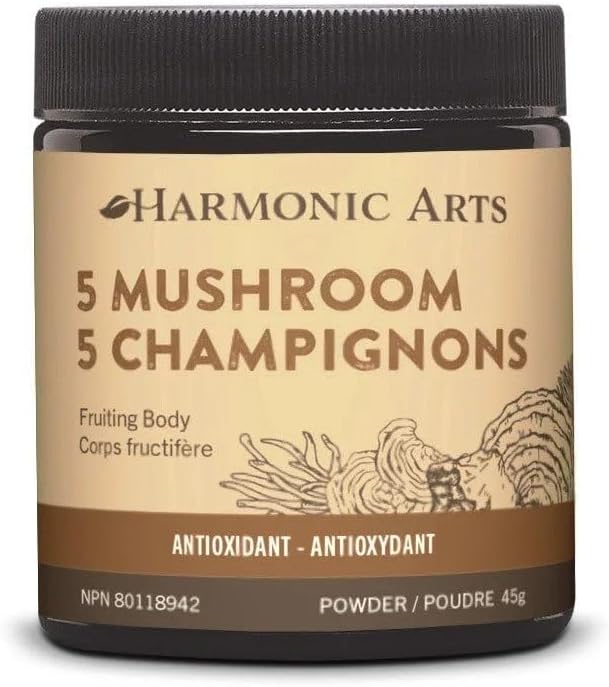
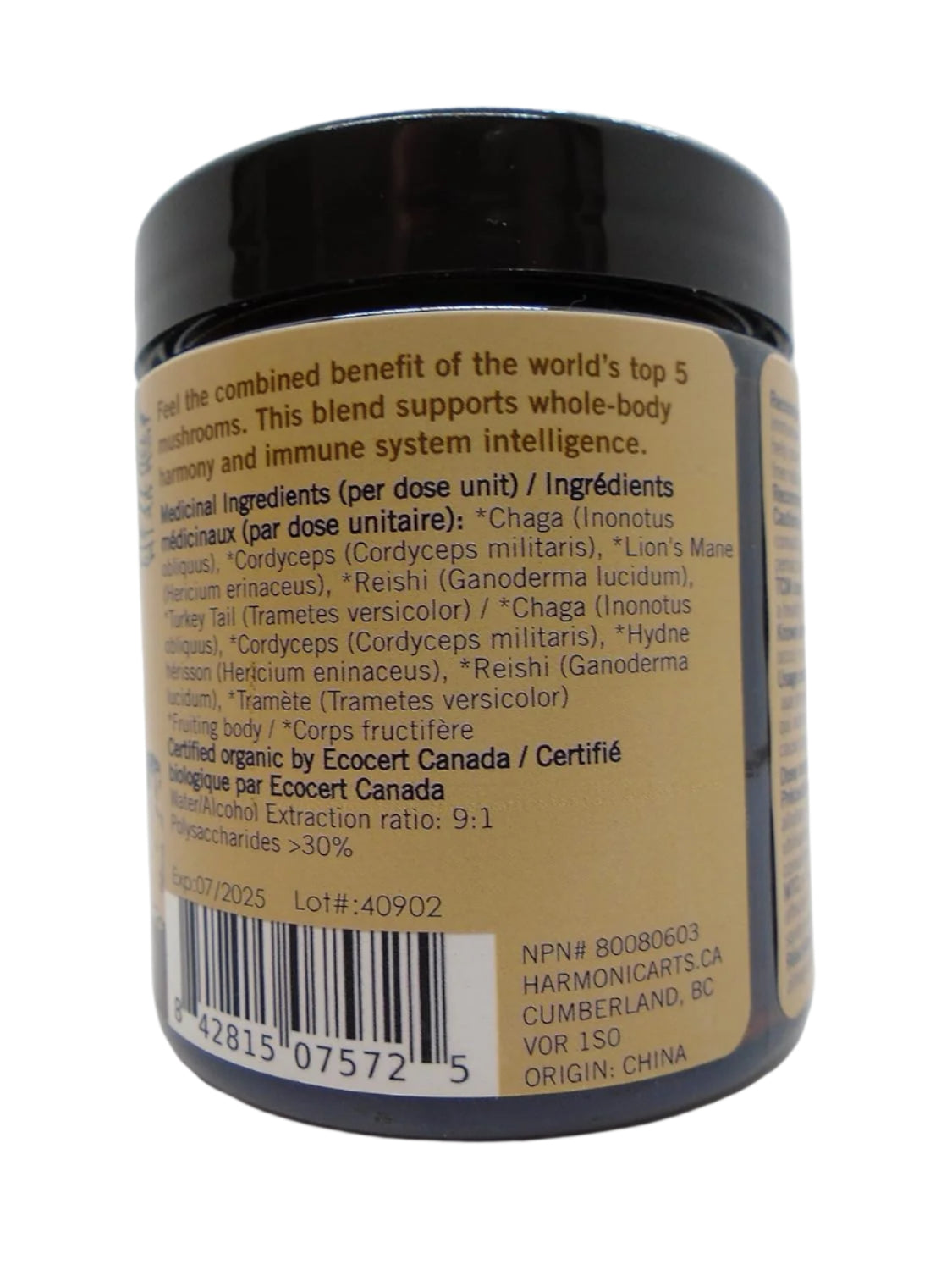


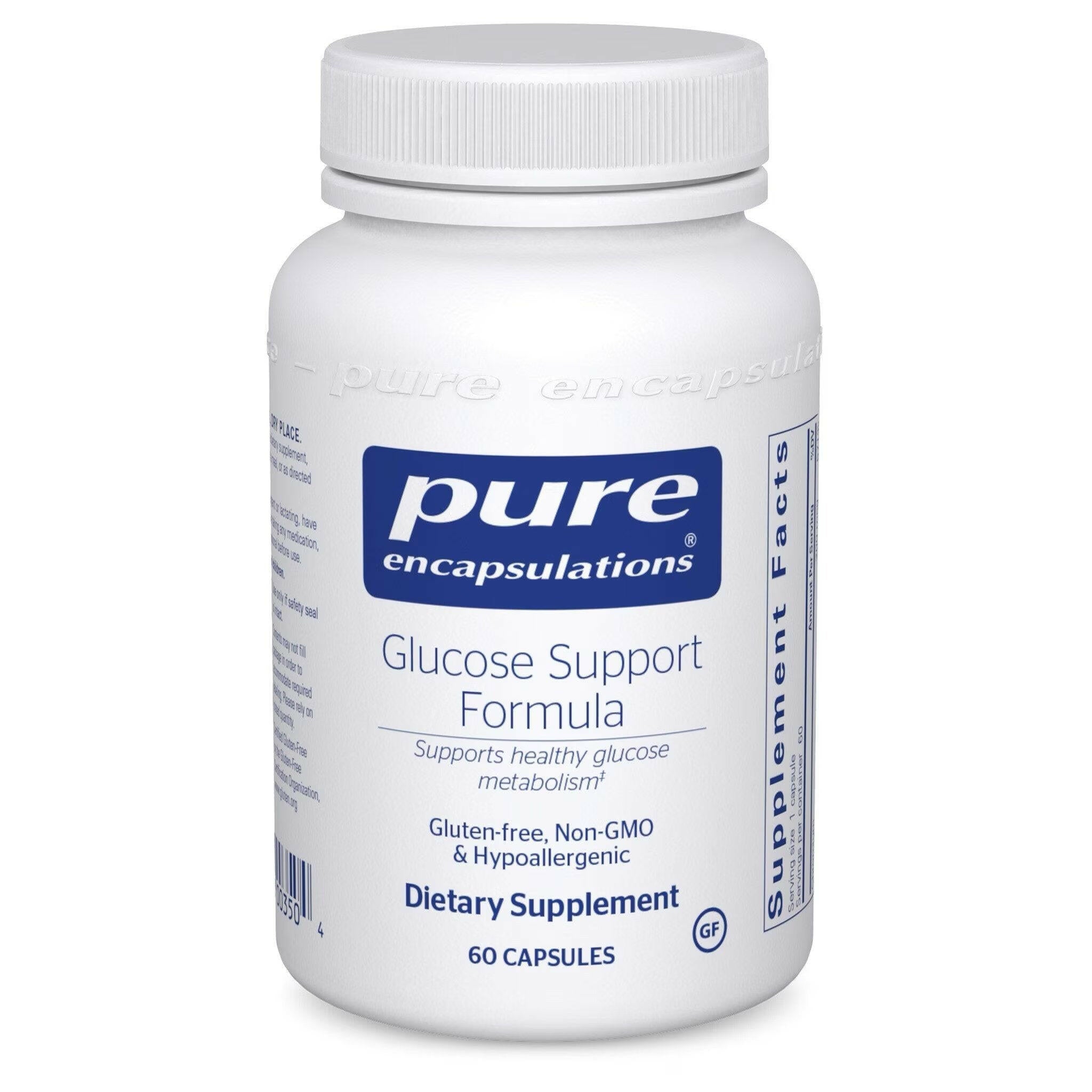
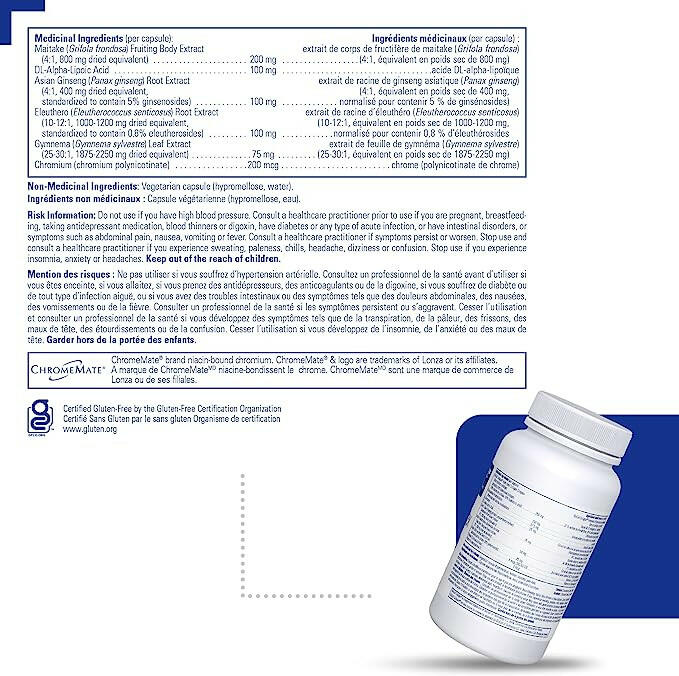


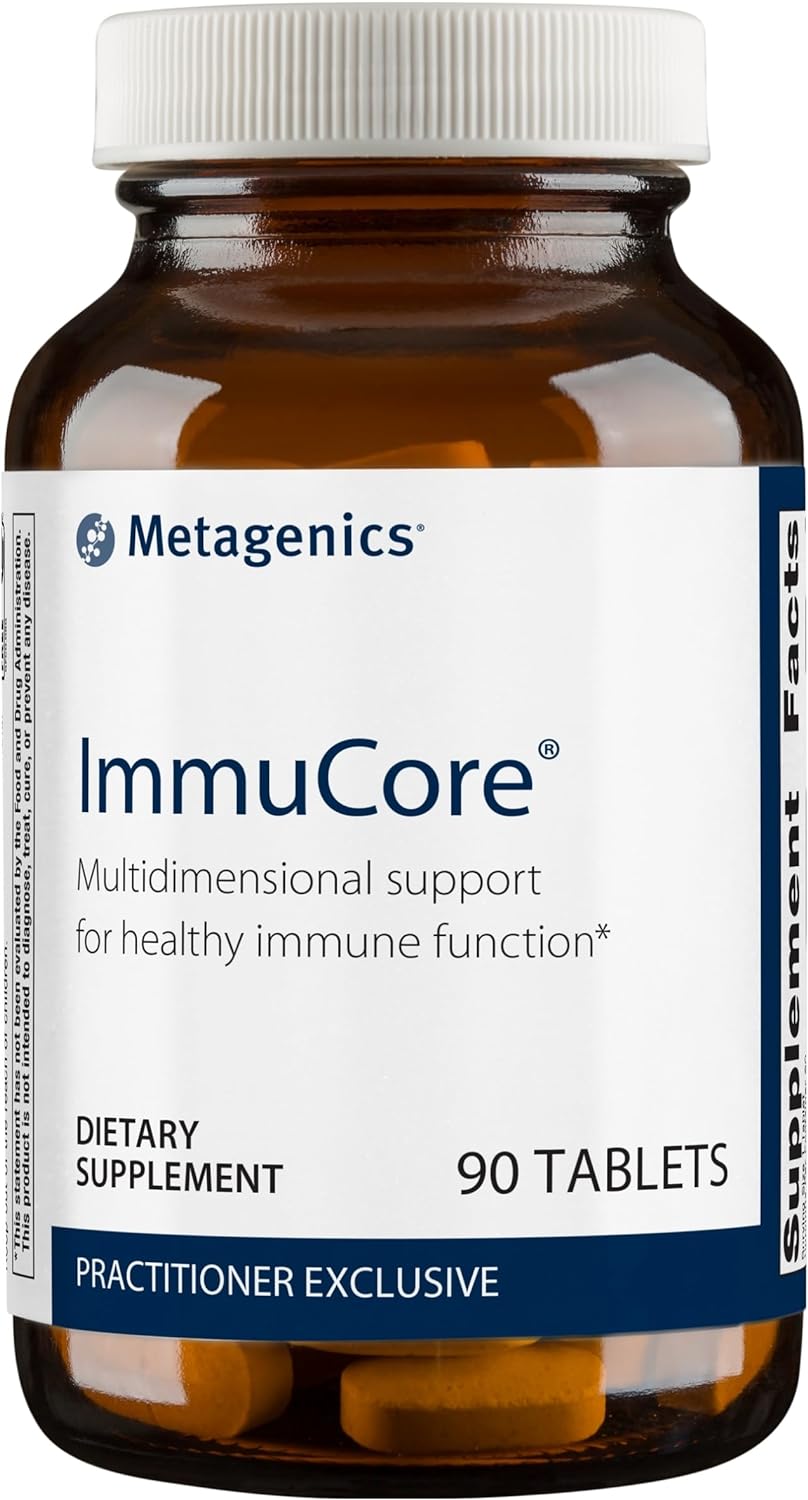

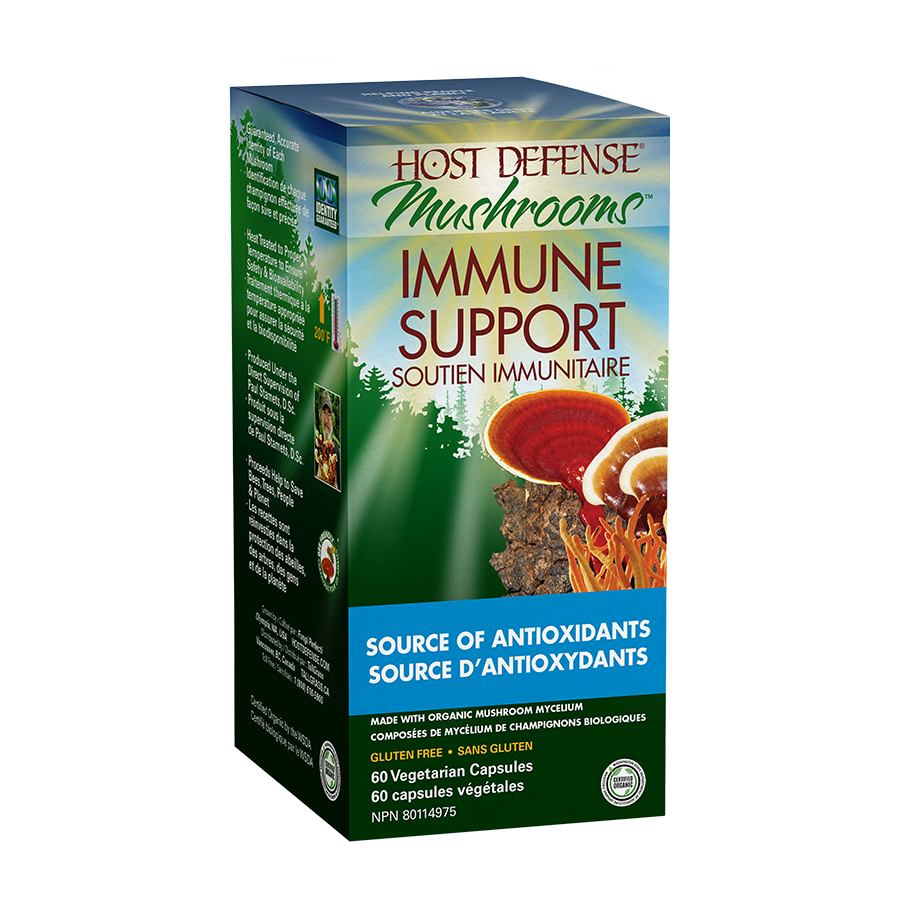
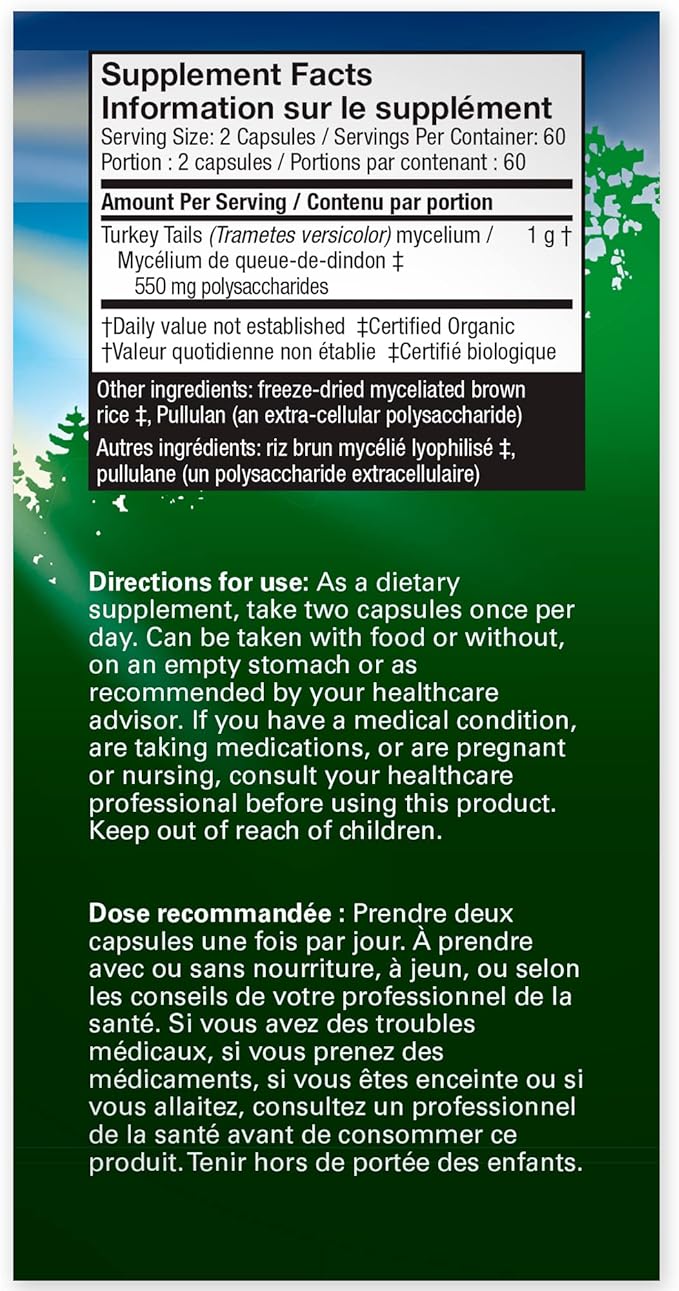
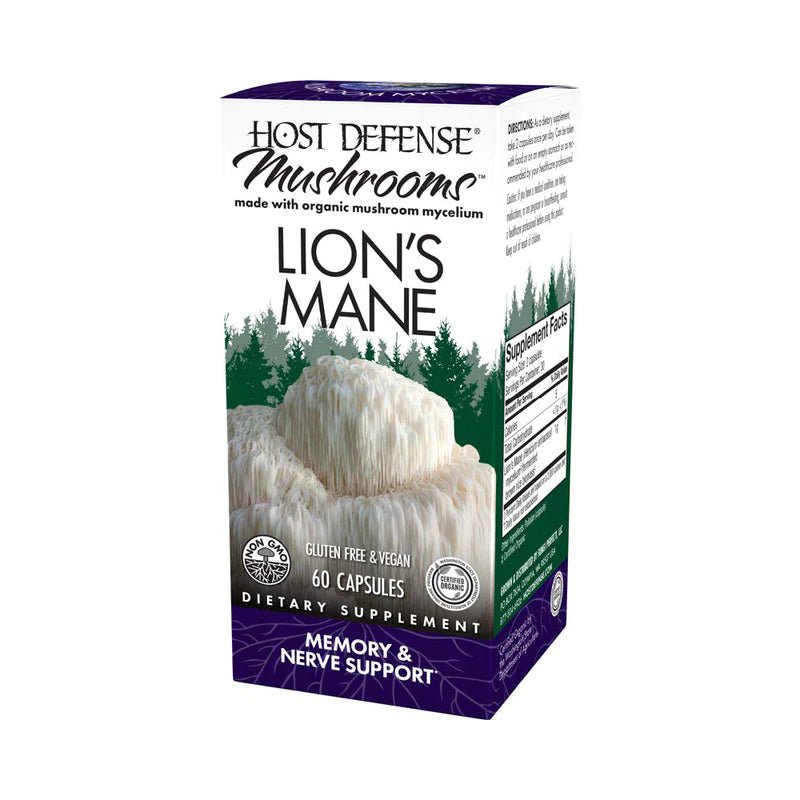


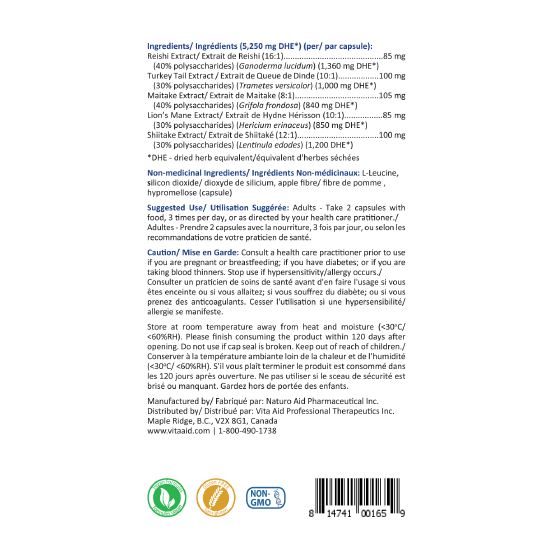
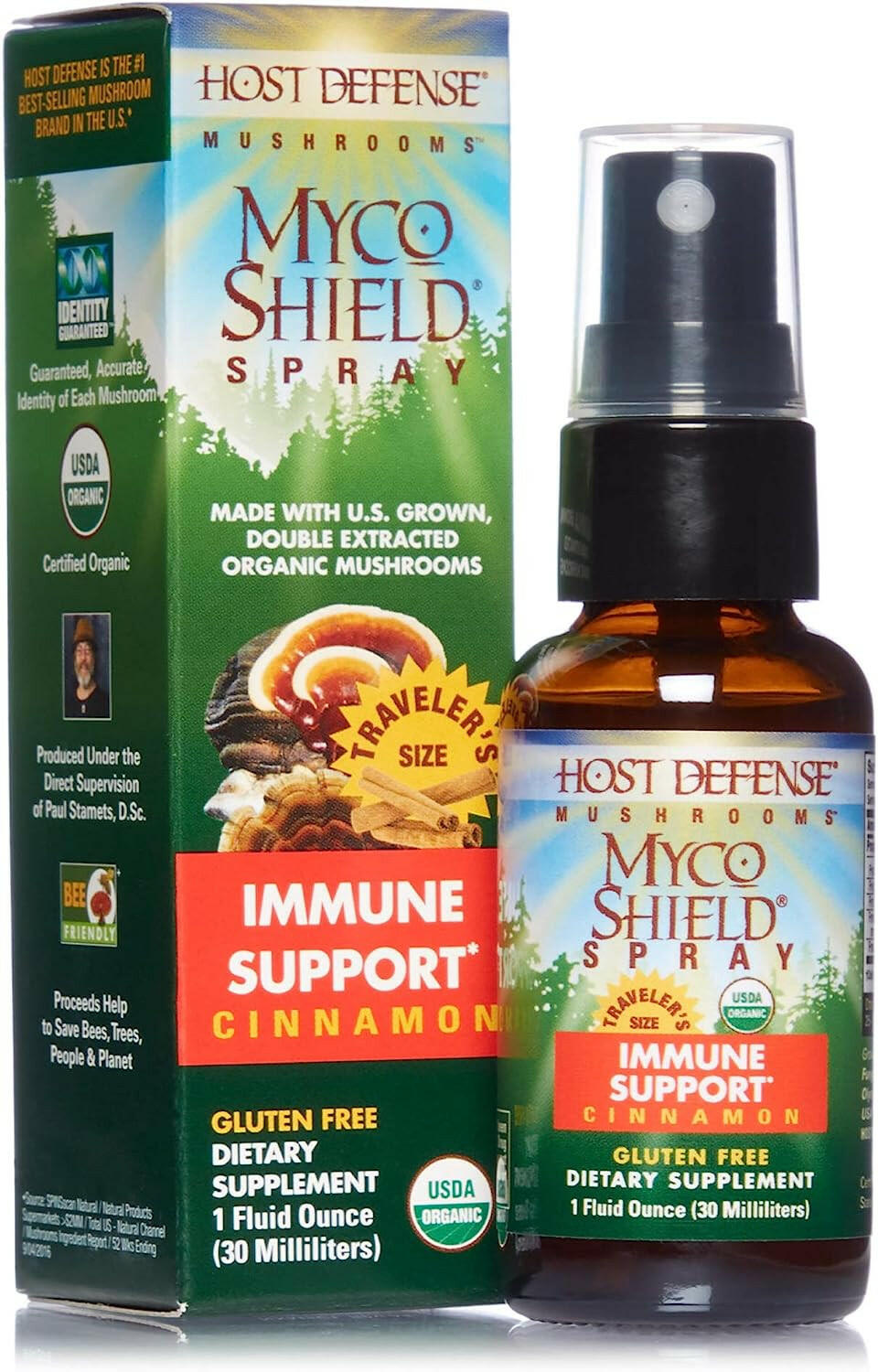
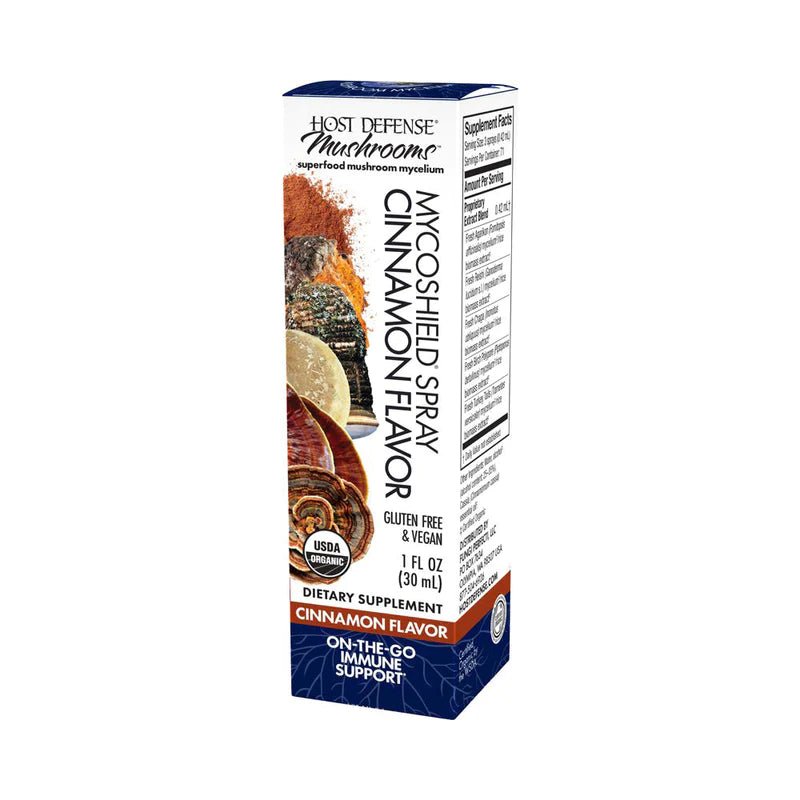
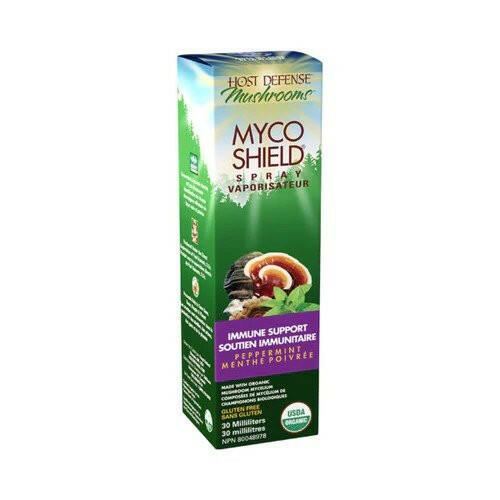


Free Delivery
Satisfied or refunded
Top-notch support
Secure payments
Encrypted checkout processing
Offers exclude prescriptions and in-store purchases.
Subscribe & Get a First-Order Reward
Plus, earning reward points on eligible online purchases and enjoy future store credit.
We respect your inbox at Coal Harbour Pharmacy - Expect thoughtfully curated health and wellness updates, timely reminders, and exclusive online savings.