
Article: Fall Immunity & Wellness: Why Preparing for Winter Starts Now
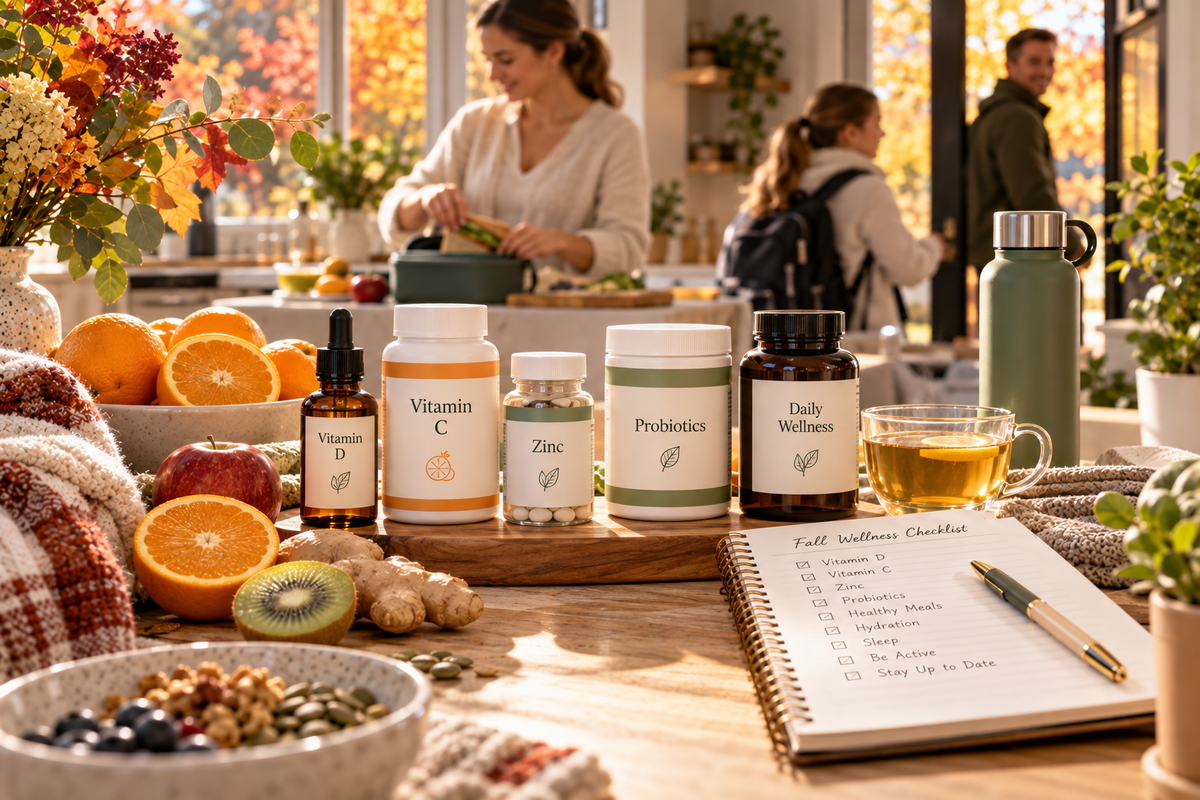
Fall Immunity & Wellness: Why Preparing for Winter Starts Now
Build a Stronger Seasonal Wellness Routine With Immune Support, Essential Nutrients & Healthy Daily Habits
As temperatures drop, daylight hours become shorter, and families return to busy indoor routines, fall is the ideal time to prepare your health and wellness habits for winter.
Between changing weather, increased time indoors, seasonal respiratory viruses, and the demands of work, school, and everyday life, autumn brings a new set of wellness priorities.
But preparing for winter isn’t about taking every immune supplement on the shelf or trying to “boost” your immune system overnight.
It’s about building a consistent routine that supports normal immune function, energy metabolism, sleep, nutrition, hydration, and everyday resilience before winter arrives.
From vitamin D and vitamin C to zinc, probiotics, and seasonal self-care essentials, understanding which products may complement your needs can make winter wellness planning easier.
Whether you’re preparing your own routine or stocking up for the entire household, this guide explains how to support your health during fall and build practical habits that carry you through winter.
Explore Fall Immunity & Wellness – Seasonal Immune, Energy & Everyday Health Support at Coal Harbour Pharmacy
Why Fall Is the Right Time to Prepare for Winter Wellness
Winter wellness doesn’t begin when the first cold symptoms appear.
It starts with the everyday habits you establish during autumn.
As fall progresses, several seasonal changes can affect your routine.
More Time Spent Indoors
Cooler weather often means spending more time inside homes, offices, classrooms, and other shared spaces.
Respiratory viruses can spread more readily in crowded or poorly ventilated indoor environments, making prevention especially important.
Shorter Days & Reduced Sunlight
As daylight decreases, some people spend less time outdoors.
This can affect daily routines, physical activity, sleep patterns, and opportunities for vitamin D production through sunlight exposure.
Busier School & Work Schedules
Fall often brings demanding schedules, school activities, travel, and increased daily responsibilities.
When routines become busy, regular meals, exercise, hydration, and adequate sleep can become harder to maintain.
Cooler, Drier Conditions
Cold outdoor air and heated indoor environments can contribute to dry skin and discomfort.
This makes moisturizing, hydration, and other everyday self-care habits particularly relevant.
The advantage of preparing during fall is simple: you can establish healthy habits before winter becomes demanding.
Understanding Your Immune System: Support vs Boosting
The immune system is a complex network of cells, tissues, and organs that helps protect the body against infections.
It depends on many factors, including adequate nutrition, sleep, physical activity, age, existing health conditions, and vaccination status.
Certain nutrients are essential for normal immune function.
However, the popular idea that supplements can dramatically “boost” immunity beyond normal levels is often misleading.
For most healthy adults, taking additional vitamins or minerals beyond nutritional requirements doesn’t automatically provide extra protection against infections.
A more useful approach is to:
- Maintain adequate nutrient intake
- Address deficiencies when present
- Support healthy sleep and activity habits
- Practise respiratory infection prevention
- Choose supplements according to individual needs
- Avoid unnecessary overlapping products
Think of seasonal immune support as maintaining the conditions your immune system needs to function normally—not forcing it to work harder.
1. Vitamin D: An Important Nutrient for Fall & Winter
Vitamin D is one of the most relevant nutrients to consider as daylight hours become shorter.
It contributes to normal immune function and helps the body absorb calcium, supporting bone and muscle health.
The body can produce vitamin D when skin is exposed to sunlight, but production varies depending on factors such as:
- Season and latitude
- Time spent outdoors
- Skin pigmentation
- Age
- Clothing and sun-protection practices
- Individual health circumstances
During fall and winter, some people may have fewer opportunities for adequate sunlight exposure.
Should You Take Vitamin D During Winter?
Vitamin D supplementation may be appropriate for people whose dietary intake or other sources are insufficient.
However, the right amount depends on age, diet, existing supplementation, health conditions, and individual needs.
Taking excessive vitamin D can be harmful.
Choose an appropriate product and follow its directions or professional advice.
Complete Your Vitamin D Routine
Vitamin D products are available in several formats, including capsules, softgels, tablets, and liquid drops.
Choose the format and strength that best suit your needs.
Explore Vitamin D & Seasonal Wellness Essentials
2. Vitamin C: Everyday Antioxidant & Immune Support
Vitamin C is a water-soluble vitamin that contributes to normal immune function and helps protect cells against oxidative stress.
It also supports collagen formation and normal wound healing.
Common dietary sources include:
- Citrus fruits
- Kiwi
- Strawberries
- Bell peppers
- Broccoli
- Brussels sprouts
Does Vitamin C Prevent Colds?
For most people, regular vitamin C supplementation hasn’t been shown to prevent common colds.
Some research suggests that consistent supplementation may modestly reduce cold duration, but results vary.
Taking large amounts after symptoms begin hasn’t consistently demonstrated meaningful benefits.
When Might a Vitamin C Supplement Make Sense?
Vitamin C supplements may be useful when dietary intake is insufficient or when supplementation is otherwise recommended.
They are available as tablets, capsules, chewables, powders, and other formulations.
Shopping tip: Compare the vitamin C amount per serving and check whether you’re already receiving vitamin C from a multivitamin or another supplement.
Shop Vitamin C & Immune Support
3. Zinc: Essential for Normal Immune Function
Zinc is an essential mineral involved in immune function, wound healing, and numerous cellular processes.
The body doesn’t store large amounts of zinc, making adequate dietary intake important.
Food sources include meat, seafood, dairy products, legumes, nuts, and seeds.
Zinc & Seasonal Wellness
Zinc supplements are commonly marketed for immune support.
Research suggests that certain oral zinc formulations, when started early during a common cold, may shorten symptom duration in some circumstances.
However, findings vary considerably by formulation, dose, and study design.
Zinc isn’t a substitute for vaccination, infection prevention, or medical care.
What to Consider Before Buying Zinc
Different zinc supplements contain different amounts of elemental zinc.
Taking too much zinc over time can interfere with copper absorption and cause other adverse effects.
Zinc can also interact with certain medications.
Avoid combining multiple zinc-containing products without checking the total amount.
Important: Intranasal zinc products should be avoided because they have been associated with loss of smell.
Explore Zinc & Mineral Supplements
4. Probiotics: Supporting Digestive & Microbiome Wellness
Your digestive tract contains a complex community of microorganisms known as the gut microbiome.
These microorganisms interact with digestion, metabolism, and aspects of immune function.
Probiotic supplements contain selected live microorganisms intended to provide a health benefit when consumed in adequate amounts.
Can Probiotics Support Immunity?
Some probiotic strains have been studied for their potential effects on respiratory infection outcomes.
However, findings vary by strain, population, and study.
A probiotic’s benefits cannot automatically be generalized to every product.
Choosing a Probiotic
Consider:
- The specific probiotic strains
- The amount provided per serving
- The intended use
- Storage requirements
- Product directions
- Whether the formula is appropriate for your age and health status
For people with significant immune compromise or serious underlying illness, probiotic use should be discussed with a healthcare professional.
Pair Probiotics With Everyday Gut-Friendly Habits
A varied diet containing fibre-rich foods can help support digestive wellness.
Depending on individual tolerance, this may include vegetables, fruit, legumes, whole grains, and fermented foods.
Explore Probiotics & Digestive Health
5. Multivitamins: Filling Nutritional Gaps During Busy Seasons
Fall often brings changes to eating habits and daily schedules.
When work, school, and family commitments become demanding, maintaining balanced nutrition can feel more challenging.
A multivitamin may help fill certain nutritional gaps when dietary intake is inadequate.
However, multivitamins aren’t automatically necessary for everyone, and they don’t replace a varied diet.
Who Might Consider a Multivitamin?
People with restricted diets, specific nutritional requirements, or difficulty meeting nutrient needs through food may benefit from discussing supplementation with a healthcare professional.
What Should You Look For?
Compare:
- Age-appropriate formulations
- Nutrient amounts
- Serving sizes
- Additional ingredients
- Existing supplements
- Product directions
Avoid combining multiple multivitamins or overlapping high-dose supplements without checking the total intake.
Explore Multivitamins & Daily Wellness Essentials
6. Energy Support: Managing Seasonal Fatigue
Shorter days, demanding schedules, and changes in sleep habits can leave some people feeling more tired during fall and winter.
But low energy doesn’t always mean you need an energy supplement.
Fatigue can have many causes, including inadequate sleep, stress, insufficient nutrition, iron deficiency, medication effects, and underlying medical conditions.
Nutrients Involved in Energy Metabolism
Several nutrients contribute to normal energy metabolism.
B Vitamins: Help the body use energy from food.
Iron: Supports oxygen transport and is particularly important when iron deficiency is present.
Magnesium: Participates in normal muscle, nerve, and energy-related processes.
Vitamin B12: Supports normal red blood cell formation and neurological function.
Supplementing these nutrients is most useful when intake is inadequate or a deficiency exists.
Taking extra amounts doesn’t necessarily increase energy in someone who already has adequate levels.
Build a Better Seasonal Energy Routine
Start with consistent sleep, regular meals, hydration, and physical activity.
If fatigue is persistent, unexplained, or worsening, seek medical advice rather than relying on supplements alone.
Explore Energy & Daily Wellness Support
7. Sleep & Stress: Often-Overlooked Winter Wellness Essentials
Sleep and stress management are important components of seasonal health.
Adequate sleep supports normal immune function, cognitive performance, mood, and general well-being.
Adults generally need approximately seven to nine hours of sleep per night, although individual needs vary.
Simple Fall Sleep Habits
Try to:
- Maintain consistent sleep and wake times
- Get natural daylight exposure during the day
- Limit caffeine close to bedtime
- Keep your bedroom comfortable
- Establish a relaxing evening routine
- Reduce unnecessary screen exposure before sleep
Where Do Sleep Supplements Fit?
Products containing magnesium, melatonin, or selected botanical ingredients are sometimes used for sleep-related concerns.
However, they aren’t interchangeable.
Melatonin may be useful for certain sleep-timing problems but isn’t appropriate for every cause of insomnia.
Magnesium supplementation is most relevant when intake is inadequate, and evidence for treating insomnia remains limited.
Choose products according to their intended use and seek professional guidance when needed.
Explore Natural Sleep & Stress Support
8. Hydration Still Matters When the Weather Gets Colder
Hydration is often associated with summer, but fluid intake remains important throughout fall and winter.
Cooler temperatures may make thirst less noticeable, while indoor heating, physical activity, and illness can affect fluid needs.
Water supports normal temperature regulation, circulation, digestion, and other physiological processes.
Easy Ways to Maintain Hydration
Keep a reusable water bottle nearby, drink regularly throughout the day, and include water-rich foods in your meals.
Warm beverages such as caffeine-free herbal teas can also contribute to fluid intake.
Electrolyte products may be useful in particular situations involving significant fluid or electrolyte losses, but they’re not automatically necessary for ordinary daily hydration.
Explore Hydration & Electrolyte Essentials
9. Don’t Forget Respiratory Wellness & Everyday Prevention
Seasonal wellness isn’t only about nutrition and supplements.
Reducing exposure to respiratory infections is an important part of preparing for winter.
Everyday Respiratory Health Habits
Consider:
- Staying up to date with recommended vaccinations
- Washing hands regularly
- Improving indoor ventilation where possible
- Avoiding close contact with others when sick
- Following appropriate respiratory hygiene
- Staying home when ill, when feasible
- Using well-fitting masks in higher-risk situations when appropriate
In Canada, seasonal influenza vaccination is generally recommended for people aged six months and older, with exceptions and individual considerations.
Other immunization recommendations depend on age, health status, and current public-health guidance.
Ask your pharmacist or healthcare professional which vaccines are appropriate for you.
Supplements should complement—not replace—evidence-based infection prevention.
Fall vs Winter Wellness: What Changes?
Although many healthy habits remain important year-round, seasonal conditions can influence your priorities.
|
Wellness Priority |
Fall Preparation |
Winter Maintenance |
|---|---|---|
|
Immune Health |
Review nutrition and prevention habits |
Maintain consistent routines |
|
Vitamin D |
Assess dietary intake and supplementation needs |
Continue appropriate intake |
|
Energy |
Establish regular sleep and activity habits |
Maintain routines during shorter days |
|
Hydration |
Build consistent fluid-intake habits |
Continue despite cooler temperatures |
|
Skin Comfort |
Prepare for drier conditions |
Moisturize as needed |
|
Respiratory Prevention |
Review vaccination and hygiene practices |
Maintain prevention strategies |
|
Stress & Sleep |
Set manageable daily routines |
Protect rest and recovery |
Fall is the preparation phase. Winter is when consistency becomes especially valuable.
Build Your Fall Immunity & Wellness Routine
Rather than choosing supplements randomly, start with your most relevant wellness needs.
Everyday Immune & Nutritional Support
Vitamin D + Adequate Dietary Vitamin C + Zinc From Food or Supplements When Needed
This approach focuses on nutrients involved in normal immune function without assuming that everyone needs high-dose supplementation.
Family Seasonal Wellness
Age-Appropriate Nutrition + Healthy Sleep + Hand Hygiene + Recommended Vaccinations
For children, choose only products specifically appropriate for their age and individual needs.
Avoid giving adult immune supplements to children.
Energy & Daily Wellness
Balanced Nutrition + B Vitamins When Needed + Hydration + Consistent Sleep
Focus on correcting nutritional gaps rather than relying on stimulating products to compensate for inadequate rest.
Digestive & Immune Wellness
Fibre-Rich Foods + Probiotic When Appropriate + Balanced Nutrition
Choose probiotic products according to specific strains and intended uses.
Complete Fall-to-Winter Wellness
Foundational Nutrition → Targeted Supplements When Appropriate → Sleep → Hydration → Respiratory Prevention
This is the most practical approach for customers who want a complete seasonal routine.
Build Your Routine With Fall Immunity & Wellness Essentials
Your Fall-to-Winter Wellness Checklist
Preparing for winter doesn’t have to be complicated.
Use this checklist to review the essentials before colder weather arrives.
Nutrition & Supplements
☐ Review your vitamin D intake
☐ Include vitamin C-rich foods
☐ Maintain adequate zinc intake
☐ Consider a multivitamin if nutritional gaps exist
☐ Review existing supplements to avoid duplication
Daily Wellness
☐ Establish consistent sleep habits
☐ Maintain regular physical activity
☐ Stay hydrated
☐ Eat balanced meals
☐ Make time for stress management
Family & Respiratory Health
☐ Review recommended seasonal vaccinations
☐ Keep hand-hygiene supplies available
☐ Encourage appropriate respiratory hygiene
☐ Review age-appropriate family wellness products
☐ Prepare for common seasonal needs
Winter Comfort
☐ Keep moisturizing products available
☐ Prepare for dry indoor air
☐ Maintain a comfortable sleep environment
☐ Adjust outdoor activity routines for colder weather
The best winter wellness plan is one you can realistically follow every day.
How to Choose Fall Immune Support Supplements
With so many products marketed for immunity, choosing the right one can feel overwhelming.
Before buying, ask yourself a few questions.
What Is My Primary Goal?
Are you trying to address a nutritional gap, support normal immune function, improve your daily wellness routine, or prepare for seasonal changes?
Different goals may require different approaches.
Am I Already Taking Similar Ingredients?
Many immune-support formulas contain overlapping nutrients.
For example, combining a multivitamin with separate vitamin C, vitamin D, and zinc products may result in unnecessary duplication.
Is the Product Appropriate for Me?
Age, pregnancy, medications, existing health conditions, and individual nutritional requirements can influence which products are suitable.
Does the Product Make Realistic Claims?
Be cautious of supplements promising to prevent all infections, dramatically boost immunity, or provide guaranteed protection against seasonal illnesses.
Look for clearly identified ingredients, appropriate directions, and claims consistent with the product’s authorized use.
Can I Maintain This Routine?
A simple, appropriate routine is generally more useful than an unnecessarily complicated supplement schedule.
Explore Fall Immunity & Wellness Supplements
Complete Your Seasonal Wellness Routine
Your fall wellness routine may involve several complementary product categories.
Fall Immunity & Wellness: Seasonal immune, energy, and everyday health essentials.
Vitamin D: Nutritional support for normal immune function and bone health.
Vitamin C: Antioxidant and immune-function support.
Zinc: Essential mineral support for normal immune function.
Probiotics: Digestive and microbiome wellness.
Multivitamins: Foundational nutritional support when dietary intake is inadequate.
Natural Sleep Support: Products for selected sleep and relaxation needs.
Hydration & Electrolytes: Everyday hydration and targeted electrolyte replacement.
Choose products based on your individual needs rather than assuming every category belongs in your routine.
Explore Fall Immunity & Wellness at Coal Harbour Pharmacy
Why Shop Fall Immunity & Wellness at Coal Harbour Pharmacy?
Preparing for winter often involves reviewing several areas of everyday health—from nutrition and immune support to energy, hydration, sleep, and seasonal prevention.
At Coal Harbour Pharmacy, our Fall Immunity & Wellness collection brings together products that can complement a practical seasonal wellness routine.
Explore options for:
- Vitamin D and essential nutrients
- Vitamin C and antioxidant support
- Zinc and mineral supplements
- Probiotics and digestive wellness
- Multivitamins and daily nutrition
- Energy and stress-support products
- Hydration and seasonal self-care
Whether you’re reviewing your existing supplements or preparing your household for the colder months, the goal is to make seasonal wellness shopping more convenient and purposeful.
Choose the essentials that fit your needs, follow product directions, and build healthy habits that last beyond winter.
Shop Fall Immunity & Wellness – Seasonal Immune, Energy & Everyday Health Support
Frequently Asked Questions
Why Is Fall a Good Time to Prepare for Winter Wellness?
Fall is an opportunity to establish consistent nutrition, sleep, hydration, physical activity, and infection-prevention habits before winter. Preparing early can make these routines easier to maintain during colder months.
What Vitamins Are Important During Fall and Winter?
Vitamin D, vitamin C, zinc, and several other nutrients contribute to normal immune function. However, supplementation needs depend on individual dietary intake, health circumstances, and existing nutrient levels.
Should Everyone Take Vitamin D During Winter?
Not necessarily. Vitamin D needs vary according to age, diet, sun exposure, health conditions, and other factors. Some people benefit from supplementation, but the appropriate amount should be individualized.
Can Vitamin C Prevent Winter Colds?
Regular vitamin C supplementation hasn’t consistently been shown to prevent common colds in the general population. Some studies suggest it may modestly shorten cold duration, but it doesn’t guarantee protection.
Is Zinc Good for Immune Health?
Zinc is essential for normal immune function. Adequate intake matters, but excessive supplementation can be harmful. Certain oral zinc formulations may shorten cold duration when used appropriately, although evidence varies.
Do Probiotics Help Support Immunity?
Some probiotic strains have been studied for immune-related outcomes, but results depend on the specific strain, population, and intended use. Not all probiotics provide the same benefits.
What Supplements Help With Seasonal Fatigue?
Supplements may help when fatigue is related to inadequate intake or deficiency of nutrients such as iron, vitamin B12, or other essential nutrients. Persistent or unexplained fatigue should be assessed by a healthcare professional.
How Can Families Prepare for Cold & Flu Season?
Focus on recommended vaccinations, adequate sleep, balanced nutrition, hand hygiene, respiratory etiquette, and age-appropriate wellness routines. Supplements should not replace proven preventive measures.
Is It Better to Take an Immune Support Formula or Individual Vitamins?
It depends on your needs. Combination products may be convenient, but individual supplements can make it easier to address a specific nutritional gap. Always check for overlapping ingredients and total daily amounts.
When Should You Start Preparing for Winter Wellness?
Early fall is a practical time to review seasonal health needs, but healthy habits can be started at any point. Consistency matters more than choosing a particular date.
Quick Answer: How Do You Prepare Your Immune System for Winter?
Preparing for winter involves supporting normal immune function through adequate nutrition, sufficient sleep, regular physical activity, hydration, recommended vaccinations, and everyday infection-prevention habits.
Nutrients such as vitamin D, vitamin C, and zinc are important for immune function, but supplements are most useful when they address an individual nutritional need.
The goal is not to dramatically boost immunity overnight.
It’s to maintain a healthy routine throughout fall and winter.
Fall Immunity & Wellness: Start Preparing Before Winter Arrives
Winter wellness doesn’t begin with a supplement bottle or the first sign of a cold.
It begins with the everyday choices that support your health over time.
Fall offers a valuable opportunity to review your nutrition, establish better sleep habits, stay active, maintain hydration, and prepare for seasonal respiratory illnesses.
Vitamin D, vitamin C, zinc, probiotics, multivitamins, and other wellness products may complement these habits when appropriate—but they work best as part of a broader approach to health.
Prepare in fall. Stay consistent through winter. Support your wellness all season long.
Ready to build your seasonal routine?
Explore Fall Immunity & Wellness – Seasonal Immune, Energy & Everyday Health Support at Coal Harbour Pharmacy.

Written by CHP — Pharmacist Reviewed

Leave a comment
This site is protected by hCaptcha and the hCaptcha Privacy Policy and Terms of Service apply.