
Men’s Health – Energy, Prostate, Hormonal & Everyday Wellness Support
Explore pharmacist-curated men’s health supplements for energy, prostate and urinary wellness, reproductive health, sexual wellness, cardiovascular function, stress, fitness, and healthy aging.
────────────────────────────────────
About Men’s Health
Men’s health encompasses far more than testosterone or physical performance. Nutritional needs and health priorities can change throughout adulthood, with cardiovascular health, metabolic function, prostate and urinary health, reproductive wellness, muscle and bone health, stress, sleep, and healthy aging all playing important roles.
The Men’s Health collection at Coal Harbour Pharmacy brings together vitamins, minerals, amino acids, omega-3s, antioxidants, botanical extracts, sports nutrition products, and targeted formulas for different aspects of male wellness.
Supplements can complement healthy nutrition and lifestyle habits, but they should not be assumed to correct hormonal disorders, prostate disease, infertility, erectile dysfunction, cardiovascular disease, or persistent fatigue.
Key Benefits
Depending on the individual product, men’s health supplements may:
• Help meet essential vitamin and mineral requirements
• Support normal energy metabolism
• Support normal testosterone levels when relevant nutrient requirements are met
• Complement prostate and urinary wellness
• Support male reproductive and sperm health
• Support sexual and circulatory wellness
• Help maintain muscle function and exercise performance
• Support cardiovascular and metabolic health
• Complement stress-management and sleep routines
• Provide targeted nutritional support during healthy aging
Benefits depend on the specific ingredients, doses, nutritional status, lifestyle, and individual health needs.
Who It’s Ideal For
This collection may be useful for:
• Men looking for foundational nutritional support
• Adults interested in prostate and urinary wellness
• Men seeking reproductive or preconception nutrition
• Active adults focused on strength, exercise, and recovery
• Men looking for cardiovascular and metabolic support
• Adults seeking nutritional support for energy and vitality
• Men building stress, sleep, or cognitive wellness routines
• Older adults focusing on healthy aging, muscle, bone, and cardiovascular health
• Individuals looking for targeted men’s multivitamins or specialty formulas
Persistent symptoms or suspected hormonal, reproductive, cardiovascular, urinary, or metabolic conditions should be professionally assessed.
Men’s Health Through Different Life Stages
Men do not have one universal nutritional requirement or supplement regimen.
Priorities can change according to:
• Age
• Diet
• Physical activity
• Body composition
• Sleep
• Stress
• Medications
• Reproductive goals
• Existing medical conditions
• Laboratory-confirmed nutrient deficiencies
A younger athlete, someone planning a pregnancy with a partner, and an older adult concerned about prostate health may therefore need very different approaches.
Men’s Multivitamins
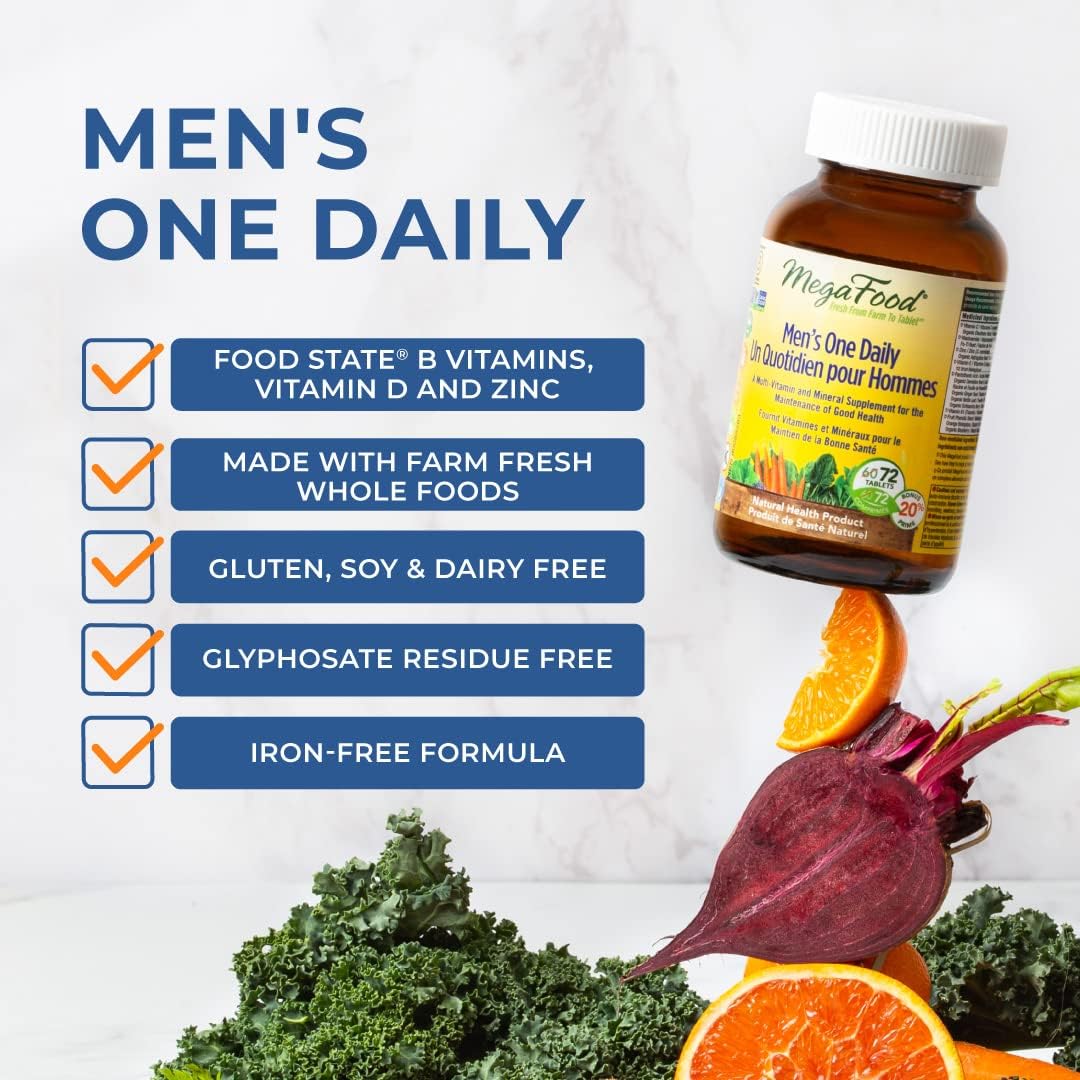
A men’s multivitamin can provide foundational vitamins and minerals when dietary intake does not consistently meet nutritional requirements.
Depending on the formula, nutrients may include:
• B vitamins
• Vitamin C
• Vitamin D
• Vitamin E
• Zinc
• Selenium
• Magnesium
• Other vitamins, minerals, and antioxidants
Many men’s multivitamins contain little or no iron because routine iron supplementation is not appropriate for every adult male.
The best multivitamin is not necessarily the one containing the largest number of ingredients or highest doses.
Testosterone & Hormonal Support
Testosterone is involved in reproductive function, sexual health, muscle and bone physiology, red blood cell production, and other aspects of male health.
Testosterone levels are influenced by factors including:
• Age
• Sleep
• Body composition
• Energy intake
• Exercise
• Alcohol use
• Medications
• Acute and chronic illness
• Nutritional deficiencies
Certain nutrients, including zinc and vitamin D, contribute to normal physiology, but supplementation should not be described as universally increasing testosterone.
Correcting a deficiency is different from using increasingly high doses to try to raise hormone levels.
What About “Testosterone Boosters”?
Products marketed for testosterone support may contain ingredients such as:
• Zinc
• Vitamin D
• Magnesium
• Ashwagandha
• Fenugreek
• Maca
• Tribulus
• Other botanical extracts
Evidence differs substantially between ingredients.
For example, tribulus has not consistently demonstrated meaningful increases in testosterone in healthy men, while evidence for other botanicals remains dependent on the population, extract, and study.
Symptoms of clinically low testosterone require appropriate assessment rather than reliance on a supplement marketed as a testosterone booster.
Prostate Health
The prostate commonly becomes a greater health consideration with age.
Nutrients and botanicals found in prostate-oriented supplements can include:
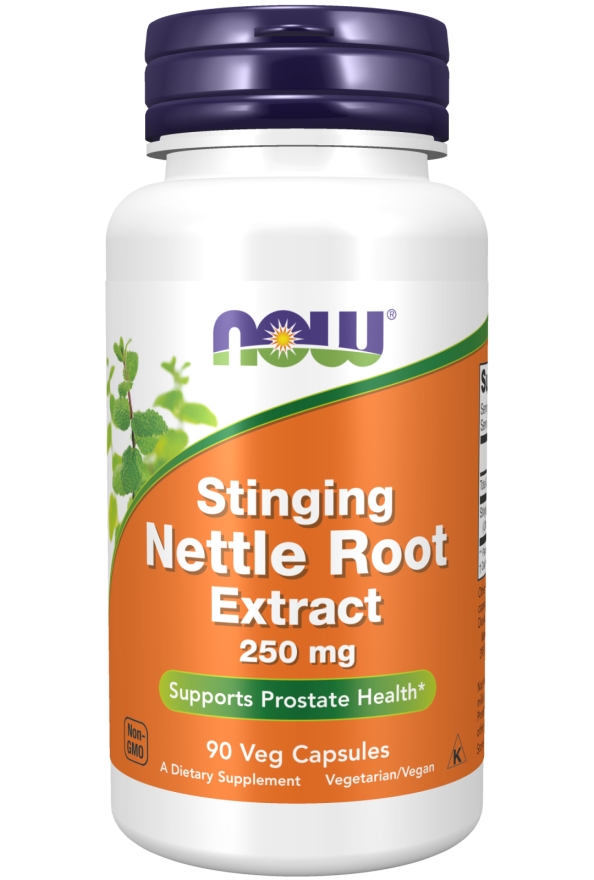
• Saw palmetto
• Beta-sitosterol
• Pygeum
• Lycopene
• Zinc
• Selenium
These ingredients have differing levels of evidence, and prostate supplements should not be assumed to prevent or treat prostate disease.
Urinary symptoms can also have causes unrelated to the prostate.
Urinary Symptoms & Prostate Assessment
Symptoms such as:
• Weak urinary stream
• Difficulty starting urination
• Frequent urination
• Urgency
• Repeated nighttime urination
• Feeling that the bladder has not emptied
may occur with benign prostate enlargement but can also have other causes.
New, persistent, worsening, or significant urinary symptoms deserve appropriate medical assessment rather than indefinite self-treatment with supplements.
Blood in the urine, inability to urinate, severe pain, or fever requires prompt attention.
Male Reproductive Health
Male reproductive health involves multiple factors, including:
• Sperm concentration
• Motility
• Morphology
• DNA integrity
• Hormonal function
• Reproductive anatomy
• Sexual function
• General metabolic health
Nutrients and antioxidants can contribute to normal reproductive physiology, but fertility is complex and cannot be reduced to a single supplement.
Male Fertility Support
Common ingredients in male fertility formulations include:
• Zinc
• Selenium
• CoQ10
• L-carnitine
• Folate
• Vitamins C and E
• Omega-3 fatty acids
• N-acetyl-L-cysteine (NAC)
Some have been investigated for effects on semen parameters.
However, an improvement in sperm concentration, motility, or another laboratory measure does not automatically establish an improvement in pregnancy or live-birth rates.
Couples experiencing fertility difficulties should consider appropriate evaluation rather than relying solely on supplementation.
Sexual Health & Libido
Sexual wellness is influenced by:
• Cardiovascular health
• Hormonal status
• Stress
• Sleep
• Mental health
• Relationship factors
• Medications
• Alcohol and substance use
• Neurological and metabolic health
Some men’s supplements include ingredients such as maca, L-arginine, L-citrulline, ginseng, or other botanicals.
These ingredients should not automatically be described as treatments for erectile dysfunction or low testosterone.
Erectile Function & Circulation
Normal erectile function depends substantially on vascular and neurological health.
L-arginine and L-citrulline participate in pathways related to nitric oxide production and vascular function and are sometimes included in sexual-health formulations.
Persistent erectile dysfunction is worth discussing with a healthcare professional because it can sometimes be associated with underlying cardiovascular, metabolic, hormonal, neurological, or medication-related factors.
Energy & Vitality
Nutrients such as B vitamins, iron, magnesium, and CoQ10 participate in normal energy-related physiological processes.
However, vitamins are not stimulants, and supplements do not automatically create additional energy when nutritional status is already adequate.
Persistent low energy may be associated with:
• Inadequate sleep
• Stress
• Anemia
• Thyroid disorders
• Sleep apnea
• Low testosterone
• Medications
• Depression
• Nutritional deficiencies
• Cardiovascular or metabolic conditions
Unexplained or persistent fatigue deserves investigation.
Fitness, Muscle & Performance
Men focused on training and physical performance may use products such as:
• Protein
• Creatine
• Essential amino acids
• Electrolytes
• Carbohydrate products
• Caffeine
• Beta-alanine
• L-citrulline
• Other sports nutrition supplements
Among sports supplements, evidence varies considerably.
Creatine monohydrate, for example, has substantial research supporting improvements in high-intensity exercise performance and training-related gains when combined with appropriate exercise.
Supplements still cannot replace progressive training, adequate protein, sufficient calories, hydration, and recovery.
Muscle Health & Healthy Aging
Maintaining muscle becomes increasingly important with age.
Important foundations include:
• Resistance exercise
• Adequate protein
• Sufficient energy intake
• Vitamin D adequacy
• Appropriate recovery
• Regular physical activity
• Management of medical conditions
Protein and selected supplements can support these foundations, but resistance exercise remains one of the most important interventions for preserving strength and function.
Cardiovascular Health
Cardiovascular disease remains an important men’s health consideration.
Supplements may provide nutritional support through ingredients such as:
• Omega-3 fatty acids
• Magnesium
• CoQ10
• Fibre
• Plant sterols
• Selected antioxidants
However, cardiovascular risk management should also address blood pressure, cholesterol, blood glucose, smoking, physical activity, body composition, sleep, and appropriate medical treatment.
Supplements should not replace prescribed cardiovascular medications.
Metabolic Health
Metabolic wellness includes factors such as:
• Blood glucose regulation
• Insulin sensitivity
• Blood pressure
• Lipid levels
• Body composition
• Physical activity
• Sleep
• Nutrition
Selected nutrients and botanicals may complement metabolic-health strategies, but claims that a supplement independently “balances blood sugar” or prevents metabolic disease can be misleading.
People taking diabetes or blood-pressure medications should also consider potential supplement interactions.
Stress & Mental Wellness
Stress can influence sleep, appetite, sexual function, energy, concentration, and overall quality of life.
Men’s wellness formulas may contain:
• Magnesium
• L-theanine
• Ashwagandha
• Rhodiola
• B vitamins
• Other nutrients or adaptogenic herbs
These products may complement stress-management strategies but should not be presented as treatments for anxiety, depression, burnout, or other mental-health conditions.
Sleep & Men’s Health
Sleep is closely connected with:
• Energy
• Cognitive performance
• Exercise recovery
• Appetite regulation
• Hormonal physiology
• Cardiovascular and metabolic health
Chronically poor sleep should not automatically be addressed by adding more supplements.
Persistent snoring, witnessed pauses in breathing, morning headaches, or significant daytime sleepiness can be signs of sleep apnea and deserve medical assessment.
Stress, Sleep & Testosterone
Sleep and testosterone physiology are related, but this does not mean a sleep supplement directly “boosts testosterone.”
Improving chronically inadequate sleep can support broader health and normal hormonal physiology.
This distinction is important when evaluating supplements marketed simultaneously for sleep, stress, and male hormones.
Nutrients Commonly Found in Men’s Health Formulas
Zinc
Zinc contributes to normal immune function, protein synthesis, DNA synthesis, and reproductive physiology.
Adequate zinc is important for normal testosterone physiology, but taking additional zinc beyond requirements does not continuously increase testosterone.
Long-term excessive zinc can interfere with copper status.
Selenium
Selenium is required for antioxidant enzymes and contributes to normal reproductive and thyroid physiology.
The appropriate intake range is relatively narrow, making unnecessary high-dose supplementation undesirable.
Vitamin D
Vitamin D contributes to normal bone, muscle, and immune function.
Deficiency should be corrected appropriately, but vitamin D should not be treated as a universal testosterone-enhancing supplement.
Magnesium
Magnesium supports normal muscle and nervous-system function, energy metabolism, and many enzymatic processes.
Its usefulness depends partly on dietary intake, individual requirements, and the reason for supplementation.
CoQ10
CoQ10 participates in mitochondrial energy production and has been investigated across cardiovascular, exercise, and male fertility contexts.
Potential benefits depend on the specific indication and should not be generalized to all aspects of men’s health.
Botanical Ingredients for Men
Men’s health products may include herbs such as:
• Saw palmetto
• Ashwagandha
• Maca
• Ginseng
• Fenugreek
• Pygeum
• Tribulus
Botanicals differ significantly in their evidence, doses, extracts, safety, and potential interactions.
“Natural” does not mean automatically effective or risk-free.
How to Choose a Men’s Health Supplement
Define Your Main Goal
Start with a specific priority such as foundational nutrition, prostate wellness, fertility, fitness, cardiovascular support, or stress.
Review the Evidence
Evaluate the ingredients rather than relying on terms such as “male vitality,” “testosterone booster,” or “performance enhancer.”
Check the Dose
An ingredient appearing on a label does not necessarily mean it is present at an evidence-informed amount.
Avoid Ingredient Duplication
Multivitamins and specialized men’s formulas can overlap substantially in zinc, selenium, vitamin D, magnesium, and other nutrients.
Consider Medications
Botanicals and nutrients can interact with prescription and OTC medications.
Reassess Persistent Symptoms
Supplements should not delay assessment of ongoing urinary, sexual, hormonal, cardiovascular, metabolic, or fatigue-related symptoms.
Supplement Safety
Professional guidance is particularly appropriate for men who:
• Take prescription medications
• Use anticoagulant or antiplatelet medications
• Take blood-pressure or diabetes medications
• Have cardiovascular disease
• Have kidney or liver disease
• Have prostate or urinary symptoms
• Are undergoing fertility assessment
• Are preparing for surgery
• Take multiple supplements simultaneously
• Have unexplained fatigue, sexual dysfunction, or hormonal symptoms
FAQs
What supplements are most important for men’s health?
There is no universal men’s supplement regimen. Nutritional needs depend on diet, age, activity, health conditions, medications, and specific goals. A multivitamin may help fill dietary gaps, while targeted supplements should address a clearly defined need.
Do men need a special multivitamin?
Not necessarily, but men’s formulas may be designed around common male nutritional requirements. Iron content is one important difference because routine supplemental iron is not appropriate for every adult male.
Can supplements increase testosterone?
Correcting deficiencies in nutrients involved in normal hormonal physiology may be beneficial, but supplements do not reliably increase testosterone in every man. Symptoms of low testosterone should be appropriately evaluated.
What supplements support prostate health?
Saw palmetto, beta-sitosterol, pygeum, lycopene, zinc, and other ingredients are commonly found in prostate formulas. Evidence varies, and supplements should not replace assessment of persistent urinary or prostate symptoms.
Can supplements improve male fertility?
Certain nutrients and antioxidants have been studied for sperm parameters, but improvements in semen measurements do not guarantee conception or live birth. Fertility concerns may require evaluation of both partners.
What supplements can support male sexual health?
Products may contain L-arginine, L-citrulline, maca, ginseng, and other ingredients. Persistent erectile dysfunction or significant libido changes should be assessed because they may have cardiovascular, hormonal, medication-related, or psychological causes.
Is creatine only for younger men?
No. Creatine is used in sports nutrition and is also being studied in healthy-aging contexts, particularly alongside resistance exercise.
Should men take iron supplements?
Not routinely unless there is an appropriate reason. Suspected iron deficiency should be investigated because iron deficiency in adult men can have underlying causes requiring assessment.
Are natural testosterone boosters safe?
Safety depends on the ingredients and doses. “Natural” does not guarantee safety, and some formulas can interact with medications or medical conditions.
When should I seek professional advice rather than use supplements?
Seek appropriate assessment for persistent fatigue, erectile dysfunction, fertility concerns, significant urinary changes, suspected hormonal problems, chest symptoms, unexplained weight changes, or other persistent health concerns.
Why Shop Men’s Health at Coal Harbour Pharmacy?
• Pharmacist-curated men’s health and wellness selection
• Foundational and targeted nutritional formulas
• Options for prostate, reproductive, sexual, cardiovascular, fitness, stress, and healthy-aging support
• Professional and established natural health brands
• Products for different ages, lifestyles, and wellness priorities
• Fast Canada-wide shipping
Related Collections
• Male Fertility Health Supplements
────────────────────────────────────
Shop Men’s Health →
Sort by
43 products











FREE STANDARD SHIPPING
Satisfied or refunded
Top-notch support
Secure payments
Encrypted checkout processing
Offers exclude prescriptions and in-store purchases.
Subscribe & Get a First-Order Reward
Plus, earning reward points on eligible online purchases and enjoy future store credit.
We respect your inbox at Coal Harbour Pharmacy - Expect thoughtfully curated health and wellness updates, timely reminders, and exclusive online savings.