
Healthy Cooking – Clean Oils, Natural Sweeteners & Functional Pantry Essentials
Create nourishing everyday meals with clean cooking oils, natural sweeteners, functional foods, and better-for-you pantry staples selected to support balanced nutrition, heart health, digestive wellness, and a variety of dietary lifestyles.
────────────────────────────────────
ABOUT THIS COLLECTION
Healthy eating begins with the ingredients you use every day. Our Healthy Cooking collection at Coal Harbour Pharmacy brings together carefully selected cooking oils, natural sweeteners, functional pantry ingredients, nutritious cooking bases, herbs, spices, and specialty foods that make it easier to prepare wholesome meals at home.
Whether you’re upgrading everyday pantry staples, reducing highly processed ingredients, following a gluten-free or plant-based lifestyle, or simply looking for more nutrient-conscious alternatives, this collection helps you build a kitchen that supports your broader wellness goals.
Choose from trusted health and natural-food brands with options for everyday cooking, baking, smoothies, meal preparation, and specialty diets.
KEY BENEFITS
• Makes nutritious home cooking easier and more convenient
• Provides alternatives to highly processed cooking ingredients
• Supports heart-conscious meal preparation
• Offers lower-sugar and alternative sweetening options
• Supports digestive and metabolic wellness through better food choices
• Includes nutrient-rich functional ingredients
• Accommodates a variety of dietary preferences
• Helps build sustainable, balanced eating habits
WHO IT’S IDEAL FOR
• Individuals building a healthier pantry
• Families preparing nutritious meals at home
• People reducing highly processed foods
• Individuals following gluten-free diets
• Plant-based and vegan households
• Those following lower-carbohydrate eating patterns
• People looking for alternatives to refined sugar
• Home cooks interested in functional foods
• Anyone looking to make everyday meals more nutrient-conscious
WHY HEALTHY COOKING MATTERS
A nutritious diet is shaped not only by what you eat, but also by the ingredients used to prepare meals.
Choosing appropriate cooking fats, minimally processed ingredients, fibre-rich foods, herbs, spices, and sensible sweeteners can improve the overall nutritional quality of everyday meals.
Healthy cooking can also make nutritious eating more sustainable by emphasizing foods that are enjoyable, practical, and easy to incorporate consistently rather than relying on restrictive approaches.
TYPES OF PRODUCTS
Healthy Cooking Oils & Fats
Different oils have different fatty-acid profiles, flavours, and cooking applications.
Options may include:
• Extra-virgin olive oil
• Avocado oil
• Coconut oil
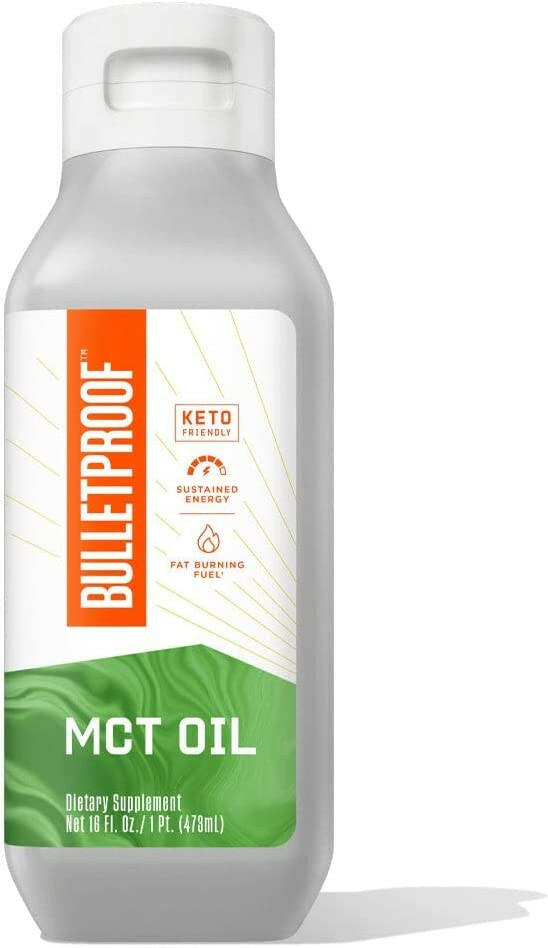
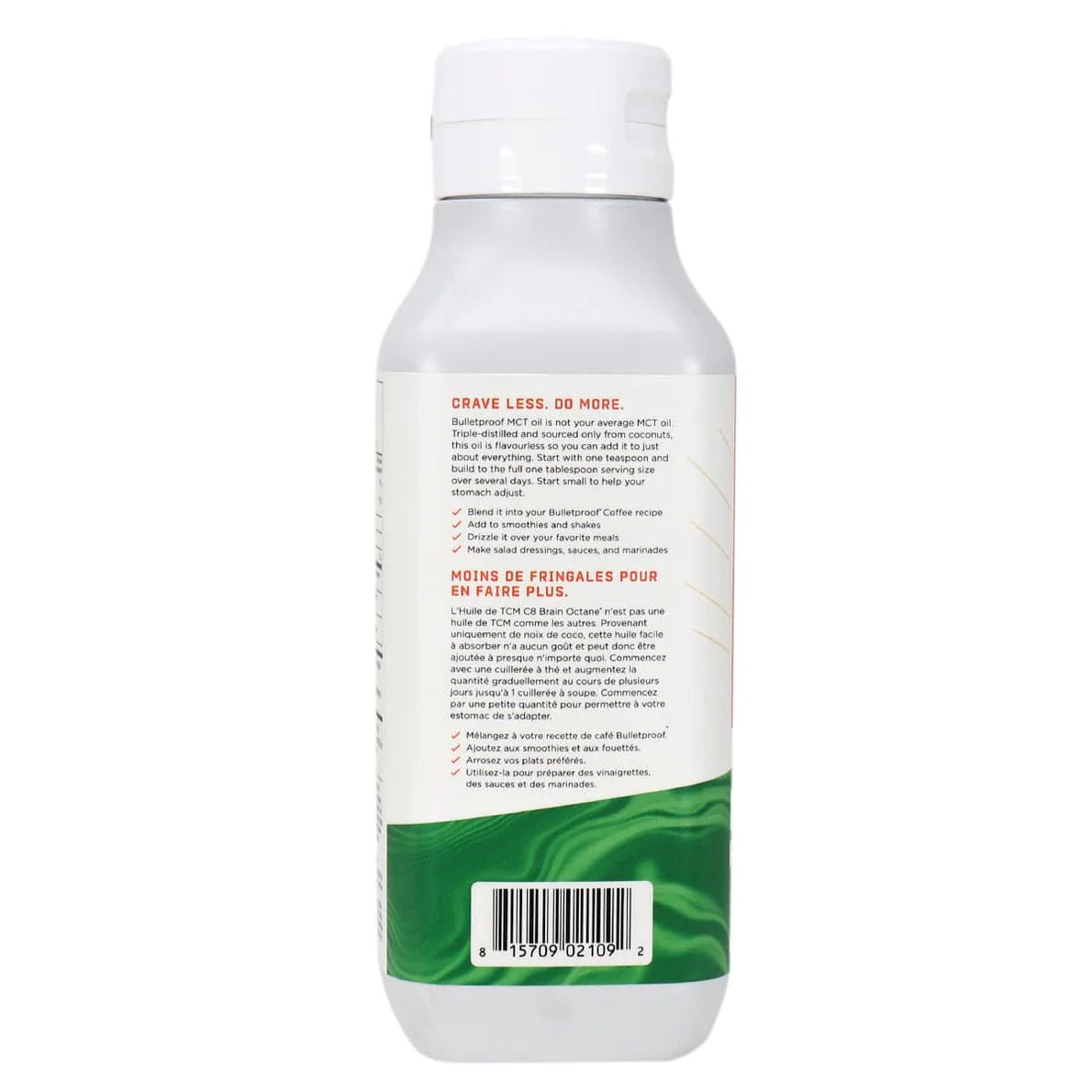
• MCT oil
• Ghee
• Specialty plant oils
Extra-virgin olive oil is particularly suited to dressings, marinades, dips, and many low-to-medium-heat cooking applications.
Avocado oil is a versatile option that can be suitable for higher-temperature cooking depending on the specific product.
Coconut oil and ghee provide distinctive flavours and culinary properties and can be incorporated appropriately within an overall balanced diet.
Natural & Alternative Sweeteners
Explore alternatives to conventional refined sugar for cooking, beverages, and baking.
Options may include:
• Honey
• Manuka honey
• Pure maple syrup
• Stevia
• Monk fruit sweeteners
• Reduced-sugar sweetening blends
Natural sweeteners such as honey and maple syrup still contain sugars and should generally be used in moderation.
Non-nutritive sweeteners such as stevia and monk fruit can provide sweetness with little or no added sugar, depending on the formulation.
Functional Pantry Staples
Functional pantry ingredients combine culinary versatility with nutritional value.
Products may include:
• Apple cider vinegar
• Nutritional yeast
• Broths and cooking bases
• Collagen-containing products
• Seeds and fibre-rich ingredients
• Nutritional powders
• Specialty baking ingredients
These products can be incorporated into soups, sauces, smoothies, baked foods, dressings, and everyday recipes.
Herbs & Spices
Herbs and spices can add significant flavour without relying heavily on sugar, salt, or highly processed sauces.
Popular options may include:
• Turmeric
• Ginger
• Cinnamon
• Garlic
• Rosemary
• Oregano
• Other culinary herbs and spice blends
Many herbs and spices naturally contain plant compounds and antioxidants, making them useful additions to a varied diet.
Superfood & Nutrient-Rich Ingredients
Functional powders and nutrient-dense foods can add variety to meals, smoothies, snacks, and baking.
Options may include:
• Cacao
• Greens powders
• Chia seeds
• Flaxseed
• Hemp products
• Plant-based nutritional powders
• Other superfood ingredients
DIET-FRIENDLY COOKING OPTIONS
Gluten-Free Cooking
Explore naturally gluten-free and certified gluten-free ingredients for individuals avoiding gluten.
Options may include:
• Gluten-free flours
• Baking mixes
• Pantry staples
• Cooking ingredients
Individuals with celiac disease should pay particular attention to certified gluten-free labeling and potential cross-contact, rather than assuming that every naturally gluten-free ingredient is suitable.
Plant-Based & Vegan Cooking
Plant-focused options can help create nutritious meals without animal-derived ingredients.
Look for:
• Plant-based cooking ingredients
• Vegan pantry staples
• Nutritional yeast
• Seeds and plant proteins
• Dairy-free alternatives
Lower-Carbohydrate Cooking
Lower-carbohydrate pantry options may include:
• Alternative flours
• Monk fruit or stevia sweeteners
• Seeds
• Appropriate cooking oils
• Low-sugar ingredients
The nutritional quality of the overall diet remains important regardless of carbohydrate intake.
Dairy-Free Cooking
Explore dairy-free alternatives for individuals avoiding milk ingredients because of preference, allergy, intolerance, or dietary lifestyle.
Always review individual product labels when avoiding specific allergens.
COMMON HEALTHY COOKING SWAPS
Small ingredient changes can improve the nutritional profile of everyday meals.
• Replace some highly processed cooking fats with appropriate unsaturated oils
• Use herbs and spices to add flavour without excessive salt
• Choose whole-food ingredients when practical
• Replace some refined grains with higher-fibre alternatives
• Use alternative sweeteners when reducing added sugar
• Incorporate seeds, nuts, legumes, and other nutrient-dense foods
• Choose minimally processed cooking bases and sauces
Healthy cooking does not require eliminating every traditional ingredient. The overall dietary pattern and frequency of consumption matter more than any single food.
HOW TO BUILD A HEALTHIER PANTRY
Start With Versatile Essentials
Choose ingredients that can be used across multiple meals, such as olive oil, herbs, spices, whole grains, seeds, and appropriate cooking bases.
Prioritize Fibre-Rich Foods
Fibre contributes to digestive health and can help support healthy cholesterol and blood glucose management.
Use Added Sugars Mindfully
Honey, maple syrup, coconut sugar, and similar alternatives are still sources of added sugar despite being less refined than table sugar.
Add Flavour Naturally
Herbs, spices, citrus, vinegars, garlic, and ginger can make nutritious foods more enjoyable without relying heavily on salt or sugar.
Read Ingredient Labels
Compare products for:
• Added sugars
• Sodium
• Saturated fat
• Fibre
• Allergens
• Ingredient quality
• Serving size
• Relevant dietary certifications
HOW TO CHOOSE THE RIGHT OPTION
• For everyday cooking: Choose versatile oils such as extra-virgin olive or avocado oil
• For reducing added sugar: Explore stevia, monk fruit, and other appropriate alternatives
• For baking: Choose flours, sweeteners, and functional ingredients suited to your recipe and dietary needs
• For gluten-free diets: Look for clearly labelled or certified gluten-free products when required
• For plant-based cooking: Explore vegan pantry ingredients, seeds, plant proteins, and dairy alternatives
• For adding nutrients to meals: Consider seeds, fibre-rich foods, and functional powders
• For flavour without excessive salt: Use herbs, spices, vinegars, and aromatic ingredients
• For personalized nutritional guidance: Consult an appropriate healthcare or nutrition professional
CAUTIONS & WARNINGS
“Natural,” “organic,” or “functional” does not automatically mean a food should be consumed without moderation.
Honey, maple syrup, and other caloric sweeteners still contribute sugar and calories.
Individuals managing diabetes or other blood glucose concerns should consider total carbohydrate intake rather than relying solely on claims such as “natural” or “low glycemic.”
People with food allergies, celiac disease, or dietary intolerances should carefully review ingredient lists, allergen statements, and cross-contact information.
MCT oil and certain concentrated oils may cause gastrointestinal discomfort when consumed in larger amounts, particularly when first introduced.
Dietary needs vary according to age, health conditions, medications, pregnancy, activity level, and individual nutritional requirements.
FAQ
What makes a cooking ingredient a healthier choice?
A healthier choice generally contributes positively to the overall nutritional quality of your diet—for example, by providing unsaturated fats, fibre, useful nutrients, or fewer unnecessary additives. The best choice also depends on how the ingredient is used and your individual dietary needs.
Which cooking oil should I use?
Extra-virgin olive oil is a versatile choice for many everyday applications, while avocado oil can work well for higher-temperature cooking. Different oils have different flavours, fatty-acid profiles, and culinary properties.
Are honey and maple syrup healthier than sugar?
They can contain small amounts of naturally occurring compounds, but they are still sources of added sugar and should generally be consumed in moderation.
Are monk fruit and stevia good alternatives to sugar?
They can be useful for people seeking to reduce added sugar. Check the full ingredient list because commercial products may combine these sweeteners with other ingredients.
Does gluten-free automatically mean healthier?
No. Gluten-free products are important for people with celiac disease and can be appropriate for certain sensitivities, but a gluten-free label alone does not determine a product’s overall nutritional quality.
What are functional cooking ingredients?
Functional ingredients are foods or culinary products that provide nutritional value beyond their basic cooking role, such as fibre-rich seeds, nutrient-dense powders, certain oils, and other whole-food ingredients.
How can I make everyday meals healthier without changing everything I eat?
Start with practical changes such as cooking more meals at home, increasing vegetables and fibre-rich foods, choosing appropriate cooking oils, reducing added sugar and excess sodium, and using herbs and spices for flavour.
WHY SHOP AT COAL HARBOUR PHARMACY
• Carefully curated healthy cooking essentials
• Trusted natural health and wellness brands
• Clean and functional pantry options
• Gluten-free, vegan, and specialty-diet choices
• Better-for-you alternatives for everyday cooking
• Convenient ingredients for cooking, baking, and meal preparation
• Fast, secure Canada-wide shipping
• Vancouver-based pharmacy with personalized guidance
RELATED COLLECTIONS
You may also be interested in:
• Heart & Cardiovascular Health
────────────────────────────────────
Shop Healthy Cooking →
Sort by
50 products


Free Delivery
Satisfied or refunded
Top-notch support
Secure payments
Encrypted checkout processing
Offers exclude prescriptions and in-store purchases.
Subscribe & Get a First-Order Reward
Plus, earning reward points on eligible online purchases and enjoy future store credit.
We respect your inbox at Coal Harbour Pharmacy - Expect thoughtfully curated health and wellness updates, timely reminders, and exclusive online savings.