
Hair Care & Beauty – Hair Growth, Strength, Scalp Health & Shine
Support stronger, healthier-looking hair from root to tip with pharmacist-curated hair supplements, shampoos, conditioners, scalp treatments, serums, and targeted solutions for thinning, breakage, dryness, and everyday hair wellness.
────────────────────────────────────
ABOUT THIS COLLECTION
Support healthier-looking hair and a balanced scalp with our Hair Care & Beauty collection at Coal Harbour Pharmacy. Hair health is influenced by many factors, including genetics, nutrition, hormones, stress, age, scalp health, styling practices, and certain medical conditions.
Our pharmacist-curated collection brings together hair-support supplements, shampoos, conditioners, scalp treatments, serums, oils, and specialized hair-care formulas designed to address concerns ranging from dryness and breakage to thinning and excessive shedding.
Nutrients such as biotin, zinc, iron, vitamin D, amino acids, silica, and protein contribute to normal physiological processes involved in healthy hair when dietary intake is inadequate, while topical products help maintain scalp condition, moisture, manageability, and the appearance of fuller, healthier hair.
Whether you’re building an everyday hair-care routine or looking for targeted support for a specific concern, explore trusted professional, natural health, and beauty brands selected for quality and effectiveness.
Shop online with fast Canadian shipping or visit our Vancouver pharmacy for personalized guidance.
KEY BENEFITS
• Supports healthy hair growth and maintenance
• Helps strengthen fragile or breakage-prone hair
• Supports healthy-looking hair thickness and density
• Nourishes and conditions the scalp
• Helps improve moisture, softness, and manageability
• Supports healthier-looking shine and texture
• Provides nutritional support where deficiencies contribute to hair concerns
• Offers targeted options for thinning and excessive shedding
• Includes solutions for dry, oily, sensitive, and flaky scalps
• Suitable for women’s and men’s hair-care routines
WHO IT’S IDEAL FOR
• Individuals experiencing thinning or excessive shedding
• People with dry, brittle, or damaged hair
• Those concerned about hair breakage
• Adults seeking nutritional hair support
• Individuals with dry, oily, flaky, or sensitive scalps
• People whose hair is frequently coloured or heat styled
• Women experiencing postpartum-related hair changes
• Adults experiencing age-related changes in hair density
• Men and women building preventative hair-care routines
• Anyone seeking healthier-looking, stronger, shinier hair
WHAT AFFECTS HAIR HEALTH?
Hair grows through a natural cycle consisting of growth, transition, resting, and shedding phases.
Changes in this cycle can be influenced by:
• Genetics
• Hormonal changes
• Pregnancy and postpartum changes
• Aging
• Significant physical or emotional stress
• Nutritional deficiencies
• Certain medications
• Thyroid and other medical conditions
• Rapid weight loss or restrictive diets
• Scalp conditions
• Frequent chemical processing
• Excessive heat styling
Identifying the underlying reason for persistent hair loss is important because different causes require different approaches.
TYPES OF HAIR CARE & BEAUTY PRODUCTS
Hair Growth & Nutritional Supplements
Hair-support supplements may provide vitamins, minerals, amino acids, and other nutrients involved in maintaining normal hair.
Common ingredients include:
• Biotin
• Zinc
• Selenium
• Vitamin D
• B vitamins
• Iron where appropriate
• Silica
• Amino acids
• Collagen peptides
• Antioxidants
Supplementation is most useful when nutritional intake is inadequate or an underlying deficiency is present.
Hair Thinning & Shedding Support
Products designed for thinning hair may include topical scalp formulas, nutritional supplements, and targeted hair-density products.
Depending on the formula, ingredients may include:
• Botanical extracts
• Peptides
• Caffeine
• Saw palmetto
• Amino acids
• Vitamins and minerals
• Scalp-conditioning ingredients
Persistent or progressive hair loss should be professionally assessed rather than managed solely with cosmetic products or supplements.
Shampoos
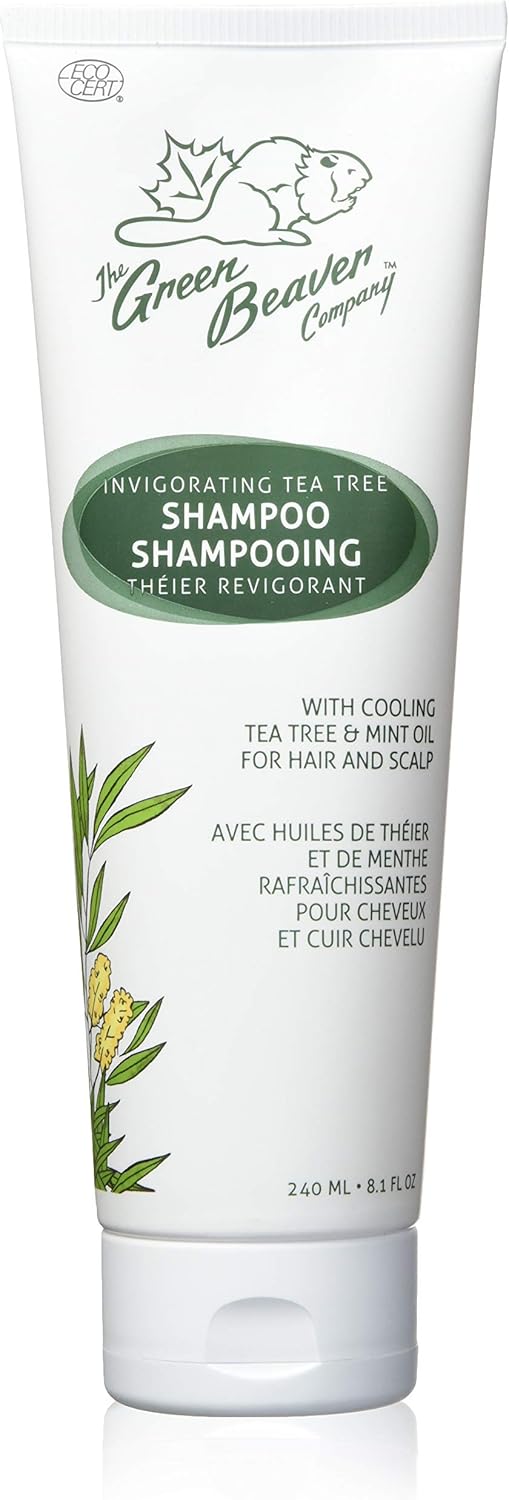
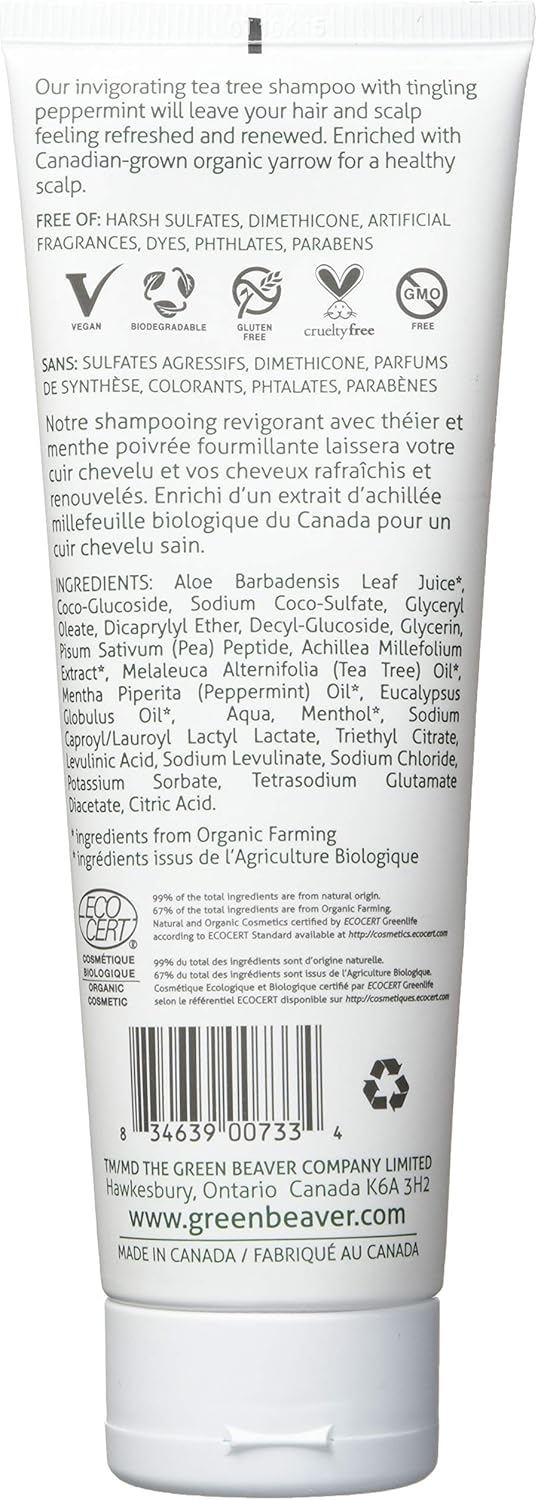
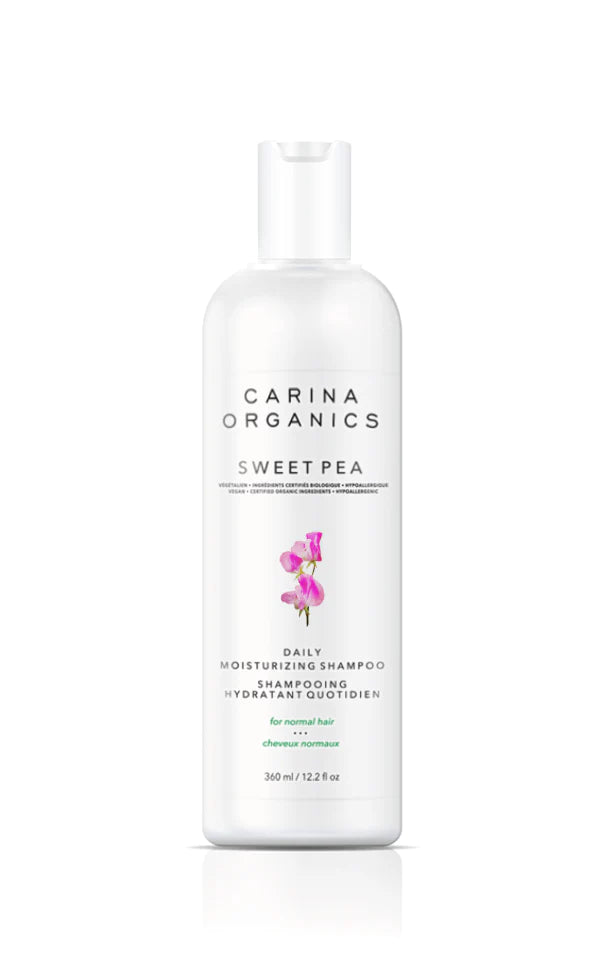
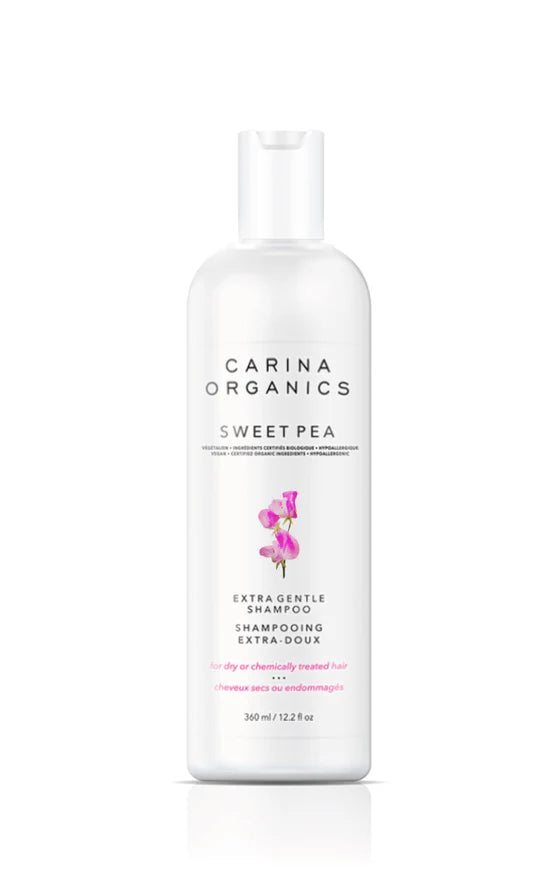
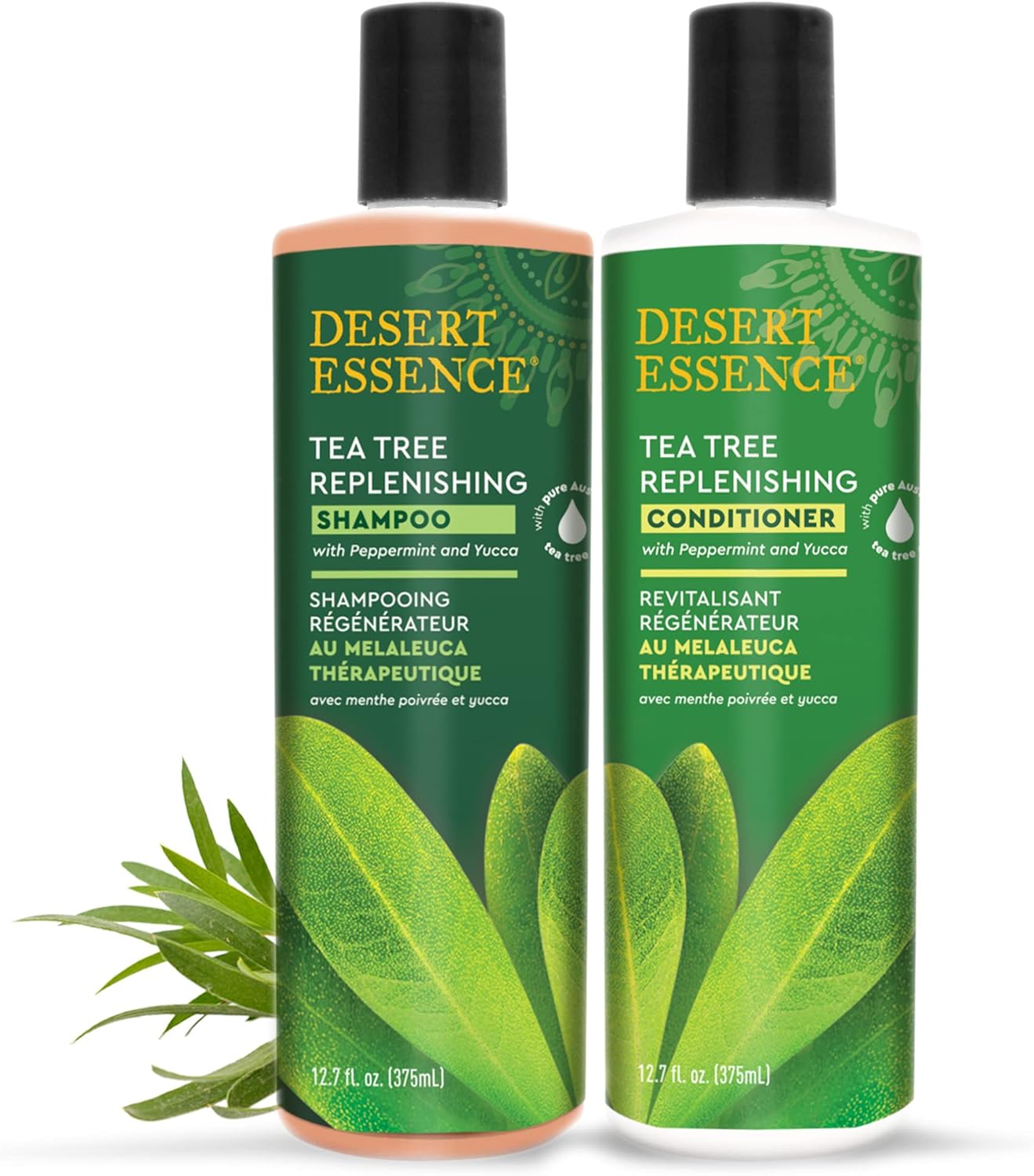
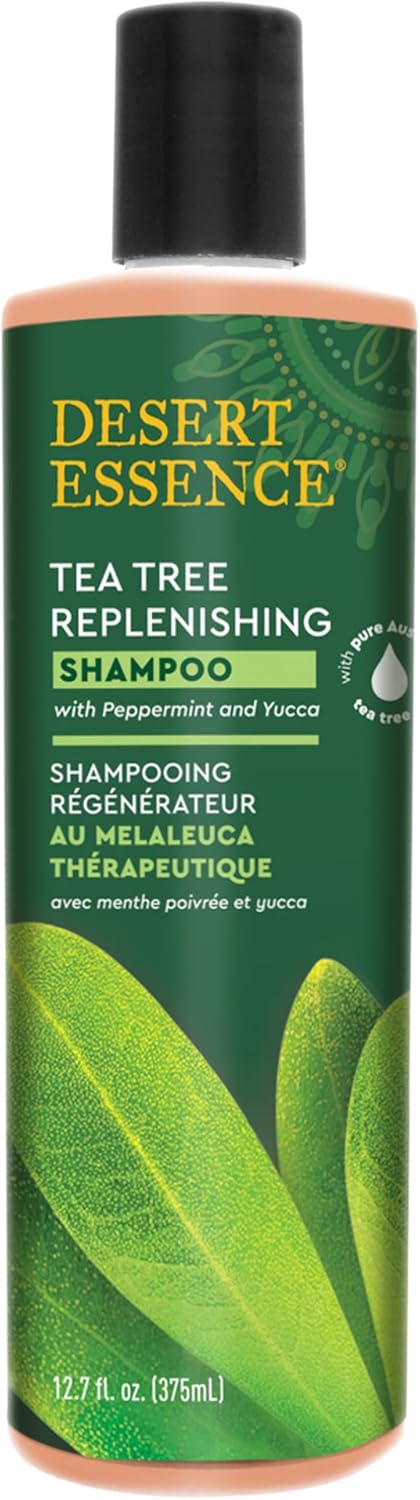
The right shampoo helps cleanse excess oil, styling products, environmental debris, and scalp buildup without unnecessarily stripping the hair.
Options may include:
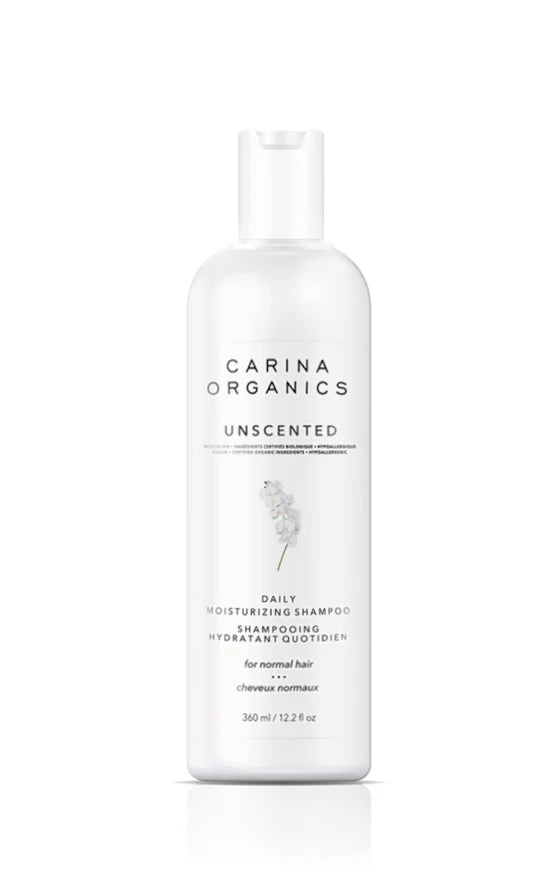
• Hydrating shampoos
• Volumizing shampoos
• Clarifying shampoos
• Sensitive-scalp shampoos
• Colour-care shampoos
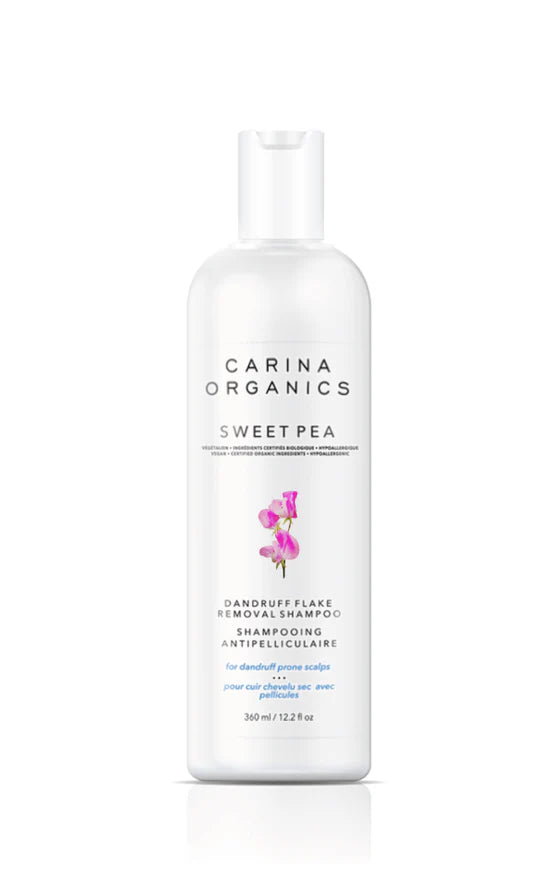
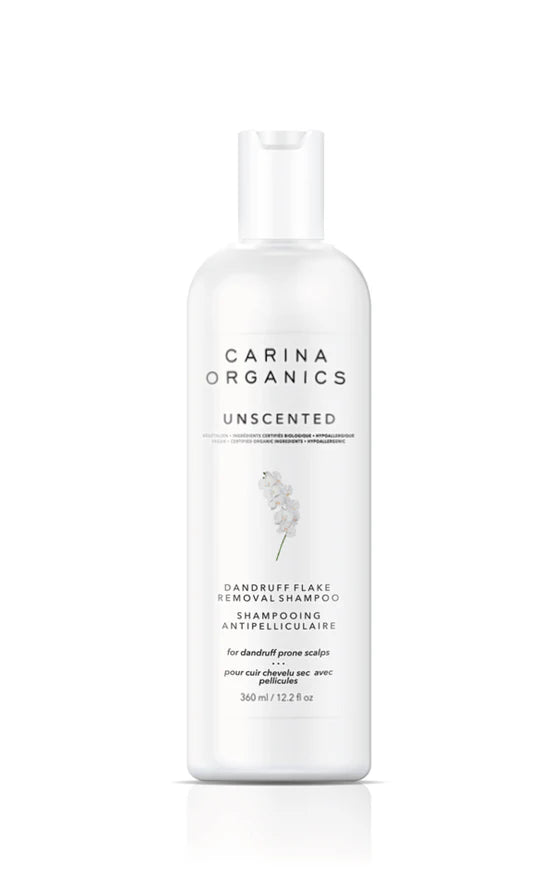
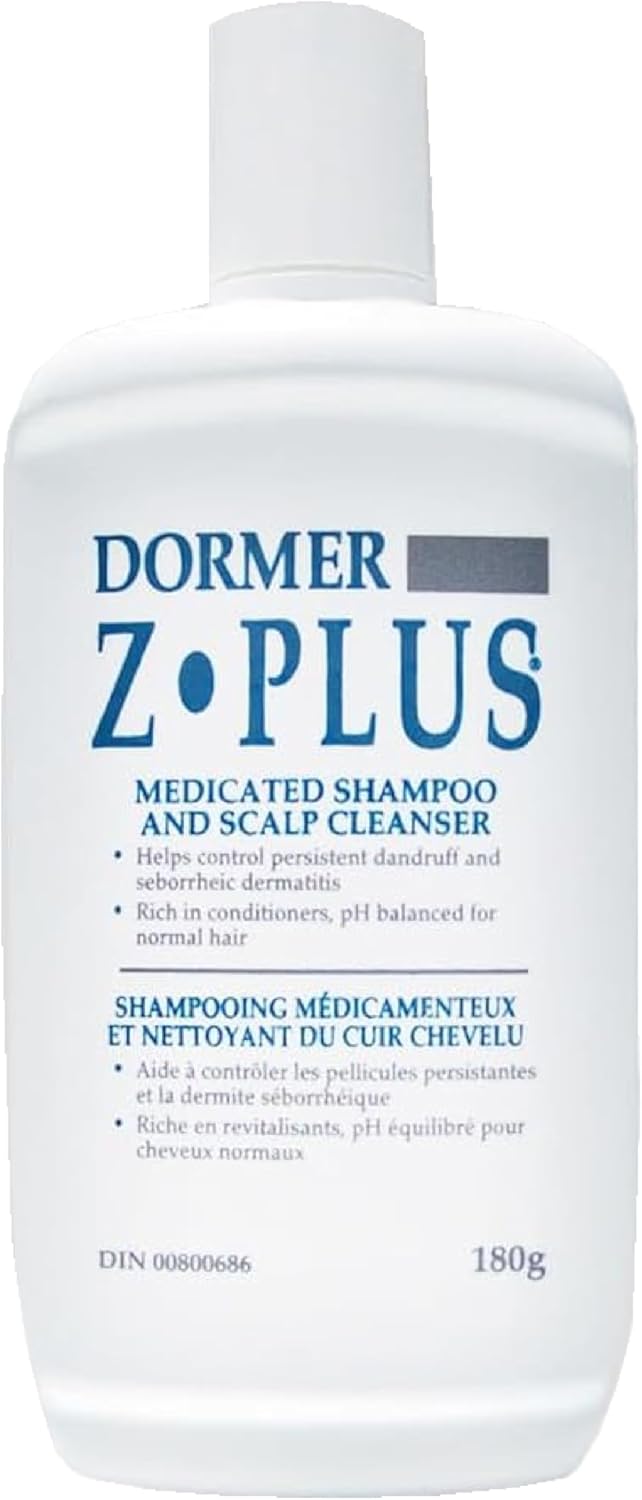
• Anti-dandruff shampoos
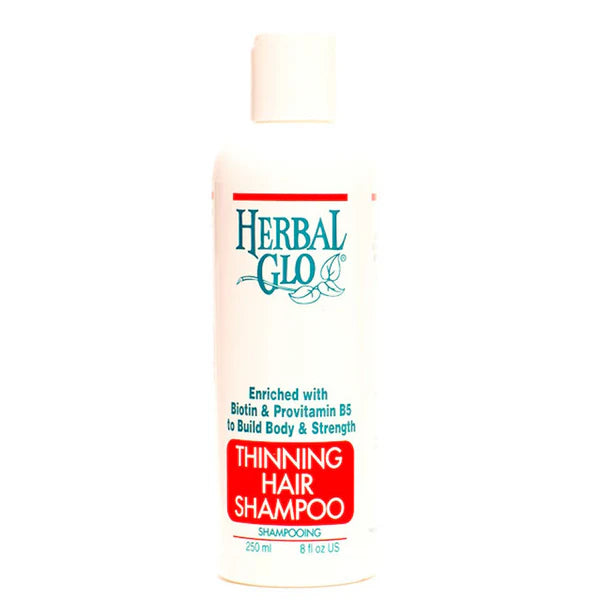
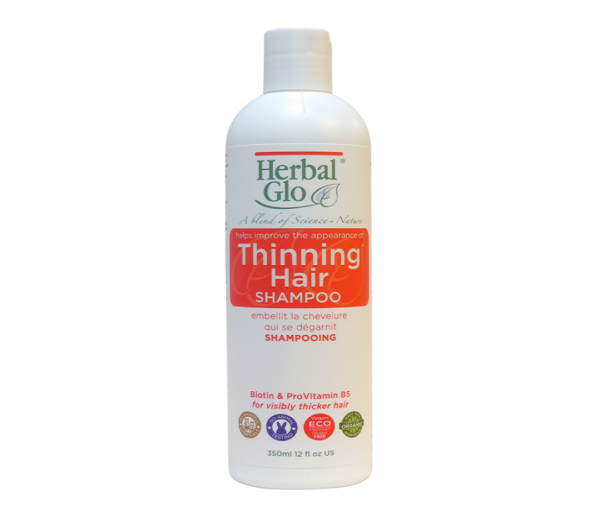
• Hair-thinning shampoos
• Sulfate-free options
Conditioners & Hair Treatments
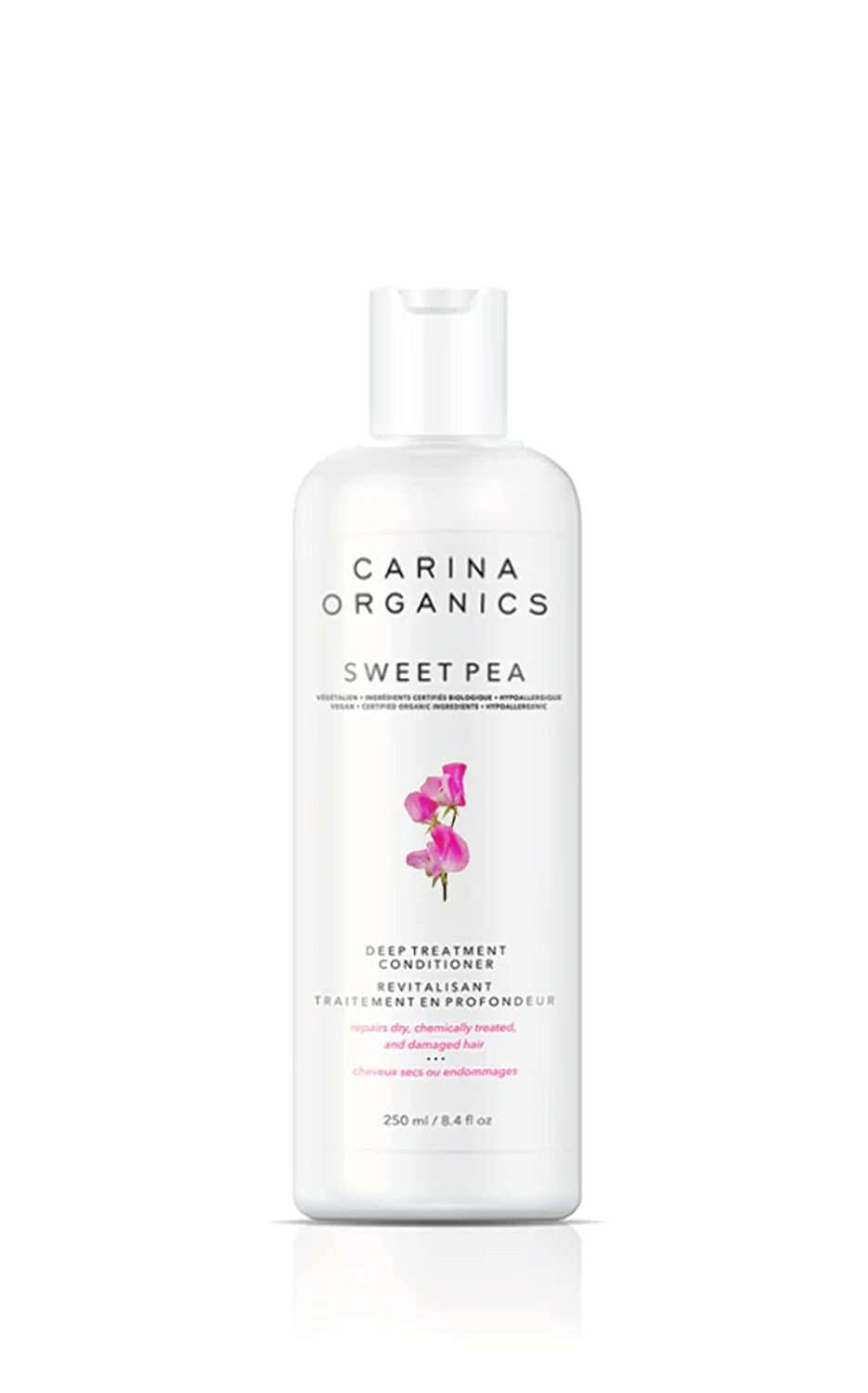
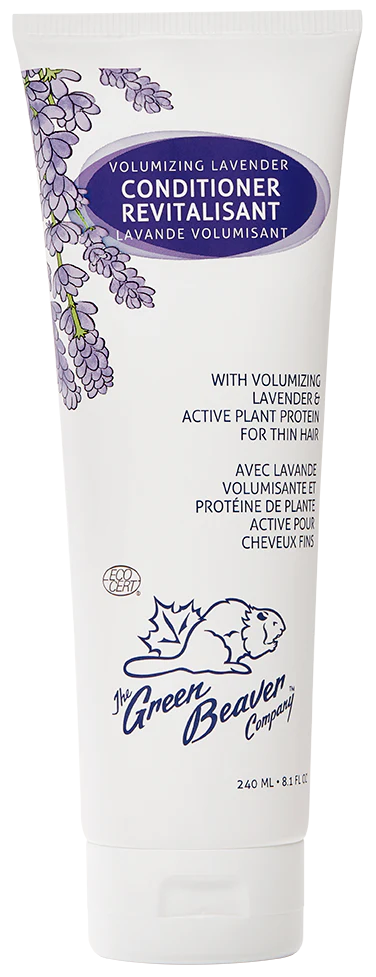
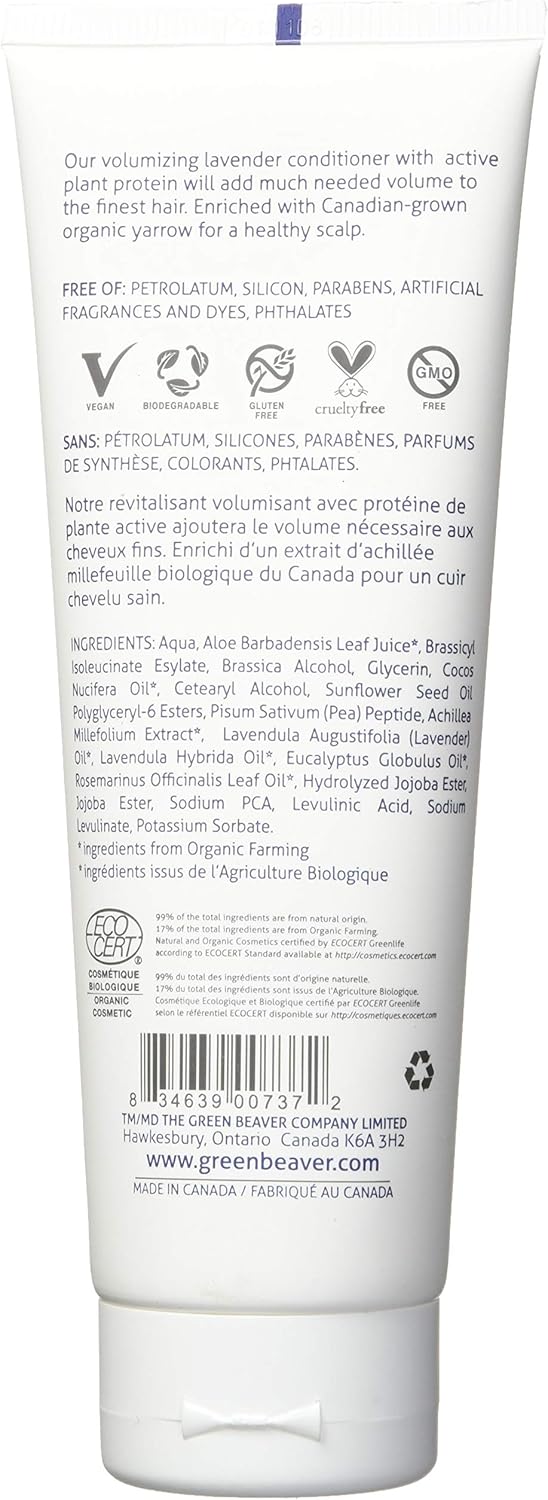
Conditioning products help improve hair softness, manageability, moisture, and resistance to breakage.
Choose from:
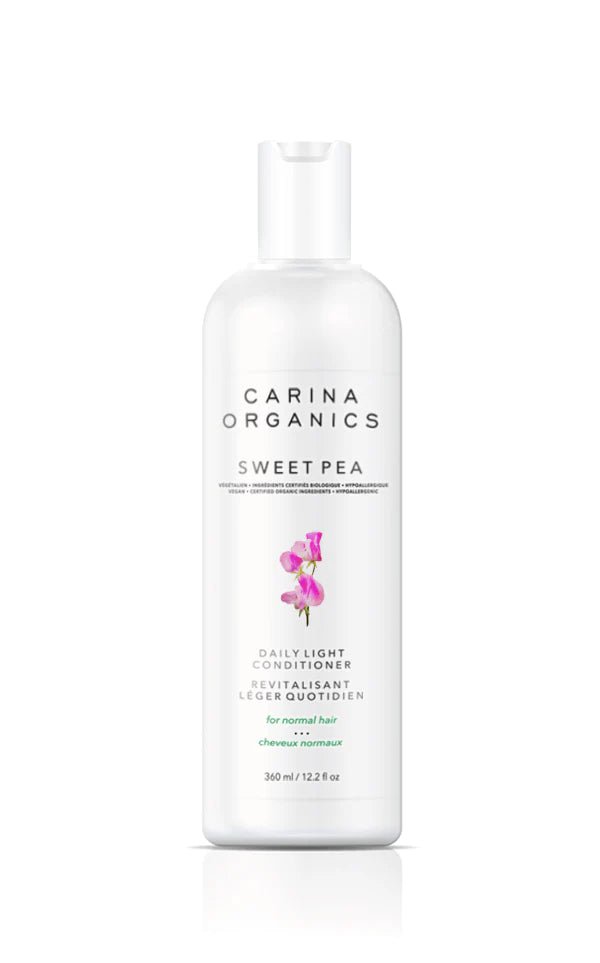
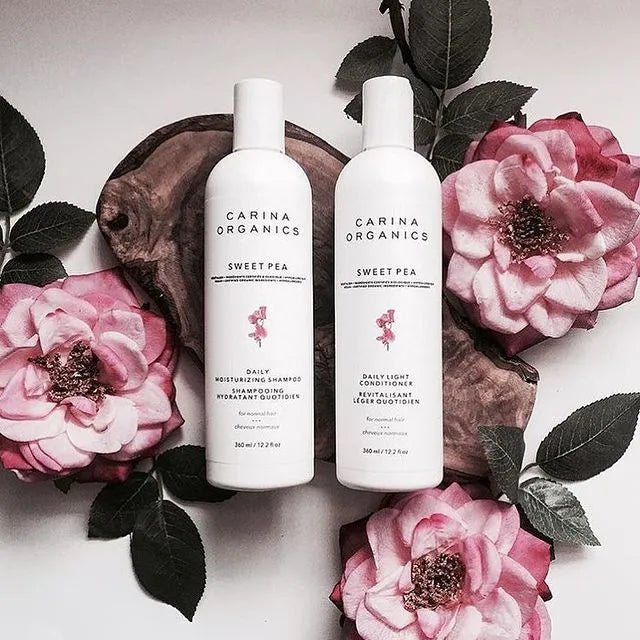
• Daily conditioners
• Deep-conditioning treatments
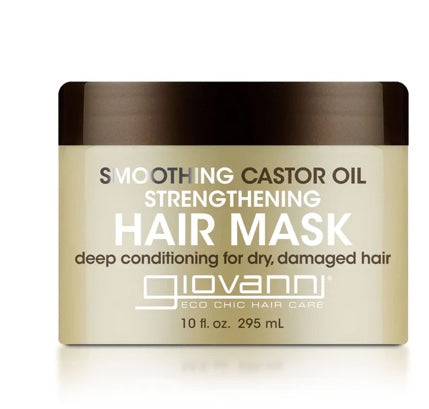
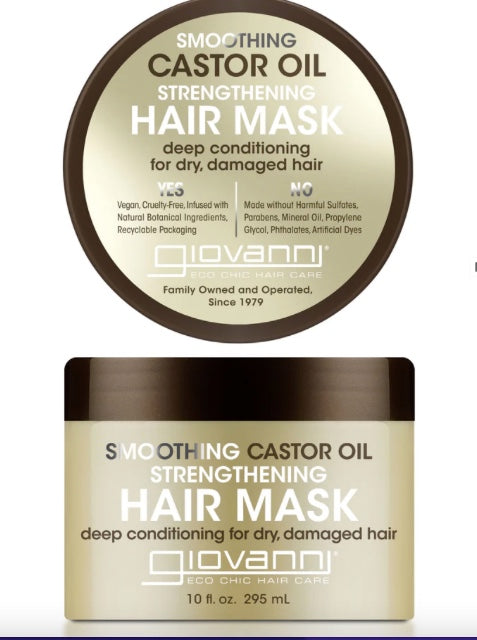
• Repair masks
• Leave-in conditioners
• Hair oils
• Bond-support products
• Intensive moisture treatments
Scalp Care
Healthy-looking hair begins with appropriate scalp care.
Scalp products may help manage:
• Dryness
• Excess oil
• Flaking
• Product buildup
• Itching
• Irritation
• Dandruff
• General scalp discomfort
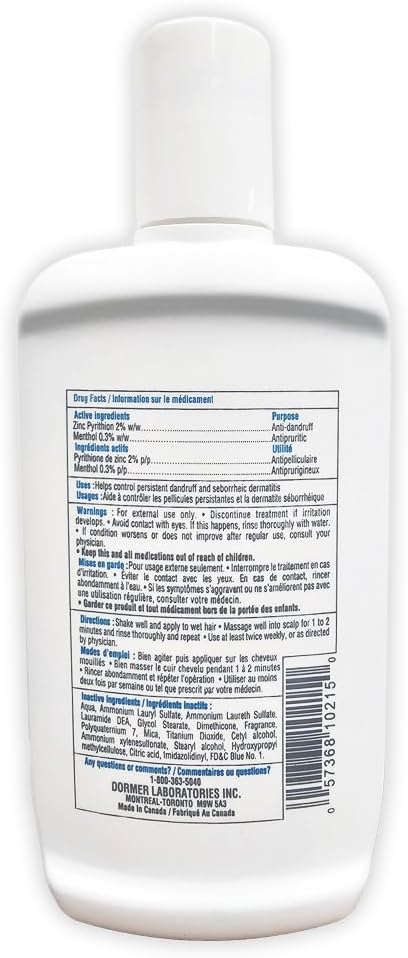
Medicated shampoos may be appropriate for certain scalp conditions, while gentle cleansing and moisturizing products can help maintain routine scalp health.
Hair Serums & Topical Treatments
Serums and leave-in treatments can provide targeted support directly to the hair or scalp.
Depending on the formulation, they may help:
• Improve the appearance of density
• Condition the scalp
• Reduce breakage
• Smooth frizz
• Protect damaged hair
• Improve shine and manageability
KEY HAIR-SUPPORTING NUTRIENTS
Biotin
Biotin (vitamin B7) contributes to normal macronutrient metabolism and is frequently included in hair, skin, and nail supplements.
True biotin deficiency can contribute to hair changes, but taking very high doses does not necessarily improve hair growth in people who already obtain adequate biotin.
High-dose biotin can also interfere with certain laboratory tests, so healthcare providers should be informed about supplementation before blood testing.
Iron
Iron deficiency can contribute to hair shedding in some individuals.
Iron supplements should generally be used when there is a demonstrated need or professional recommendation rather than automatically taken for hair loss.
Zinc
Zinc is involved in numerous cellular processes and contributes to normal protein synthesis and immune function. Inadequate zinc status can affect skin and hair health.
Vitamin D
Vitamin D plays numerous physiological roles and has been investigated in relation to several forms of hair loss.
Supplementation should be based on individual nutritional needs.
Protein & Amino Acids
Hair is composed primarily of keratin, a structural protein.
Adequate dietary protein and amino acids therefore form an important nutritional foundation for normal hair production.
Collagen
Collagen supplements provide amino acids used throughout connective tissues.
While collagen can contribute to overall protein and amino acid intake, it should not be presented as a guaranteed treatment for hair loss or regrowth.
Silica
Silica is commonly included in beauty and hair-support formulas and is often paired with biotin, collagen, or other nutrients.
Evidence for specific hair-growth effects varies by formulation.
HAIR LOSS & THINNING
Hair shedding can occur for many different reasons, and determining the cause is important.
Common patterns include:
Hereditary Hair Thinning
Androgenetic alopecia can affect both men and women and typically causes progressive changes in hair density.
Stress-Related Shedding
Physical illness, major stress, surgery, rapid weight loss, and other physiological stressors can trigger temporary increased shedding known as telogen effluvium.
Postpartum Hair Shedding
Hormonal changes following pregnancy commonly cause temporary increased shedding.
Hair growth often gradually normalizes, although persistent or severe loss should be evaluated.
Nutritional Hair Loss
Deficiencies in nutrients such as iron, zinc, protein, or certain vitamins can sometimes contribute to hair changes.
Correcting an identified deficiency is more appropriate than taking high doses of multiple nutrients without determining whether they are needed.
SCALP HEALTH & DANDRUFF CARE
A healthy scalp provides the environment in which hair follicles function.
For dandruff and persistent flaking, targeted shampoos may contain active ingredients specifically designed to control dandruff and scalp scaling.
For mild dryness, gentler approaches may include:
• Moisturizing shampoos
• Reduced use of harsh cleansers
• Scalp-conditioning products
• Avoiding excessively hot water
• Limiting irritating styling products
Persistent itching, scaling, redness, sores, or hair loss accompanied by scalp inflammation should be professionally evaluated.
HOW TO CHOOSE THE RIGHT OPTION
• For dry or damaged hair: Choose moisturizing shampoos, conditioners, masks, and repair treatments
• For breakage: Focus on conditioning, gentle styling, adequate protein, and strengthening products
• For thinning hair: Consider targeted scalp care and determine whether an underlying cause is present
• For dandruff: Choose an appropriate anti-dandruff or scalp treatment
• For nutritional support: Select supplements based on actual dietary needs and potential deficiencies
• For postpartum shedding: Prioritize adequate nutrition and discuss persistent or significant hair loss with a healthcare professional
• For sensitive scalps: Choose gentle, fragrance-conscious formulations
• For colour-treated hair: Select products designed to minimize dryness and colour fading
• For personalized recommendations: Consult our pharmacy team
HOW TO BUILD A HAIR CARE ROUTINE
A balanced routine should address both the scalp and the hair fibre.
Cleanse: Choose a shampoo suited to your scalp and hair type.
Condition: Apply an appropriate conditioner to improve moisture and manageability.
Treat: Add targeted scalp treatments, masks, serums, or leave-in products based on your concerns.
Protect: Minimize excessive heat, chemical processing, and mechanical damage.
Nourish: Maintain adequate protein, essential fatty acids, vitamins, minerals, and overall dietary quality.
Consistency is more important than continually switching between products.
CAUTIONS & CONSIDERATIONS
Hair loss can occasionally indicate an underlying nutritional, hormonal, dermatological, or medical condition.
Seek professional assessment for:
• Sudden or unexplained hair loss
• Patchy bald areas
• Rapidly progressing thinning
• Significant scalp redness, pain, or inflammation
• Scarring or sores on the scalp
• Hair loss accompanied by unexplained fatigue or other systemic symptoms
• Persistent shedding lasting several months
• Hair loss beginning after a new medication
Do not automatically take iron or high-dose vitamins for hair loss without determining whether supplementation is appropriate.
Pregnant or breastfeeding individuals should check the suitability of hair supplements and botanical ingredients before use.
FAQ
What vitamins are important for healthy hair?
Adequate protein, iron, zinc, vitamin D, biotin, and other micronutrients contribute to normal health and may affect hair when intake or body stores are inadequate. Supplementation should address individual nutritional needs rather than relying on unnecessarily high doses.
Does biotin make hair grow faster?
Biotin deficiency can cause hair changes, so correcting a deficiency is important. Evidence that high-dose biotin improves hair growth in people who are not deficient is limited.
Can collagen help hair growth?
Collagen provides amino acids used by the body, but evidence that collagen supplementation alone directly causes hair regrowth is limited. It can be considered part of broader nutritional support.
What causes excessive hair shedding?
Possible causes include stress, illness, postpartum hormonal changes, nutritional deficiencies, thyroid conditions, certain medications, rapid weight loss, and hereditary hair loss.
Is postpartum hair loss normal?
Temporary increased shedding is common after pregnancy because of changes in the normal hair-growth cycle. Persistent, severe, or unusual hair loss should be discussed with a healthcare professional.
Can shampoo stop hair loss?
Shampoo can support scalp health and improve the appearance and condition of hair, but most shampoos cannot correct underlying medical or hereditary causes of hair loss.
How can I reduce hair breakage?
Use appropriate conditioners, minimize excessive heat and chemical processing, avoid aggressive brushing or tight hairstyles, and maintain adequate protein and overall nutrition.
When should I seek help for hair loss?
Seek professional assessment for sudden, patchy, rapidly worsening, or persistent hair loss, particularly when accompanied by scalp changes or other symptoms.
WHY SHOP AT COAL HARBOUR PHARMACY
• Pharmacist-curated hair and scalp care
• Professional, natural health, and beauty brands
• Nutritional and topical hair-support options
• Solutions for thinning, dryness, breakage, and scalp concerns
• Products for women’s and men’s hair-care needs
• Sensitive-scalp and clean-formulation options available
• Fast, secure Canada-wide shipping
• Vancouver-based pharmacy with personalized guidance
RELATED COLLECTIONS
You may also be interested in:
• Hair Loss & Thinning Support
• Shampoos
• Biotin
• Collagen
────────────────────────────────────
Shop Hair Care & Beauty →
Sort by
65 products
Free Delivery
Satisfied or refunded
Top-notch support
Secure payments
Encrypted checkout processing
Offers exclude prescriptions and in-store purchases.
Subscribe & Get a First-Order Reward
Plus, earning reward points on eligible online purchases and enjoy future store credit.
We respect your inbox at Coal Harbour Pharmacy - Expect thoughtfully curated health and wellness updates, timely reminders, and exclusive online savings.