
L-Alanine & Beta-Alanine – Amino Acid Support for Energy, Exercise & Performance
Compare L-alanine and beta-alanine—two structurally related but functionally different amino acids used in nutrition and sports performance, from everyday amino acid metabolism to muscular carnosine support during high-intensity exercise.
────────────────────────────────────
About L-Alanine & Beta-Alanine
L-alanine and beta-alanine share the word alanine, but they have distinctly different roles in the human body.
L-Alanine is a protein-forming amino acid involved in amino acid metabolism, glucose production, and the transport of nitrogen between tissues.
Beta-Alanine is a non-protein amino acid best known as a precursor to carnosine, a compound concentrated in skeletal muscle. Supplementing beta-alanine can increase muscular carnosine levels, which can help buffer the accumulation of hydrogen ions during certain forms of intense exercise.
The L-Alanine & Beta-Alanine collection at Coal Harbour Pharmacy brings these two amino acids together while making their differences clear, helping customers choose according to their nutritional or performance goals.
Key Benefits
• Provides two distinct forms of alanine-related amino acid supplementation
• L-Alanine supports normal amino acid and energy metabolism
• L-Alanine participates in the glucose-alanine cycle
• Beta-Alanine supports muscular carnosine production
• Beta-Alanine may support performance during repeated or sustained high-intensity exercise
• Suitable for targeted amino acid and sports-nutrition routines
• Available as standalone ingredients and within selected performance formulas
Who It’s Ideal For
This collection may appeal to:
• Athletes and physically active adults
• People comparing individual amino acid supplements
• Customers interested in exercise-performance nutrition
• Individuals specifically seeking beta-alanine for carnosine support
• People looking for L-alanine as a targeted amino acid
• Customers building pre-workout or sports-nutrition routines
The two ingredients should not be treated as interchangeable, despite their similar names.
L-Alanine vs Beta-Alanine
|
Feature |
L-Alanine |
Beta-Alanine |
|---|---|---|
|
Amino acid type |
Protein-forming alpha-amino acid |
Non-protein beta-amino acid |
|
Found naturally in proteins? |
Yes |
Not incorporated into proteins in the usual way |
|
Primary physiological role |
Amino acid, glucose and nitrogen metabolism |
Precursor for carnosine synthesis |
|
Relationship to muscle |
Participates in normal muscle and energy metabolism |
Helps increase muscular carnosine concentrations |
|
Glucose-alanine cycle |
Yes—an important participant |
No |
|
Carnosine production |
Not the primary precursor |
Yes—combines with histidine to form carnosine |
|
Main supplement interest |
Targeted amino acid and metabolic nutrition |
High-intensity exercise and muscular endurance support |
|
Performance evidence |
Limited for direct performance enhancement |
Considerably stronger for specific high-intensity exercise applications |
|
Immediate pre-workout effect? |
Not established |
Not primarily an acute effect; benefits depend on increasing muscle carnosine over time |
|
Common noticeable effect |
Usually none specific |
Temporary tingling or prickling may occur |
|
Best suited for |
General/targeted amino acid supplementation |
Sports performance and high-intensity training support |
What Is L-Alanine?
L-Alanine is a non-essential amino acid, meaning the body can synthesize it rather than relying entirely on dietary intake.
It is incorporated into proteins and participates in several normal metabolic processes.
One of its best-known functions involves the glucose-alanine cycle, through which alanine helps transport nitrogen from muscle to the liver while participating in pathways related to glucose production.
L-alanine is therefore biologically important, but this does not mean that taking additional L-alanine automatically increases energy, builds muscle, or improves athletic performance.
L-Alanine & the Glucose-Alanine Cycle
During amino acid metabolism in skeletal muscle, nitrogen can be transferred to pyruvate to form alanine.
Alanine can then travel through the bloodstream to the liver, where its carbon skeleton can contribute to gluconeogenesis—the production of glucose.
Nitrogen can subsequently enter pathways that ultimately allow its elimination through the urea cycle.
This makes alanine an important link between:
• Muscle metabolism
• Amino acid metabolism
• Nitrogen transport
• Hepatic glucose production
This physiological role should be distinguished from claims that supplemental alanine directly “boosts blood sugar” or provides an immediate energy effect.
What Is Beta-Alanine?
Beta-alanine differs structurally from the alpha-amino acids commonly used to build proteins.
Its major nutritional importance is its role as a precursor to carnosine.
Inside skeletal muscle, beta-alanine combines with histidine to form carnosine.
Because beta-alanine availability is generally more limiting than histidine availability for carnosine synthesis, beta-alanine supplementation can increase muscle carnosine concentrations over time.
Beta-Alanine & Carnosine
Carnosine helps buffer changes in acidity within exercising muscle.
During intense exercise, increased hydrogen-ion accumulation contributes to reductions in muscle pH and is one factor associated with fatigue.
Increasing muscle carnosine can improve intracellular buffering capacity.
This helps explain why beta-alanine has become a well-established ingredient in many:
• Pre-workout formulas
• Sports-performance supplements
• Endurance-performance blends
• High-intensity training products
However, beta-alanine does not work like a stimulant and should not be expected to produce an immediate caffeine-like increase in energy.
Beta-Alanine for Exercise Performance
Research on beta-alanine is considerably more developed than research on supplemental L-alanine for athletic performance.
Potential benefits are most relevant to activities involving sustained or repeated high-intensity muscular effort, where acid-base buffering can influence performance.
Examples may include:
• High-intensity interval training
• Repeated sprint exercise
• Combat sports
• Rowing
• Cycling
• Swimming
• Certain CrossFit-style workouts
• Repeated high-intensity resistance-training efforts
The magnitude of benefit varies by activity, training status, supplementation protocol, and individual response.
Beta-alanine should therefore not be presented as universally improving every type of exercise.
Does Beta-Alanine Work Immediately?
Not primarily.
Unlike caffeine, beta-alanine’s main mechanism depends on gradually increasing muscle carnosine stores.
This means consistency over time matters more than taking a single serving immediately before a workout.
Pre-workout products often contain beta-alanine because of its sports-performance role, but its inclusion in a pre-workout formula does not mean its primary benefit occurs from that individual pre-exercise dose.
Beta-Alanine & Tingling
Beta-alanine can cause a temporary tingling, prickling, or itching sensation called paresthesia.
It commonly affects areas such as the:
• Face
• Neck
• Hands
• Arms
The sensation is usually temporary and is associated particularly with larger individual doses.
Dividing intake into smaller servings or using appropriately formulated sustained-release products may reduce this effect.
The tingling sensation itself is not evidence that the supplement is “working harder” and does not predict the performance benefit.
Which One Should You Choose?
Choose L-Alanine If:
Your goal is targeted supplementation with alanine as a protein-forming amino acid involved in normal glucose, nitrogen, and amino acid metabolism.
Choose Beta-Alanine If:
Your primary goal is to increase muscular carnosine and support performance during appropriate forms of repeated or sustained high-intensity exercise.
For General Muscle Building
Neither ingredient replaces adequate dietary protein, total calorie intake, resistance training, recovery, and other foundational sports-nutrition strategies.
For Sports Performance
Beta-alanine has the clearer evidence base of the two for specific performance applications.
Beta-Alanine vs Creatine
Beta-alanine and creatine are sometimes included in the same sports-nutrition formulas, but they work differently.
Beta-alanine primarily supports muscular carnosine concentrations and intracellular buffering.
Creatine primarily increases muscle phosphocreatine availability, helping regenerate ATP during short-duration, high-intensity activity.
Because their mechanisms differ, the ingredients are not substitutes for one another and may appear together in performance-oriented routines.
Food Sources
L-Alanine
Because alanine is incorporated into proteins, it is naturally obtained through many protein-containing foods, including:
• Meat
• Poultry
• Fish
• Eggs
• Dairy products
• Legumes
• Other protein-rich foods
Beta-Alanine
Beta-alanine is obtained indirectly through dietary compounds such as carnosine and anserine, which occur primarily in animal foods such as meat, poultry, and fish.
This dietary difference partly explains why muscle carnosine concentrations can vary according to dietary pattern.
How to Choose an L-Alanine or Beta-Alanine Supplement
Check the Exact Form
Do not purchase a product labelled simply “alanine” without confirming whether it contains L-alanine or beta-alanine.
Match It to Your Goal
Choose L-alanine for targeted amino acid supplementation and beta-alanine when muscular carnosine and high-intensity performance are the primary objectives.
Review Combination Products
Beta-alanine frequently appears in pre-workout formulas alongside caffeine, creatine, citrulline, electrolytes, or other performance ingredients.
Consider Total Daily Intake
When using several sports supplements, check all labels so you know how much beta-alanine you are receiving from combined products.
Safety & Responsible Use
Both L-alanine and beta-alanine should be used according to the directions of the individual product.
The most characteristic beta-alanine side effect is temporary paresthesia, particularly after larger single servings.
People who are pregnant or breastfeeding, have significant kidney or liver disease, take prescription medications, or have medical conditions affecting amino acid metabolism should seek appropriate professional guidance before using concentrated amino acid supplements.
Sports supplements should complement—not replace—adequate nutrition, hydration, training, sleep, and recovery.
FAQs
Are L-alanine and beta-alanine the same thing?
No. They are structurally related amino acids but have distinctly different biological roles. L-alanine is incorporated into proteins and participates in normal metabolism, while beta-alanine is primarily important as a precursor to carnosine.
Which is better for exercise performance?
Beta-alanine has substantially more research supporting specific sports-performance applications, particularly activities involving repeated or sustained high-intensity effort.
Does L-alanine increase energy?
L-alanine participates in normal energy and glucose metabolism, but that does not mean supplementation produces an immediate or stimulant-like energy increase.
What does beta-alanine do?
Beta-alanine helps increase muscular carnosine concentrations. Carnosine contributes to buffering changes in muscle acidity during intense exercise.
Why does beta-alanine make my skin tingle?
Beta-alanine can cause temporary paresthesia—a harmless tingling or prickling sensation in many healthy users. It is more likely with larger individual doses.
Does tingling mean beta-alanine is working?
No. Paresthesia is a sensory side effect and is not a measure of increased carnosine or exercise benefit.
Should beta-alanine be taken immediately before exercise?
Its principal benefit comes from increasing muscle carnosine over time, so consistent intake is more important than precise pre-workout timing.
Is beta-alanine the same as creatine?
No. They work through different physiological pathways. Beta-alanine supports carnosine formation, while creatine supports the phosphocreatine energy system.
Can L-alanine and beta-alanine be taken together?
They have different physiological roles and can appear within the same broader nutritional regimen, but taking both is not automatically necessary. Selection should reflect the individual’s nutritional and performance goals.
Why Shop L-Alanine & Beta-Alanine at Coal Harbour Pharmacy?
• Pharmacist-curated amino acid supplements
• L-Alanine and beta-alanine options clearly distinguished
• Sports-performance and targeted nutritional formulas
• Standalone and combination supplement options
• Trusted sports-nutrition and professional supplement brands
• Fast Canada-wide shipping
RELATED COLLECTIONS
You may also be interested in:
• Amino Acids
• Pre-Workout Supplements
• Creatine Supplements
• Sports Nutrition
• Protein Powders
• Electrolytes & Hydration
• BCAA Supplements
• Energy & Performance Support
────────────────────────────
Shop L-Alanine & Beta-Alanine →
Sort by
6 products

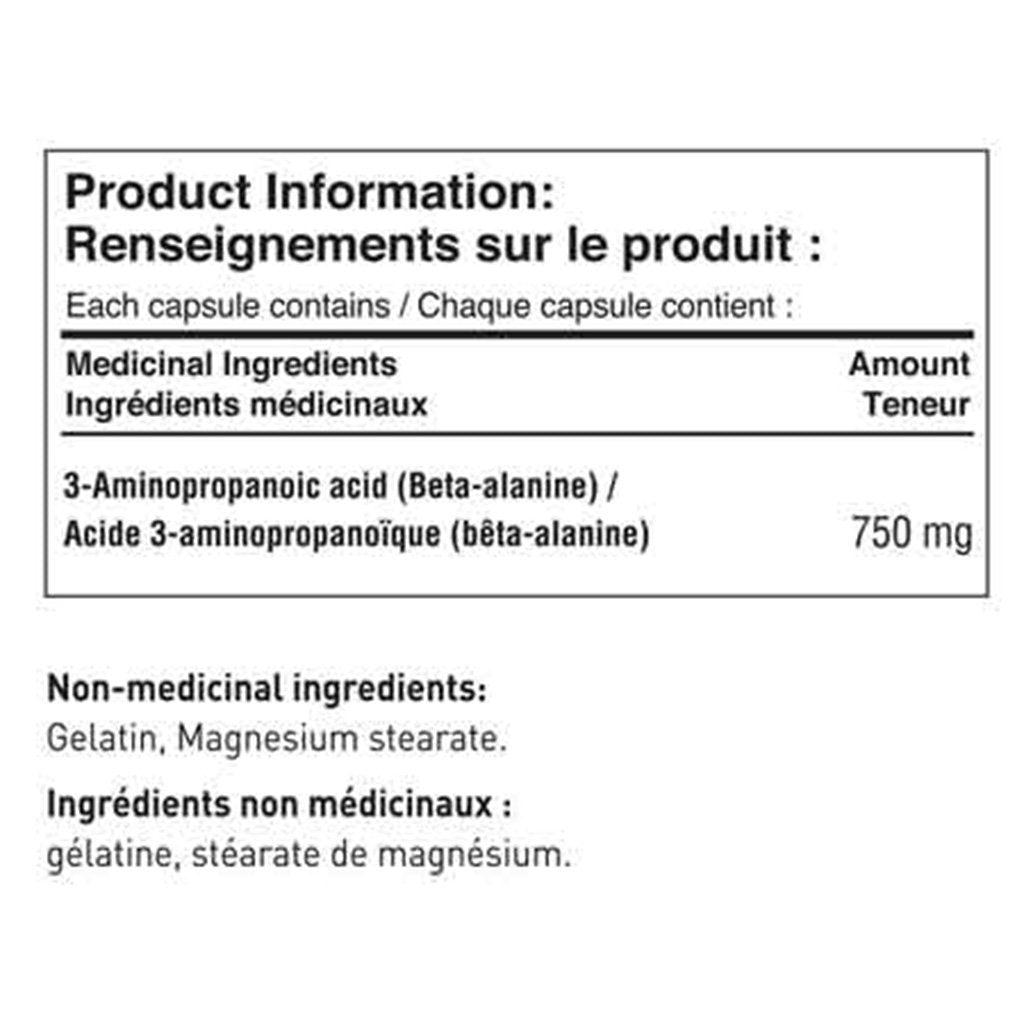
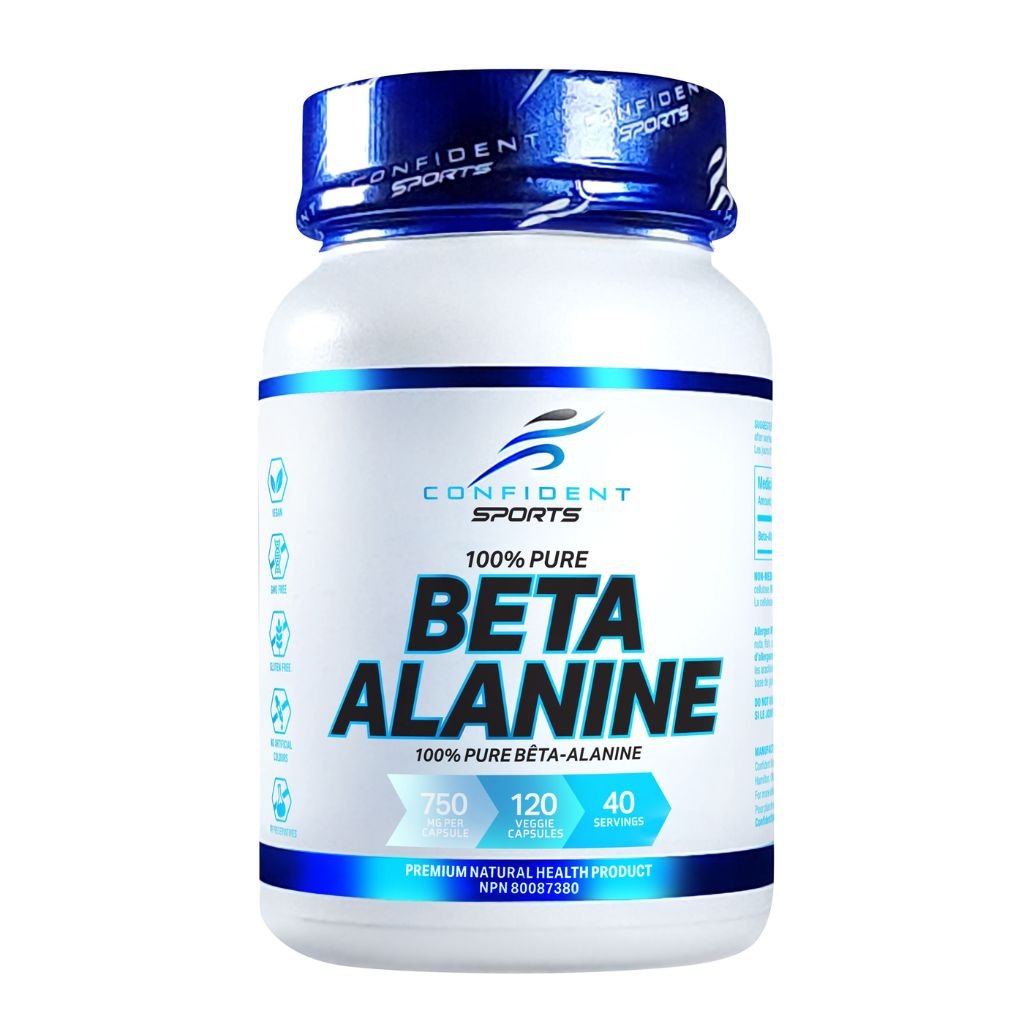
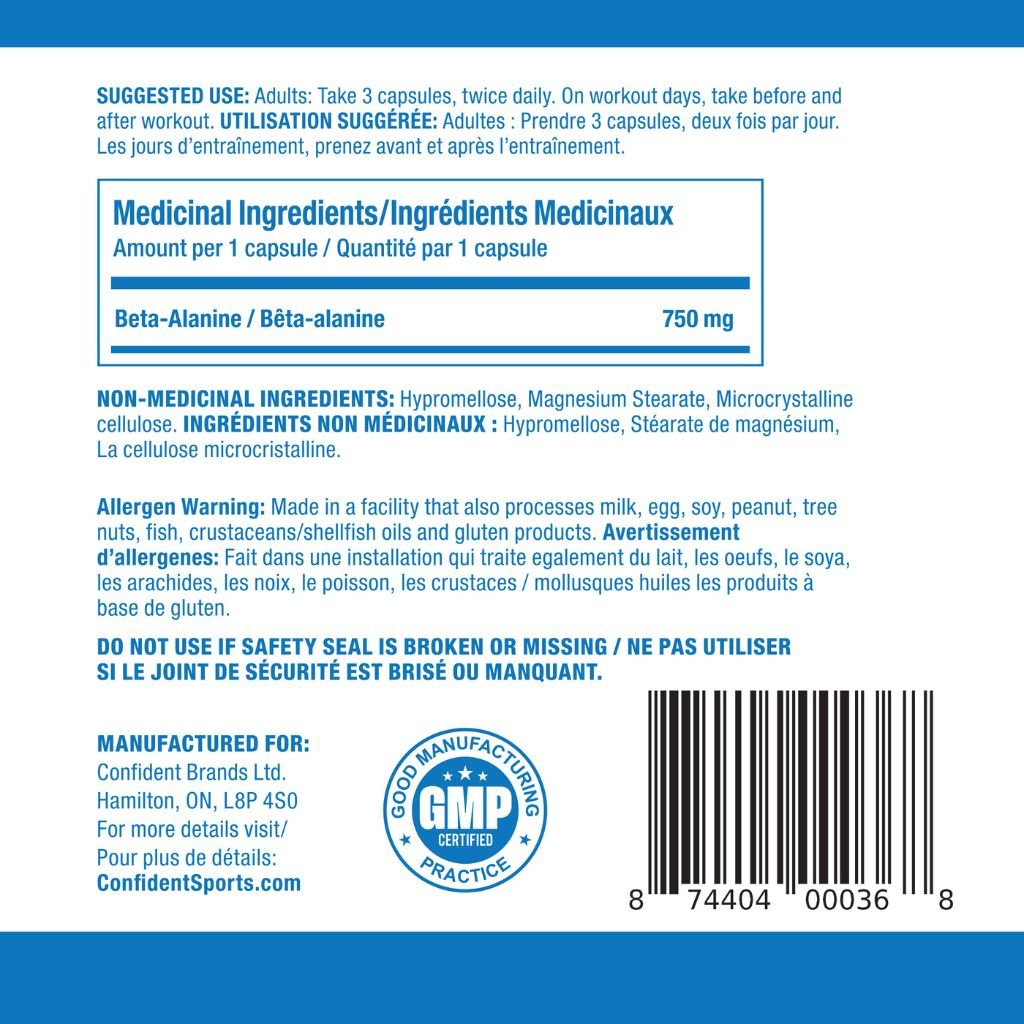
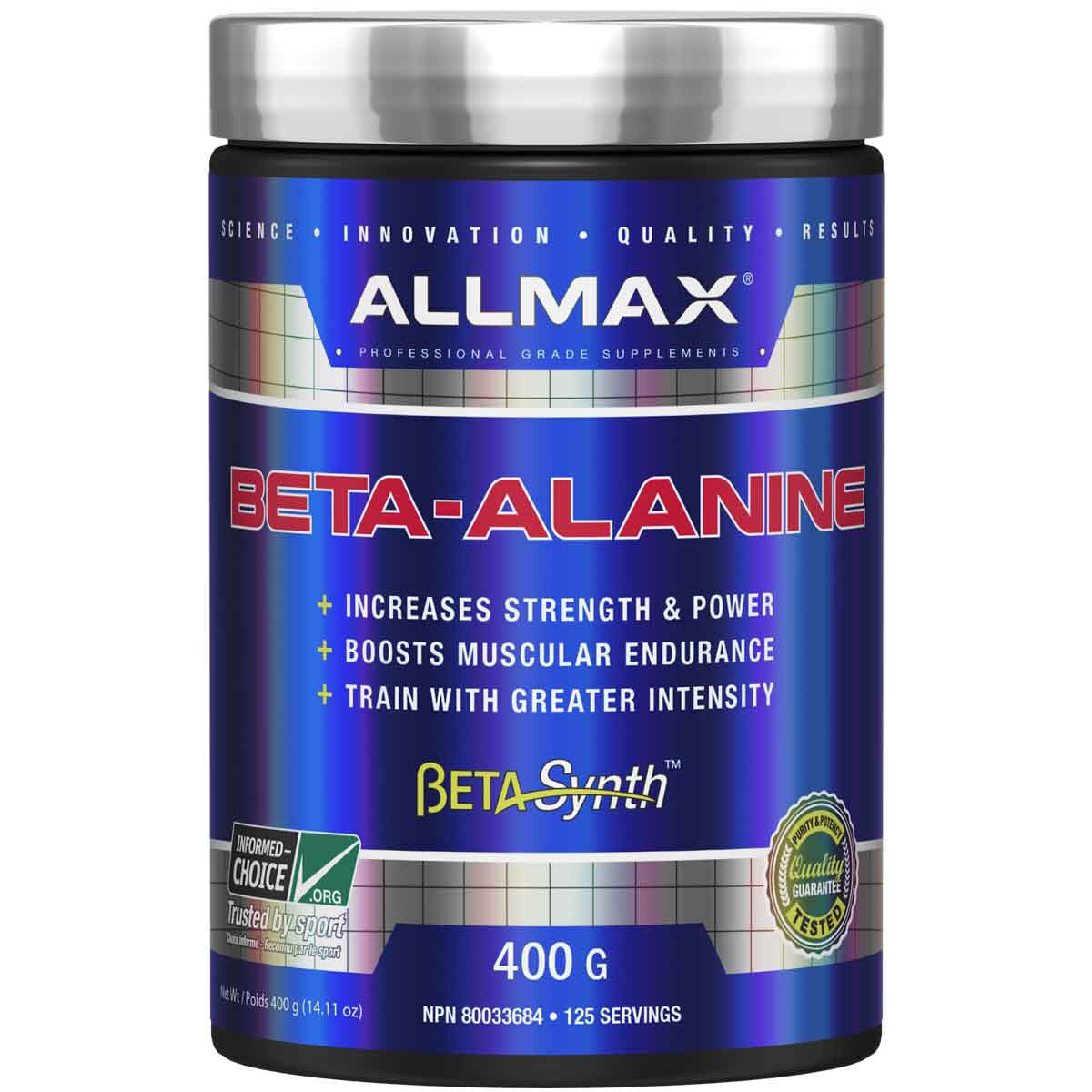
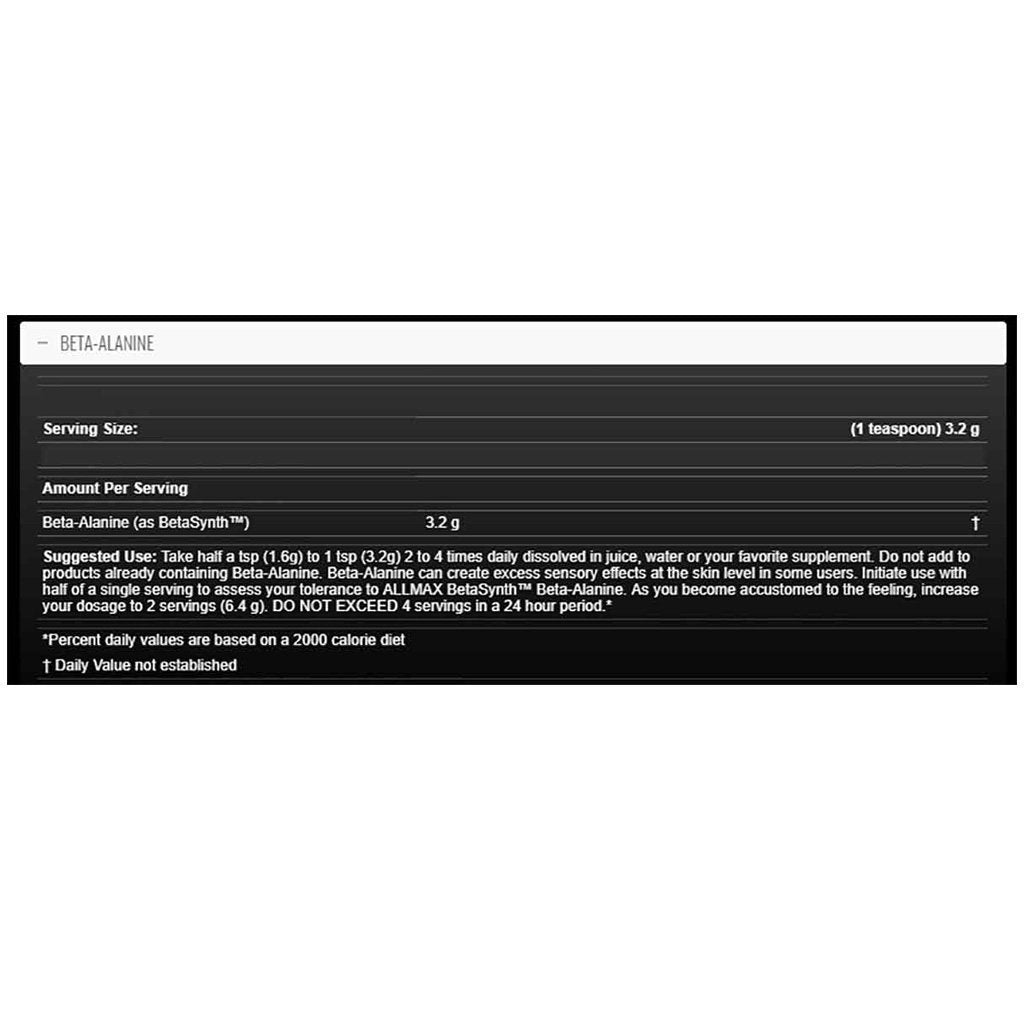
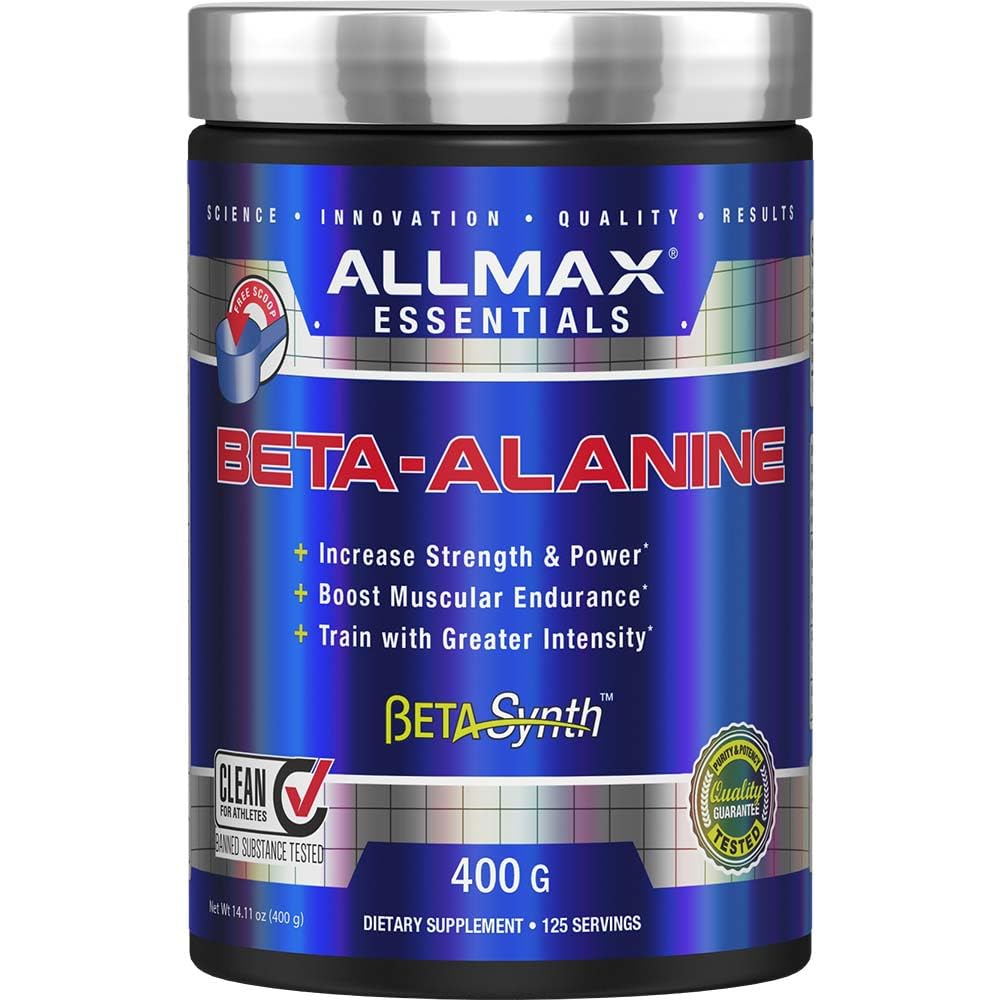
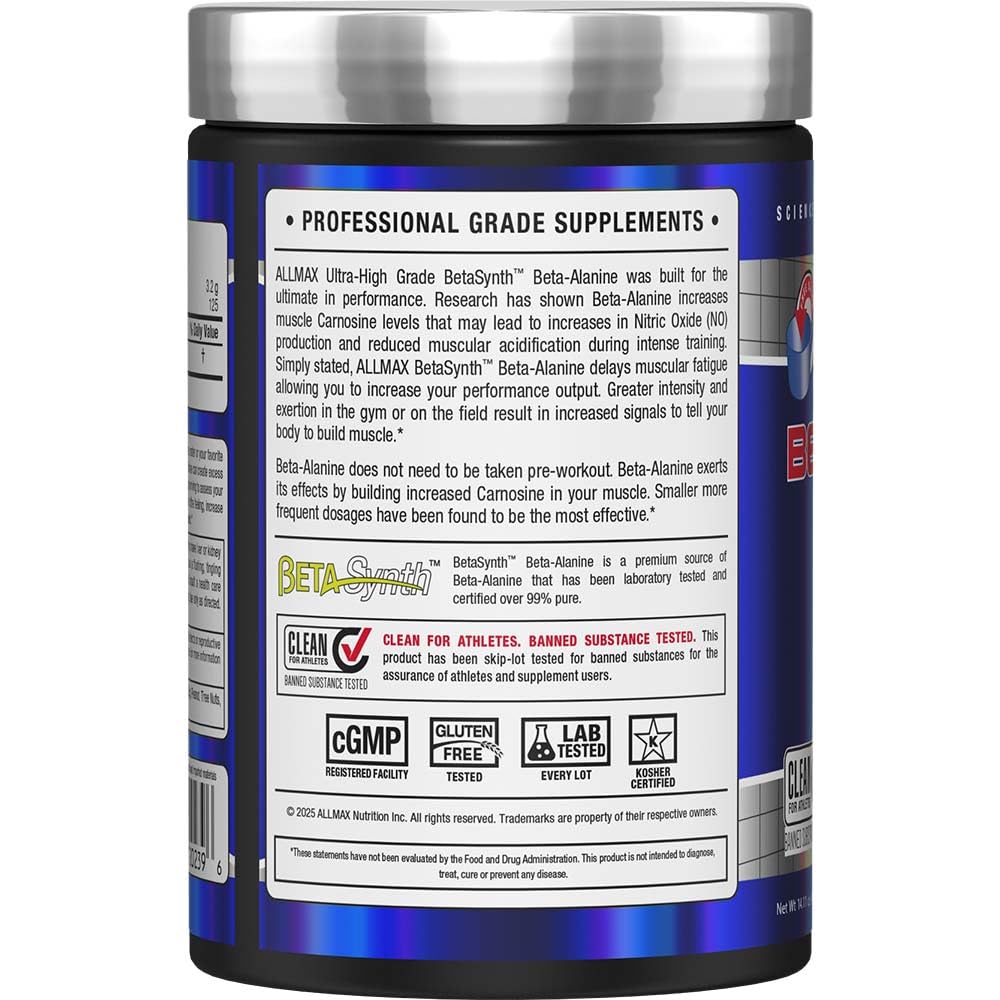
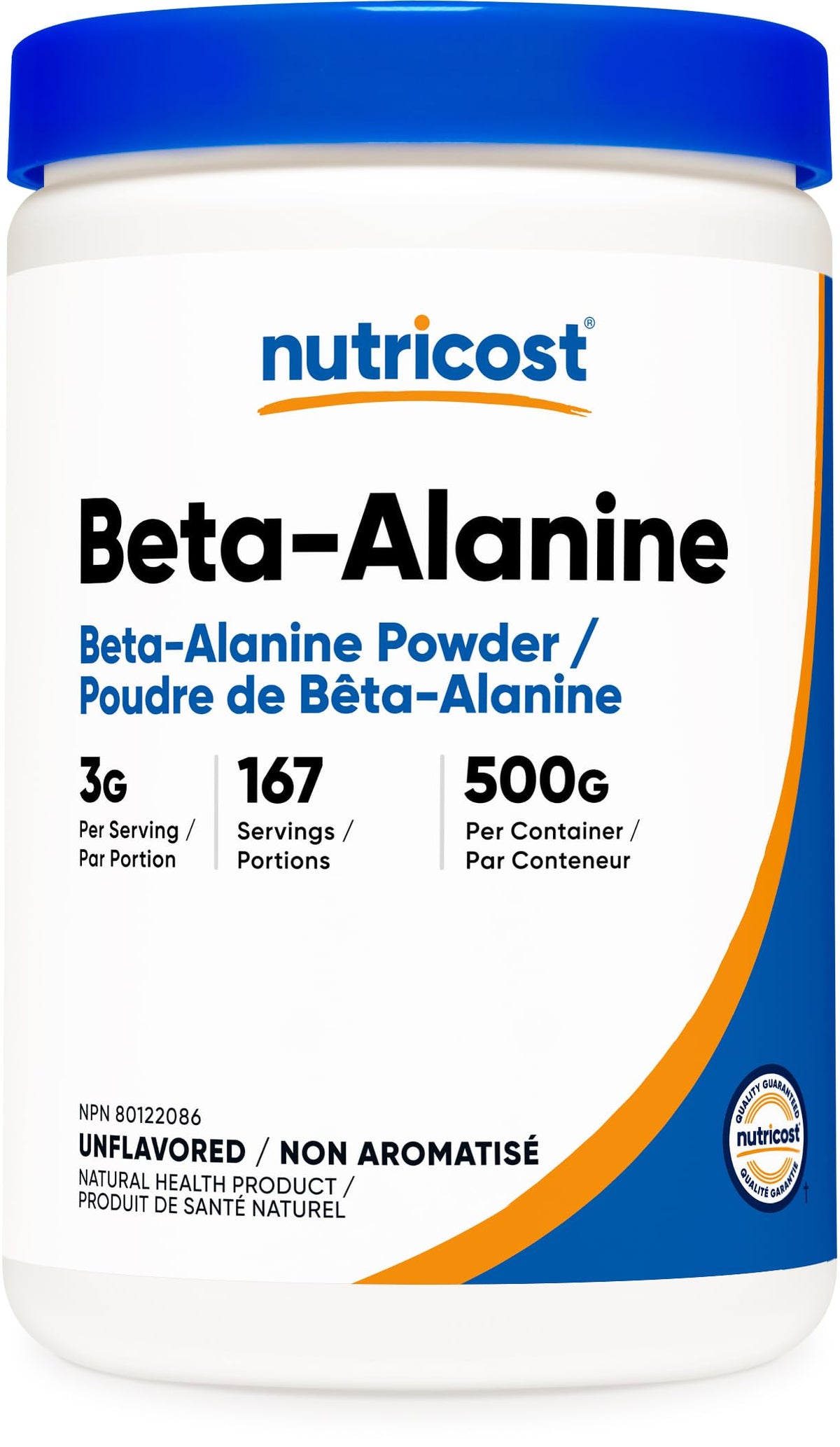


FREE STANDARD SHIPPING
Satisfied or refunded
Top-notch support
Secure payments
Encrypted checkout processing
Offers exclude prescriptions and in-store purchases.
Subscribe & Get a First-Order Reward
Plus, earning reward points on eligible online purchases and enjoy future store credit.
We respect your inbox at Coal Harbour Pharmacy - Expect thoughtfully curated health and wellness updates, timely reminders, and exclusive online savings.